
What matters operationally
The best route is usually the one that gets the van close to the entrance at the right time, not simply the one with the shortest mileage. In Sheffield, that means thinking about bus gates, one-way approaches, school-run traffic, event-day pressure and whether the destination has timed bay access or a booked lift. The timing side of that is explored further in when Sheffield moves tend to take longer.
Shorter carries and steadier arrivals nearly always beat clever but fragile shortcuts. Loading time usually outweighs driving time, so a dependable legal stop and a workable unload route can save more than a nominally quicker road. Those access constraints feed directly into how moving costs are shaped by access and time.
How to plan around restrictions
Check the route the day before and again on the morning of the move. Confirm any timed loading bays, permits, intercom codes, loading dock rules and lift bookings. If the building has a strict slot, build buffer into the journey rather than aiming to arrive exactly on time. On tighter streets, match the van to the road width and turning space. That is visible in areas such as man and van services in Ecclesall. One practical example appears in man and van services in Heeley.
Eight route-planning variables in Sheffield
Traffic timing patterns
Commuter peaks and school runs slow approaches on corridors like Ecclesall Road and Penistone Road. Aim arrivals outside these waves or approach via the ring road to stabilise timing.
Central access constraints
Bus gates, pedestrian-priority streets, and turning restrictions around The Moor and the core retail area narrow viable approaches. Pre-plot legal turns and drop points to avoid last-minute detours.
Kerbside loading conditions
Timed bays and short-stay rules create tight windows. Identify the nearest legal loading point, confirm hours, and stage items to the entrance to compress kerbside dwell time.
Building access limitations
Lift bookings, dock allocations, and concierge sign-in can stagger access. Without reservations, crews wait or carry further. Secure a slot and obtain entry details and lift keys in advance.
Route predictability and delays
Unplanned shortcuts through narrow terraces risk meeting oncoming traffic and add reversing or re-routing. Use wider feeders, verify height limits, and avoid roads with frequent temporary works.
Vehicle suitability and access
Long-wheelbase vans suit narrow side streets better than larger trucks and reduce the risk of blocked turns. Match vehicle size to street geometry and loading space at both ends.
Parking and permit constraints
Residential permit zones and controlled hours restrict daytime stopping. Arrange a visitor permit or temporary dispensation and brief neighbours where courteous space-holds are needed.
How clean-air or charge-zone rules affect moves in Sheffield
No active clean-air or charge zone currently applies in Sheffield. Central operations still hinge on timed loading bays, bus gates, and pedestrianised streets, so route planning must prioritise legal approach paths and confirmed kerbside space. Even without charges, building-managed access and short windows can extend schedules if not pre-booked and coordinated.
Practical route-planning examples
Example 1: City-centre flat with a managed lift: pre-book the lift and loading bay, approach via the ring road to avoid bus gates, and stage items at the lobby to keep dwell short.
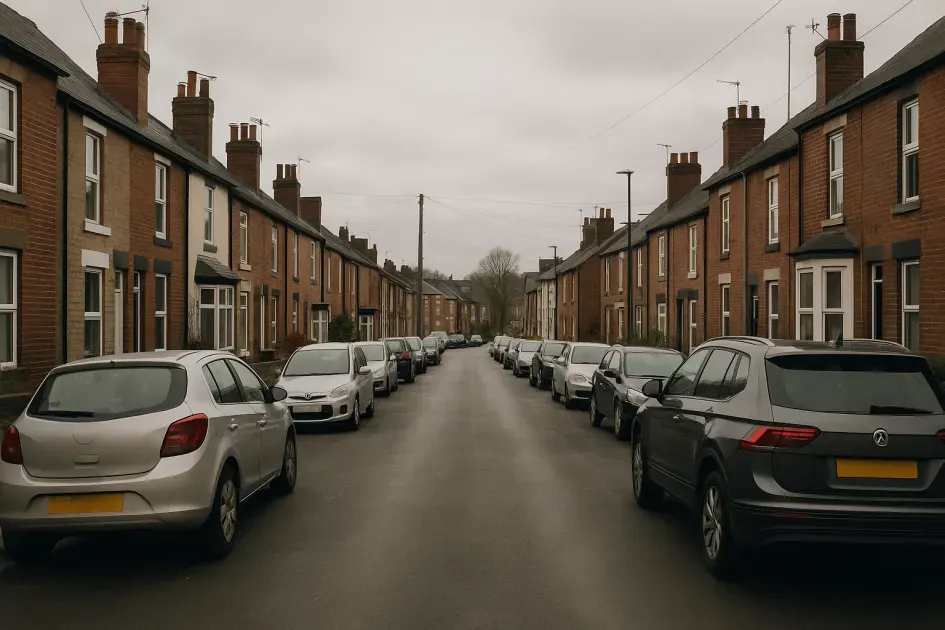
Example 2: Terrace house on a narrow street: use a long-wheelbase van rather than a larger truck, cone a legal kerbside position if permitted, and hand-carry via the shortest unobstructed path.
Example 3: Office move near pedestrianised streets: confirm timed loading bay hours, approach from a direction that avoids prohibited turns, and assign a spotter to manage trolleys across shared spaces.
Example 4: Flat near a school corridor: schedule arrival outside drop-off and pick-up peaks, use the alternative feeder road, and pre-stage small items to reduce loading time in live traffic.
Example 5: Apartment with no bay and permit parking: arrange a visitor permit, choose the closest legal stop, and rotate one person to monitor the vehicle while others shuttle with dollies.
Practical route-planning checklist
- Timed loading bay windows → Confirm hours, book a slot if required, and align arrival within the permitted dwell period.
- Bus gates and central turn bans → Plot a legal approach and a signed alternative to avoid on-the-spot rerouting.
- Permit or residential controls → Secure a visitor permit or temporary dispensation and display it before unloading.
- Building lift and dock rules → Reserve lifts/docks, collect access codes/keys, and share them with the crew lead.
- Narrow street geometry → Match vehicle size to turning space; assign a spotter for reversing and maintain a clear exit path.
Apply neighbourhood context
Street width, bay hours, and parking rules vary across Sheffield; confirm the specific approach and loading conditions for your destination neighbourhood.
We provide man and van services across the wider area, including man and van services in Dore, man and van services in Frecheville, man and van services in Fulwood, and man and van services in Grimesthorpe, with bookings managed through a centralised platform using verified local operators.