
Why demand patterns matter
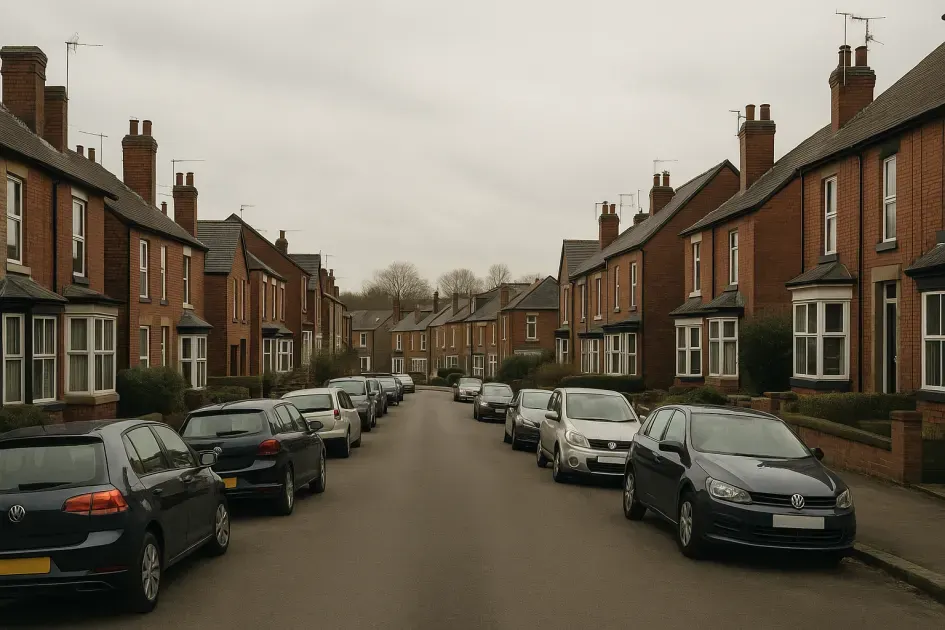
When too many moves target the same dates, flexibility disappears first. Preferred starts go quickly, managed buildings fill their lift and bay calendars, and terrace streets become harder to work because the closest spaces are already occupied. A small delay on an earlier job is also much more likely to roll into yours.
That is why timing matters even before the move begins. Midweek availability often works better not because the roads are empty, but because the whole day has more breathing room: crews can absorb access issues, find a better parking position and still stay on schedule. When demand tightens, it can change timing and pricing on Sheffield moves. A comparable pattern can be seen in man and van services in Kelham Island.
Typical Sheffield demand cycle
| Timing | Operational effect on moves |
|---|---|
| Weekends | Reduced start-time flexibility, greater kerbside competition near terraces and flats, and more route congestion from leisure traffic increase loading delays. |
| End of Month | Tenancy changeovers cluster bookings, creating tight building bay schedules and longer kerb-to-door carries when closer parking is taken. |
| Summer / Student Areas | Student turnover spikes create simultaneous check-ins/outs, queueing for lifts and stairs, and limited on-street space near halls and shared houses. |
| Midweek (Non-peak) | More flexible start windows and easier parking access reduce shuttle carries and allow smoother sequencing between addresses. |
Eight Sheffield timing drivers
1) How weekend bookings reduce start-time flexibility
Weekend demand compresses more work into fewer slots. That leaves less buffer if the first job of the day overruns or parking takes longer than planned.
2) Why end-of-month tenancy cycles cluster moves
Lease dates, key releases and check-outs tend to land together. Once that happens, loading bays and lift slots fill quickly and later jobs inherit more risk.
3) How student-area turnover creates seasonal spikes
Late summer brings concentrated activity around shared houses, halls and smaller flats. Streets get busier, stairs and lifts queue more easily and parking gaps disappear early.
4) Why school-run traffic increases scheduling risk
School-run periods do not just slow the road; they also reduce kerb availability outside nearby homes. That combination can squeeze both the approach and the loading window.
5) How commuter traffic changes route predictability
Cross-city travel becomes harder to time tightly when main corridors are inconsistent. Even a modest hold-up can matter if the destination building expects a fixed arrival slot.
6) Why building booking rules reduce available slots
Managed blocks often limit when a crew can use the bay or lift. During busy periods, those slots become more valuable and far less forgiving.
7) How narrow residential streets increase timing sensitivity
Terrace roads and permit streets can cope with one van but struggle when several moves hit the same period. The closest stopping point is often the first thing to disappear.
8) Why mixed-density neighbourhoods produce uneven demand
Areas with both flats and houses create mixed access needs, which can make the same day unpredictable. One job may need a booked lift while the next depends on finding a legal street space.
Scenario modelling
Scenario A: Midweek, mid-month flat-to-terrace move accepts a mid-morning start. Permit parking is arranged; a nearby bay frees up, reducing shuttles and smoothing sequencing.
Scenario B: Saturday terrace-to-terrace move near a school. School-run traffic and limited kerbside space add approach delays; a longer kerb-to-door carry extends loading but remains manageable with flexible timing. One place this pattern becomes visible is man and van services in Ecclesall.
Scenario C: Month-end move in a student-area block with lift booking. Multiple vans arrive together, permit bays are full, and stair/lift queues create cascading delays across the schedule.
Practical scheduling checklist
- Permit-only streets → Secure a visitor or contractor permit and identify a backup bay within short walking distance.
- Managed building with lift/bay booking → Reserve the earliest slot available and confirm move duration rules to avoid mid-load cutoffs.
- Weekend preference → Hold a secondary start window or adjacent day to absorb overruns from earlier jobs.
- Student-area address in summer → Target midweek collection/delivery and arrive before peak check-in times to reduce queueing.
- School-run corridors → Avoid arrivals near school start/finish; plan approaches via parallel routes with wider turning space.
We provide man and van services across the wider area, including man and van services in Frecheville, man and van services in Grimesthorpe, man and van services in Heeley, and man and van services in Hillsborough, with bookings managed through a centralised platform using verified local operators.