
What affects cost planning for moves in Sheffield
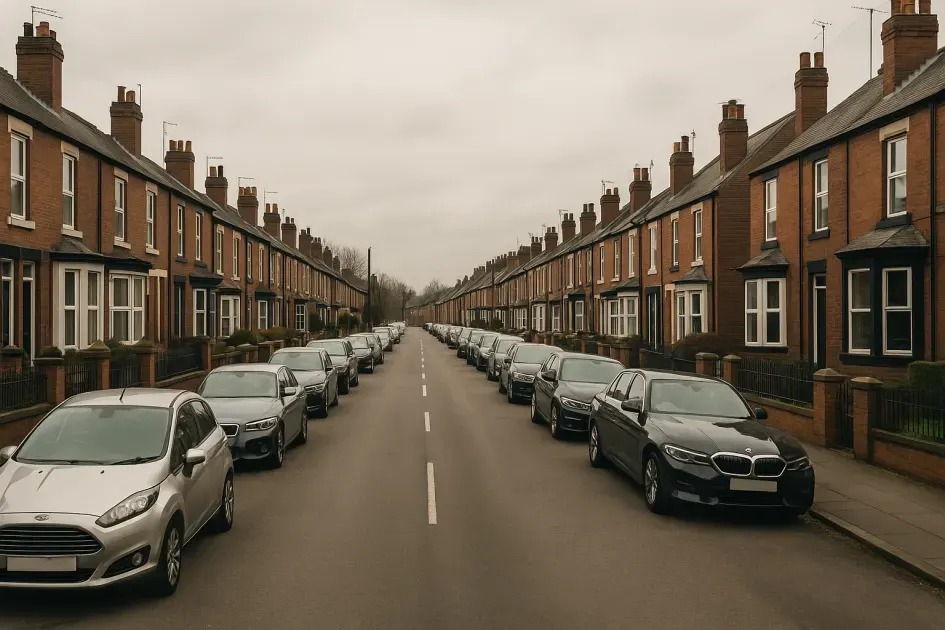
The main cost drivers are the same things that slow a crew down: long kerb-to-door carries, awkward stairs, tight corridors, restricted parking and waiting around for access. A short local move can still take longer than expected if the van is parked at the end of the road or the property needs repeated trips through a stairwell or shared entrance.
That is why practical detail matters so much. Loading time usually outweighs driving time, particularly on terrace streets, in managed apartment buildings and on roads where a larger van cannot sit close to the front door. Part of that broader picture comes from how route planning affects Sheffield moves. That pattern is also reflected in how neighbourhood layout changes moving time.
Traffic still plays a role, especially around school-run periods and busier commuter windows, but the bigger question is usually how many productive trips the crew can make each hour. Scheduling pressure becomes clearer when viewed alongside Sheffield demand patterns at different times.
What affects cost planning for moves in Sheffield
| Cost driver | What changes the time | Why it affects total cost |
|---|---|---|
| Parking access | Permit zones, no-parking kerbs, distant bays | Longer kerb-to-door carries reduce loading speed and extend labour hours. |
| Building layout | Stairs, narrow corridors, lift bookings or queues | Each item takes longer to move safely, lowering items per hour. |
| Van size / movers | Smaller van or too few crew for volume/weight | More trips and slower handling increase total time on site. |
| Route timing | School-run and commuter congestion | Arrival and turnaround windows shrink, stretching the overall schedule. |
Typical move price patterns in Sheffield
Two similar properties can produce very different totals once real access is factored in. A flat with a reserved bay and a usable lift may finish sooner than a smaller terrace move where the van is half a street away and every item goes up stairs. If you are planning a move, the clearest way to understand likely cost is to look at the handling conditions, not just the inventory.
The table below shows how duration typically grows with complexity. Longer durations increase cost because crews are billed for time on the job.
| Move type | Typical time range | What affects duration |
|---|---|---|
| Single-item or micro move | Very short session | Doorstep parking and clear routes keep handling swift; distant bays slow it. |
| Studio or small 1-bed with easy access | Short session to half-day | Lift availability and short carries allow steady loading cadence. |
| 1–2 bed flat with stairs or permit parking | Extended half-day | Stairs and long kerb-to-door carries add repeated handling delays. |
| 2–3 bed house, mixed furniture | Half-day to full day | Volume, awkward items, and street parking constraints lengthen cycles. |
| Complex apartment move with loading bay | Prolonged day | Slot-managed bays and lift queues create tight, stop-start loading windows. |
Cost examples by move type
Example 1: Small flat with doorstep parking
A studio with parking outside the entrance and clear hallways allows quick loading. Minimal carry distance and no stairs keep each item move efficient, limiting hours.
Example 2: Small flat with stairs in a terrace
Similar volume to Example 1 but with a first-floor staircase and parking a short walk away on a permit street. The longer carry and stair work slow each cycle, increasing the hours.
Example 3: 2-bed flat with lift booking
A moderate load in a managed block where the service lift must be booked. Shared lift windows and occasional waiting reduce items moved per hour, extending the schedule and cost.
Example 4: 3-bed house on a tight residential road
Larger volume with mixed furniture on a narrow street. The van may need to park slightly away from the door, and careful manoeuvring reduces loading speed, lengthening the day.
Example 5: Split-address apartment move with permit parking
Items collected from storage and an apartment, then delivered to a city-centre flat with a loading bay slot. Multi-stop routing plus timed access and lift queues create additional handling and waiting, pushing up total labour hours.
How to keep the move efficient
- Permit or controlled parking street → Arrange a visitor permit or bay suspension so the van can load near the door and cut carry time.
- Shared or small lifts → Pre-book the service lift and reserve padding/trolleys to avoid queues and protect surfaces.
- Long carry risk → Stage items near the exit (without blocking fire routes) to shorten each trip to the van.
- Stairs and tight turns → Disassemble large furniture in advance and label fixings to reduce slow manoeuvres.
- Peak traffic windows → Avoid school-run or commuter periods to keep arrival and turnaround predictable.
- Inventory clarity → Share accurate item lists, access notes, and photos so the right van size and crew are planned.
Sheffield neighbourhoods vary: terraces with permit parking, warehouse conversions with lifts, and tight residential roads each change loading distance and timing. Local streets such as those near dense housing or busy corridors can introduce narrow approaches and limited bays that lengthen handling time.
We provide man and van services across the wider area, including man and van services in Woodseats, man and van services in Beighton, man and van services in Chapeltown, and man and van services in Darnall, with bookings managed through one system coordinating bookings with pre-checked drivers.