What matters operationally
Route predictability comes from matching your inbound path to known traffic timing and kerbside rules. Peak periods on major approaches and event traffic near the centre slow approach speeds and compress loading windows. The longer the carry from bay to door, or the more restrictive the building access, the more handling time creeps in. Locking routes, loading points and building timing together is what stabilises the overall move duration.
How to plan around restrictions
Check live routes the day before and again on the morning of the move, then fix an arrival window that sits inside any bay timings. Confirm where the vehicle can legally stop, how far the carry will be and whether a lift or loading dock needs booking. Build a modest buffer for handovers or concierge sign-in. Clean-air and access rules in Newcastle are best understood as part of a wider access picture that also includes timed bays, event controls and building policies. Coordinate all three so the crew can unload without needing to reposition the vehicle halfway through. That is visible in areas such as man and van services in Ashington. Comparable route constraints also appear in man and van services in Jesmond.
Eight route-planning variables in Newcastle
Traffic timing patterns
Commuter peaks and school-run periods slow inbound legs on routes like the A1 Western Bypass, Central Motorway and crossings toward the city core. Event traffic around St James’ Park or the arena creates sharper surges that tighten loading windows and reduce flexibility.
Central access constraints
Pedestrian-priority streets, bus gates and one-way loops near Grainger Town limit approach options and may funnel vehicles into specific bays with timed windows. Miss the slot and the van may need to loop again, adding delay before unloading has even begun. One practical example appears in man and van services in Cramlington.
Kerbside loading conditions
Some bays allow loading only at certain times, while others need permits or prohibit stopping during busier hours. Longer kerb-to-door carries, common when the best bay is already occupied, quietly add handling time even when the address itself looks straightforward.
Building access limitations
Flats without lifts, managed docks needing bookings or security sign-ins all slow unloading. If the dock sits far from the lift or the lift is shared, crews may need to stage items and work in shorter batches, reducing efficiency.
Route predictability and delays
Roadworks on key spines, diversions near the Tyne and event-day closures reduce route certainty. A pre-checked main route plus a realistic alternative crossing prevents last-minute detours from consuming the buffer you built into the day.
Vehicle suitability and access
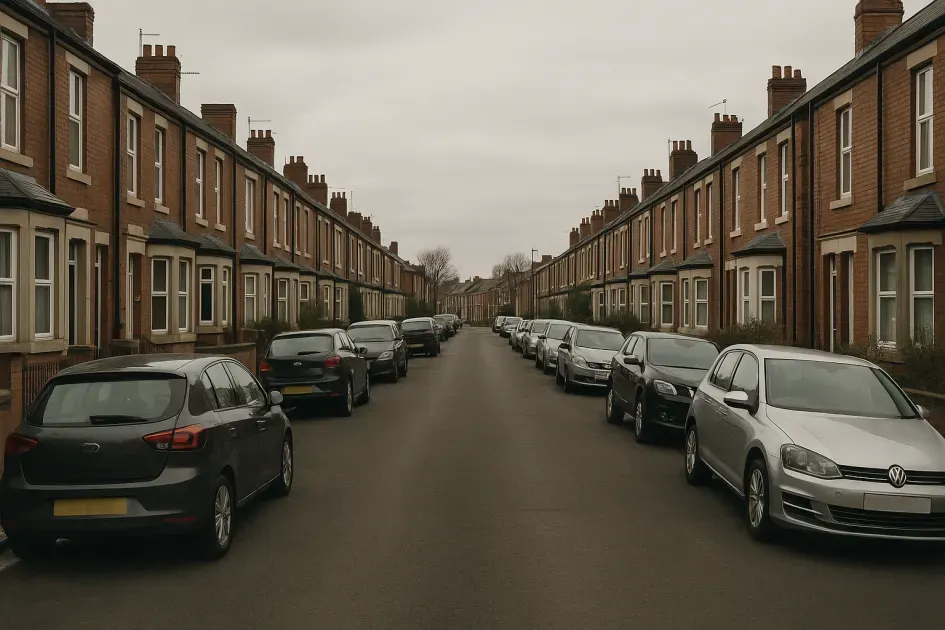
Height limits on multistorey access, narrow terraced streets and tight service alleys can exclude taller or longer vans. Choosing the smallest suitable vehicle, or planning a short shuttle from a legal stop, often preserves access better than forcing an oversized van into a poor position.
Parking and permit constraints
Resident-only zones in areas like Jesmond or Heaton may require visitor permits or temporary suspensions. Without these, the vehicle may park much farther away, increasing carry distance and adding repeated trips.
How clean-air or charge-zone rules affect moves in Newcastle
No active clean-air or charge zone currently applies in Newcastle. Central operations are still shaped by street controls such as bus gates, one-way systems, timed loading and building dock bookings. Plan routes that avoid restricted corridors during busy periods, confirm legal stopping points in advance and make sure the chosen vehicle fits any height or access limits so timing stays predictable.
Practical route-planning examples
Example 1: A terrace move in Heaton faces permit-only bays and narrow street geometry. Arrange a visitor permit or bay suspension, arrive before school-run traffic and stage items to shorten the carry.
Example 2: A flat near Grey Street relies on a timed loading bay and a one-way loop. Pre-book the bay, route inbound to enter the loop once and use a tail-lift to speed unloading inside the window.
Example 3: A Jesmond-to-city-centre move on a match day avoids roads near the stadium. An earlier arrival and a backup river-crossing route protect the unloading slot and reduce circling.
Example 4: An Ouseburn apartment with a managed dock requires lift booking and security sign-in. Reserve a dedicated lift slot, bring ID and stage trolleys at the dock to keep the queue moving.
Example 5: A house-to-house move across the Tyne meets roadworks near central bridges. Use an outer approach via the A1, then cut inward once clear of works to stabilise arrival and preserve kerbside time.
Practical route-planning checklist
- Timed loading bay limits → Confirm the exact window and align arrival so unloading starts immediately.
- Resident-only parking streets → Arrange a visitor permit or temporary suspension and position the van within the signed bays.
- One-way loops and bus gates → Map separate inbound and outbound routes to avoid last-minute detours.
- Long kerb-to-door carries → Bring trolleys and straps, and stage items near the entrance to reduce back-and-forth.
- Managed docks or lift bookings → Contact building management early, reserve slots and brief the crew on sign-in and access steps.
Apply neighbourhood context
Access, timing and parking rules vary by area, so check local bay timings, resident permit rules and building access notes before setting your final route.