What affects cost planning for moves in Newcastle
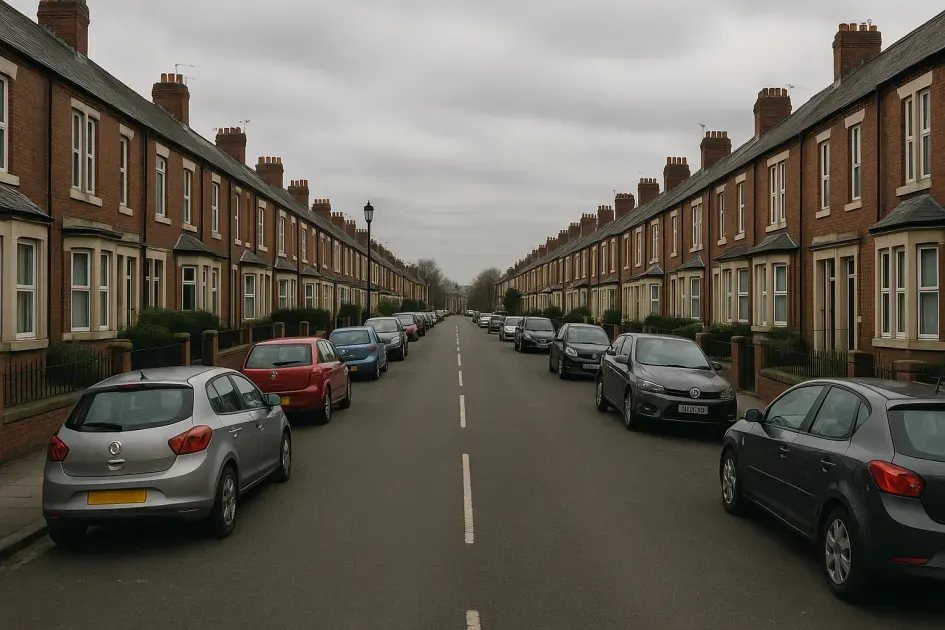
Prices rise when the job takes longer, and most of that extra time comes from handling rather than mileage. Short carries from a legal space near the entrance let crews load in larger, more efficient batches. Long kerb-to-door routes, stairs without lifts, tight hallways or loading-bay rules all slow the pace and create more handling cycles. That pattern is also reflected in how neighbourhood layout changes moving time.
Distance affects cost mainly when it changes time. A short cross-city job can still be expensive if access is awkward, while a slightly longer route may run more cleanly if parking is simple and the doorway is easy to reach. Stairs increase cost by reducing the size and speed of each carried load. Parking restrictions increase cost when crews need to circle, re-park or carry items farther than planned. Scheduling pressure becomes clearer when viewed alongside Newcastle demand patterns at different times. Similar time pressures can also appear in man and van services in Cramlington. Loading time usually outweighs driving time.
What affects cost planning for moves in Newcastle
| Cost driver | What changes the time | Why it affects total cost |
|---|---|---|
| Parking access | Permit zones, no-stopping stretches, full streets or distant bays force longer carries and occasional re-parking | More walking and waiting reduces loading speed, increasing labour hours |
| Building layout | Stairs, tight turns, long corridors and smaller lifts reduce batch size and handling speed | Each item needs more manoeuvring and more cycles, extending the schedule |
| Van size / movers | An undersized van or crew creates extra trips or slower handling of heavier pieces | The right van and team compress the work; a poor fit stretches the day |
| Route timing | School-run traffic, commuter peaks, roadworks and delivery windows extend travel or waiting time | Less predictable transit reduces productive loading time and increases total hours |
Typical move price patterns in Newcastle
Costs scale with duration because labour is time-based. Moves with direct kerbside loading and straightforward internal layouts usually complete in a shorter window. The same inventory can take much longer if parking is distant, access is stair-heavy or unloading has to fit a tight loading-bay slot.
| Move type | Typical time range | What affects duration |
|---|---|---|
| Single bulky item or a few boxes | Short window | Distance to van, floor level, lift availability and how close the van can legally stop |
| Studio or small 1-bed flat | Short to half-day | Stairs versus lift, corridor length and whether the van can park outside |
| 2-bed terrace | Half-day to long half-day | Terrace parking, narrower staircases and local traffic pressure |
| 3–4 bed house | Long half-day to full day | Volume of goods, garden paths or outbuildings, and the need for a larger van or extra mover |
| City-centre flat with managed access | Half-day to full day | Loading-bay booking, service-lift use and restricted loading windows |
Cost examples by move type
Example 1: Small flat, direct kerbside access
A few furniture pieces and boxes from a ground-floor flat with a legal space right outside. Short carries and no stairs allow fast batching to the van, keeping labour time compact and the total lower.
Example 2: Small move with permit parking and a longer carry
Similar inventory, but a permit-only street means the van parks around the corner. Each load involves a longer walk and occasional repositioning, which increases handling time and nudges up the overall cost.
Example 3: Two-bed terrace with stairs and school-run traffic
Standard furnishings across two floors. Narrow terraced stairs slow bulky items and reduce load size per trip. A later cross-city route meets school-run traffic, extending the schedule further.
Example 4: Three-bed house needing a larger van and team
Higher volume plus a long garden path. A larger van reduces trips, but heavier furniture still benefits from an extra mover. The move runs more efficiently than with the wrong crew, though the labour hours remain higher because of the volume and carry distance.
Example 5: City-centre apartment with a loading-bay slot and service lift
A managed building requires a reserved bay and timed service-lift access. Crews must stage items, wait for lift availability and work inside narrow windows, so the day is controlled more by access rules than by the short route itself.
How to keep the move efficient
- Permit or controlled parking outside your address → Arrange a visitor permit or pre-approved loading bay so the van can stop close and stay put.
- Stairs or long internal routes → Stage items near exits and dismantle bulky furniture to reduce slow manoeuvring.
- Service lift or loading-bay rules → Reserve slots early and share booking details so the crew can align arrival with the access window.
- Narrow streets or tighter turning spaces → Clear room where possible and choose a van size that fits the street without repeated repositions.
- Peak traffic on cross-town routes → Aim for mid-morning or early afternoon to avoid the worst school-run and commuter congestion.
- Loose contents or mixed item sizes → Box small items and label by room to cut double-handling and keep loading moving.
- Heavy or awkward pieces → Flag weights, dimensions and access quirks in advance so the right crew and equipment are sent.
Newcastle’s neighbourhoods vary: dense city-centre apartments often rely on loading bays and lifts, while suburban terraces and tighter residential streets can mean longer kerb-to-door carries. Local access differences change how the crew loads and how long the work takes.