Show what changed and what remains the same. An entrance never confirmed needs resolving; an accepted route that later becomes unavailable is a different circumstance to explain.
On this page
Check what the accepted job actually covered
Keep the full inventory, prepared item sizes, addresses, selected help and route instructions. Compare them with the goods and access now proposed. If a rear path was never confirmed, explain the uncertainty to support and ask its controller; do not treat the assumption as an accepted route.
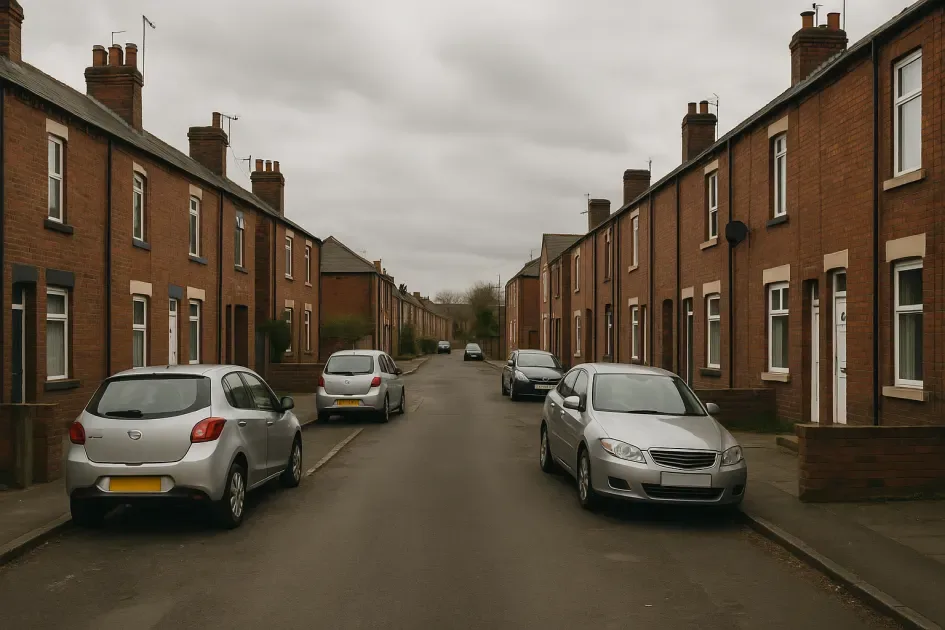
The Hirst study in the April 2024 cabinet papers describes mixed ownership and council-owned lanes within its defined area. At a relevant property, identify which permission is missing or has changed, rather than saying only that the van can no longer get behind the terrace. The study does not grant access at your address.
Describe the practical replacement work
Confirm the lawful position and authorised goods path, then show the full route from each collection point. Record any different gate, outside level, indoor flight or preparation place. Recheck the largest rigid pieces and enough carrying people, with the receiving route independently assessed.
For a relevant Hirst home, the study’s long terraces and limited surrounding amenity space make it useful to identify where remaining preparation can actually happen. A change from an accepted rear route to a front route can change working space as well as carrying. Keep the current property findings separate from proposed future street designs.
Separate a changed job from time and outside charges
Ask support to assess the job now proposed. Compare quotes for that complete job using the same goods, routes, assistance, stops, services and booked time. When looking back at the earlier agreement, record the actual differences.
Check the shown additional half-hourly rate for time beyond the allowance. Ask separately about any council, building, facility or journey charge and confirm who issues, arranges and pays it. A new optional task needs acceptance; an additional-time rate does not establish that the task is included.
Choose enough help for every item through both full carries and all agreed stops. With customer loading and unloading, arrange sufficient capable people independently; driver carrying help is excluded. Recheck anyone whose opening or carrying availability has changed.
Recheck the full arrangement through receipt
Give support seller release appointments, keyholder availability and handover deadlines, checkout requirements, street loading periods, building or facility appointments and the required receiving finish before booking. Report a later change promptly and ask what arrangement can be accepted.
Packing/unpacking, disassembly and assembly may be agreed at any declared moving stop, subject to eligible provider availability. Packing and unpacking share one selection, allowance and rate. Optional work is separate elapsed team time in 30-minute blocks at the booking rate, apart from ordinary loading and unloading. Supply materials unless otherwise agreed in writing and arrange preparation outside the booked services.
Arrange entry and check all goods and parts. Finish remaining agreed preparation before carrying the pieces that need it. Carry the goods to the vehicle and load them at every collection, allowing for travel and all agreed work at each stop. At delivery, arrange entry, unload and carry everything into agreed rooms, then place the goods and complete selected finishing.
Common questions
Do lift waits really affect the total in Ashington?
If your move uses a lift, confirm its actual availability, permission and suitability for the prepared goods. Explain any changed lift arrangement and proposed alternative to support; stairs need assessment separately. Ask about revised work, additional time and outside charges without assuming a standard lift-wait fee.
What hidden moving costs are most common in Ashington?
Check the actual job rather than assuming a common local charge. Changed goods, an unavailable entrance, remaining preparation or different help can alter the work. Keep those questions separate from the shown additional-time rate and charges issued by an outside authority or site.
Are busy local periods a hidden cost risk in Ashington?
Check current conditions relevant to your actual street, journey and date. Explain a specific access period or completion conflict to support before booking. Do not rely on an assumed Ashington quiet hour or treat a busy period as an automatic surcharge.
How do I reduce avoidable delays in Ashington?
Confirm all goods, the authorised route, remaining preparation and enough people before booking. Give support opening and completion requirements and keep the instructions current. Explain a later change promptly rather than relying on the original arrangement.
Can a long internal route push the job over estimate in Ashington?
Include the full internal route and repeated carrying for the complete goods, alongside outside stages and travel. If the route differs from the accepted details, show support the change and its effect on help and finished receipt. Clarify additional time separately.
Why does poor loading position create overruns in Ashington?
A different lawful position can change the full route between the goods and vehicle. Confirm the alternative and explain its openings, levels, preparation and assistance to support. Ask how the revised work fits the available periods rather than assuming the earlier price and schedule still apply.
Sources and further detail
Ashington moving changes. Current agreed work and actual access decisions need assessment; historical or proposed Hirst layouts do not establish a local surcharge.
Plan and price your revised Ashington move
Include your complete goods, actual permitted routes and receiving arrangements when checking the Ashington move.
Plan and price your revised Ashington move