A bed and a few boxes may be only the visible part of a small move. Include the mattress, furniture parts and selected belongings from cupboards or other agreed locations, then explain how that same load reaches the receiving flat. The price comparison needs both operations, not just the journey.
On this page
Identify the complete travelling selection
List each furniture item, mattress, packed box and loose component, marking goods that remain in the home. Check the agreed cupboards, loft or garage for belongings that are also travelling, rather than treating the room photograph as an inventory. Explain whether goods will already be brought to a safe collection point or still need collecting from their actual location.
Give outside dimensions in the condition each item will travel. A prepared bed frame, its headboard and an undismantled chair are separate shapes; include fixings and fragile features. Declare any purchase or other collection with its full address, goods and release contact.
Describe the work before the vehicle is loaded
Record the starting rooms and floor, internal stairs, landings and actual exit, then outside steps, gate turns and the full carry to the lawful position. If a drive or side route is proposed, confirm permission and usable space; explain the alternative road position if the vehicle cannot enter.
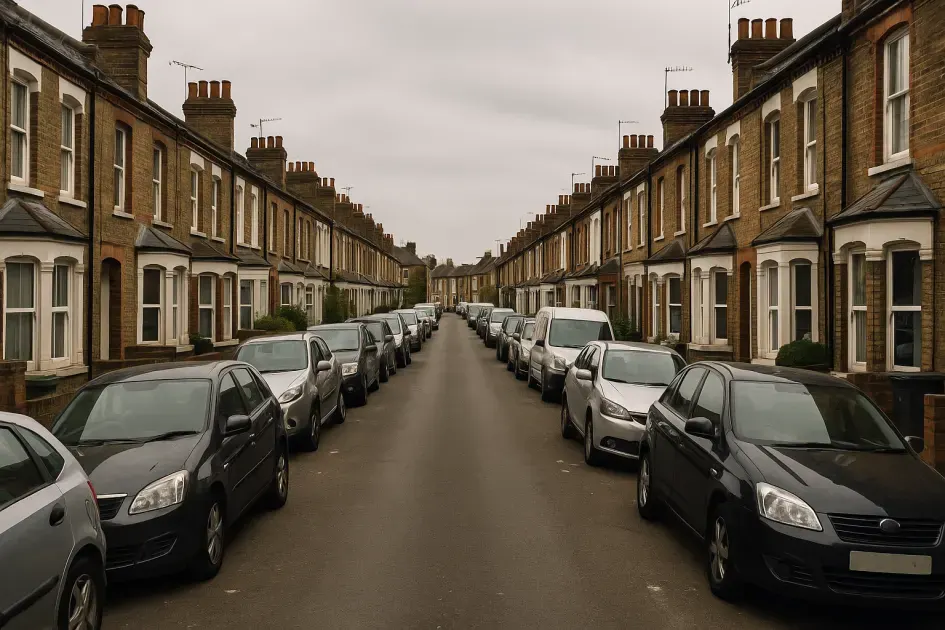
The St James townscape account describes garden boundaries in that conservation area. At your own address, record the actual opening and remaining carry instead of assuming the frontage establishes access. Use the road-or-drive position record for the permission decision.
Add delivery through the final flat door
Ask the recipient to identify the permitted furniture entrance, floor, fob or key contact and complete unloading-to-room route. Check lift doors and usable cabin dimensions, corridor turns and the flat entrance against the same travelling pieces. If an item needs another route, have that route assessed before treating it as an available solution.
Choose assistance for the whole collection and delivery. With customer loading and unloading, arrange sufficient people at both ends and relevant stops for all stairs and carries; someone who only opens the flat is a different responsibility. Supply the addresses, date, vehicle requirements, full load, selected help and booked time. A suitable vetted provider is allocated after booking according to requirements and availability.
Compare the same furniture condition and service scope
Hypothetical example: a customer moves a bed, mattress, desk and cupboard boxes from a Didsbury house to a flat. One initial description omits the headboard, fixings and boxes. The corrected brief adds them, identifies who prepares the bed and records the receiving corridor turn. The two descriptions are not the same moving job.
Compare the agreed scope and booked time, then check the shown half-hourly additional-time rate and any applicable outside parking or journey charges separately. Specify optional work and its stop rather than assuming loading help includes it. How pricing works explains those inputs; the changed-condition comparison helps with a later difference.
Keep a selection-and-two-routes quote sheet
Keep the full item and parts list, prepared dimensions, starting locations, two complete routes, selected help, optional requests and all stops together. Give seller, keyholder, clearance, building and facility limits to support before booking. Include checks, remaining preparation, carries, loading, all stops, travel, unloading and final placement in the timing discussion.
Use the lift-and-alternative-route assessment for uncertain fit and Manchester quote preparation for the wider comparison. Bring the completed brief to Didsbury man and van.
Common questions
Can I use a nearby move’s price as my quote?
Use another move only as an illustration. Your quote needs the complete selected goods and parts, actual travelling condition, addresses, date, booked time, selected help and both full routes.
Where should I check the local arrangements?
For a Manchester City Council-controlled position, use the suspension and dispensation guidance. Confirm the exact street or private controller at every address; the receiving flat may have a separate vehicle or building arrangement.
What information should I give the booking team?
Give all addresses, date, the complete inventory and prepared dimensions, chosen loading help and both full routes. Add remaining preparation, optional tasks, extra stops and seller appointments and goods-release deadlines, keyholder availability and any key-handover deadlines, building access periods, or facility access periods before booking.
Sources and further detail
Practical house-to-flat preparation and access guidance. Examples are hypothetical; historic area context does not establish current building access or permission.
Plan your Didsbury move
Share your complete load, accepted routes and fixed limits with booking support.
Didsbury man and van