Islington Property Challenges: Access, Layout and Handling Time

Property layout is one of the strongest drivers of moving-day time in Islington. Period terraces converted into multiple flats, raised entrances, narrow staircases, long communal corridors and managed-block access rules can all slow the handling cycle more than people expect.

In this borough, road distance is often secondary to internal distance. The time it takes to move items from front door to van — repeatedly — usually determines whether the move stays on plan. This guide explains the Islington property patterns that most often affect loading speed, access planning and overall duration.

For the wider city context, see man and van in London.


Common Islington access patterns that add time

Converted terraces and narrow staircases

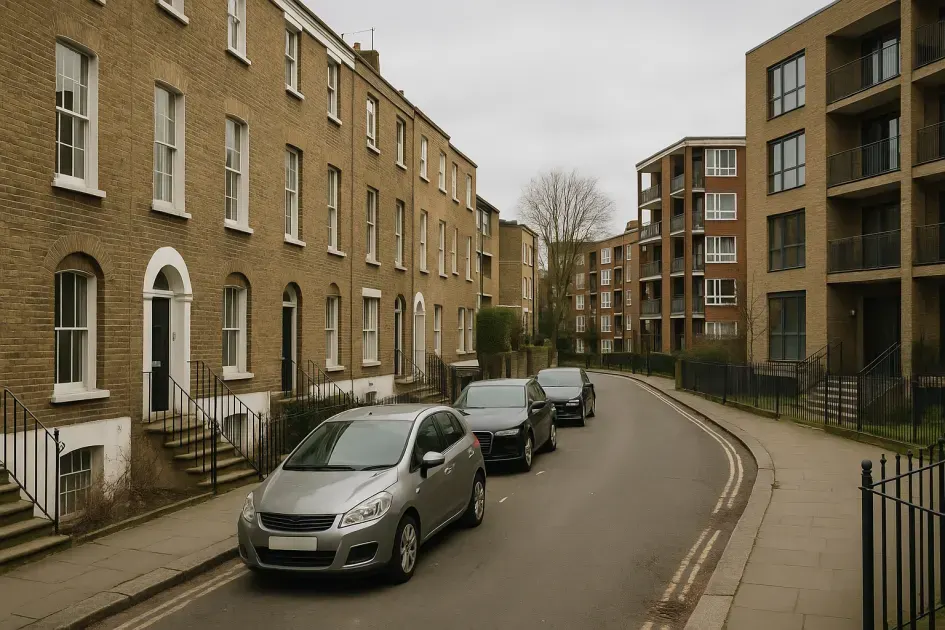
Across Highbury, Barnsbury and other residential pockets, period houses are frequently divided into multiple flats. These conversions often include tight staircases, narrow turns on landings, limited head height, and compact entrance halls. Bulky items slow dramatically when manoeuvring through these spaces.

The time cost is rarely a single obstacle. It is repeated handling: stairs up, stairs down, awkward angles, and careful rotation of furniture. Measuring large items in advance and planning disassembly where needed reduces avoidable friction.

Raised entrances and stepped access

Many Islington properties sit above street level, with steps up from the pavement or short approach paths behind railings. Even when the van is close, these vertical segments extend the carry route.

Each additional step is multiplied by the number of trips. Staging items near the exit and keeping the entrance clear protects loading rhythm.

Communal entrances and corridor distance

In mansion-style blocks and modern developments, the entrance-to-flat route often includes multiple doors, lobbies and corridors. The external carry distance may be short, but the internal distance can dominate the job.

This effect is strongest on Islington streets where the kerb position is not stable (busy corridors) or where parking density is high (residential grids), because any slowdown inside increases the risk of losing the loading position outside.

To plan kerb access in parallel with internal layout, use Islington parking permits and suspensions.

Lift availability and booking rules

In larger blocks, lift access can simplify vertical movement — but only if it is available when needed. Some buildings require booking slots, have size limits, or share lifts between multiple residents. Waiting for access interrupts the loading cycle and slows momentum.

Confirm lift size, booking windows and access procedures before moving day. Aligning the loading schedule with confirmed lift access protects the most time-sensitive part of the move.

Single-access entrances and controlled buildings

Some Islington properties have a single communal entrance serving multiple flats. If that entrance becomes congested — deliveries, resident access, or maintenance activity — the handling route slows.

Where fob access or concierge sign-in is required, build this into your schedule. Small entry delays at the start of the move often cascade into longer overruns later in the day.


What to confirm before booking

  • Floor level and whether stairs are unavoidable
  • Stair width and tight turning points on landings (especially for bulky items)
  • Door widths and any narrow hallways that restrict furniture angles
  • Corridor distance from entrance to flat and number of controlled doors
  • Lift size, lift booking rules, and whether a concierge or fob is required
  • Any time windows for moving, deliveries, or use of service entrances

How property layout influences total cost

In most Islington moves, total cost is a function of time on site. Narrow stairs, long corridors, raised entrances and lift waiting extend the handling cycle. When combined with constrained parking, these layout factors are the most common reasons moves run longer than expected.

For the direct cost impact of slower handling, see moving costs in Islington and hidden moving costs.


London-wide context for borough differences

If you are comparing how borough conditions change planning across the capital, see the London borough comparison guide.


Book a man and van in Islington

When you have confirmed your property layout and access details, start here: man and van in Islington.


Islington Property Challenges FAQs

Common questions about building layout, internal access and handling constraints that affect moves in Islington.

Many Islington period houses have been converted into multiple flats. These properties often include narrow staircases, tight turns on landings, compact entrance halls and limited manoeuvring space for bulky furniture.

The delay rarely comes from one obstacle. It comes from repeated careful handling — lifting, rotating and adjusting items on each trip. When that process is repeated dozens of times, total handling time increases significantly.

Not always. Lifts reduce vertical carrying, but availability and booking rules matter. Some buildings require reserved time slots, have size limits, or share lifts between residents.

If lift access is delayed or restricted, loading rhythm slows. Confirm lift size, booking windows and access procedures before moving day to avoid interruptions.

In most Islington moves, time on site is the primary cost driver. Narrow stairs, long corridors, raised entrances and multiple controlled doors extend the handling cycle.

Even if the road distance is short, repeated internal carry distance increases duration. Slower handling time is what most often influences the final total.

Yes. In mansion-style blocks and modern developments, the entrance-to-flat route can include lobbies, long corridors and multiple security doors. Each segment adds seconds to every trip.

When combined with tight kerb access outside, internal distance becomes a key factor in keeping the move on schedule.

Measure large furniture dimensions and compare them with stair width, landing turns, door frames and hallway clearance. Identify any points where items may need to be rotated or dismantled.

Planning disassembly in advance prevents last-minute delays and protects the first loading hour.

For the impact on total time and pricing, see moving costs in Islington. For kerb and CPZ considerations, see parking permits and suspensions.