In Islington, parking and kerb access are often the deciding factors in whether a move stays on schedule or runs long. Controlled Parking Zones (CPZs), tightly parked residential streets, short bays, and awkward stopping points all influence how quickly items can move from door to van.
In most local moves, carry distance is the hidden cost driver. If the van cannot load close to the entrance — or cannot remain in position — every trip takes longer. This page breaks down Islington parking at micro street level so you can plan with the real constraints in mind.
For the wider city context, see man and van in London.
Many Islington streets operate under Controlled Parking Zone rules that limit when non-permit vehicles can park or load. The key detail is not just whether your street is controlled, but when restrictions apply and how long you can realistically remain in position.
Align your booking with a workable loading window. Starting outside your practical window often means losing the most efficient part of the move.
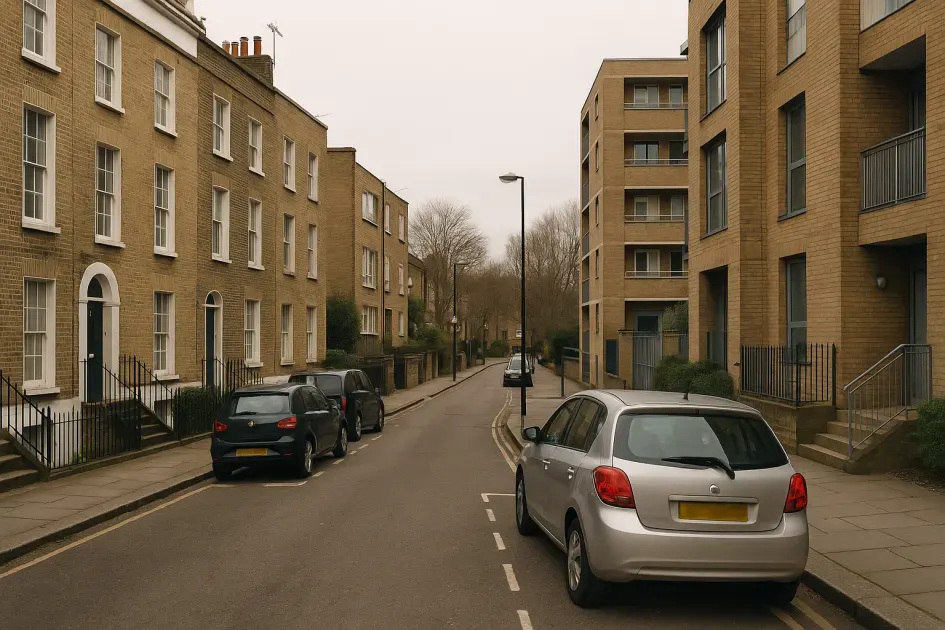
Even when stopping is permitted, physical space may be limited. Many Islington residential grids are tightly parked, meaning the van may not sit directly outside the entrance. If loading happens further away, carry distance increases and the handling cycle slows.
Corridor frontage or near main roads: Increased circulation and short stops can force repositioning. Protect the first loading hour and move heavier items early while access is most stable.
Residential grid streets (Highbury / Barnsbury-style layouts): Calmer conditions but tighter kerb density. Focus on securing the closest workable position and reducing repeated walking distance.
Set-back entrances, mews or gated access: Internal approach distance adds time even if the kerb is clear. Stage items near the exit to reduce internal carry cycles.
For how carry distance directly affects duration and cost, see moving costs in Islington and hidden moving costs.
If your move depends on a specific kerb position — especially on a tighter street — arranging a suspension or confirming permit requirements early can protect that space. Removing uncertainty reduces the risk of last-minute repositioning.
Parking and building layout interact. In Islington conversions and mansion blocks, narrow stairs and tight landings slow bulky items. In managed developments, corridor length, fob access and lift booking rules influence the handling cycle.
When internal routes are long, keeping the van close becomes even more important. Confirm entrance layout, lift size and booking rules before moving day.
See property challenges in Islington for layout patterns that commonly add time.
Having these details ready allows the move duration to be planned around real constraints rather than assumptions.
While this page focuses on parking and loading access, vehicle compliance rules can influence availability across London. For practical guidance, see the London ULEZ guide.
When you have confirmed your likely loading plan and access constraints, start here: man and van in Islington.
Common questions about planning kerbside access for a move in Islington.
Because parking access determines carry distance and loading rhythm. If the van cannot load close to the entrance, every item takes longer to move and the handling cycle slows. In Islington, tightly parked streets and Controlled Parking Zones mean the difference between loading directly outside and loading half a street away can add significant repeated walking time.
Overruns rarely come from one long carry. They come from dozens of slightly longer carries repeated across the entire move.
Start with CPZ restriction hours on your specific street and confirm whether there is a realistic place for the van to load without causing obstruction. The practical question is not “Is parking allowed?” but “Where can the van sit for the first stable hour of loading?”
Then estimate the distance from that stopping point to the entrance and consider whether stairs, gates or corridors extend the internal route further.
They can. Many Islington residential grids are calm but tightly parked. Even if traffic is light, limited kerb width can increase carry distance or restrict where the van can position.
On streets near busier corridors, repositioning risk increases. If the van cannot remain in place, loading becomes stop-start, which slows the overall move.
Yes. Parking and internal layout work together. In conversions and mansion blocks, narrow stairs and tight turns slow bulky items. In managed developments, long corridors and lift booking rules extend the handling route.
When internal routes are slow, close kerb access becomes even more important because each additional metre outside is multiplied by the internal carry time.
If your move depends on a specific kerb position — especially on a tighter street — arranging a suspension or confirming permit requirements early can protect a workable loading space.
Removing uncertainty reduces the risk of last-minute repositioning, which is one of the most common causes of avoidable delay in Islington moves.
See moving costs in Islington and hidden moving costs for a breakdown of how carry distance, stairs and interrupted loading cycles influence total time.