Hidden Moving Costs in Islington: What Causes Overruns

“Hidden costs” in Islington are usually hidden time. When loading takes longer than expected — because of kerb constraints, stairs, long internal routes, or stop-start repositioning — the move can run beyond plan.

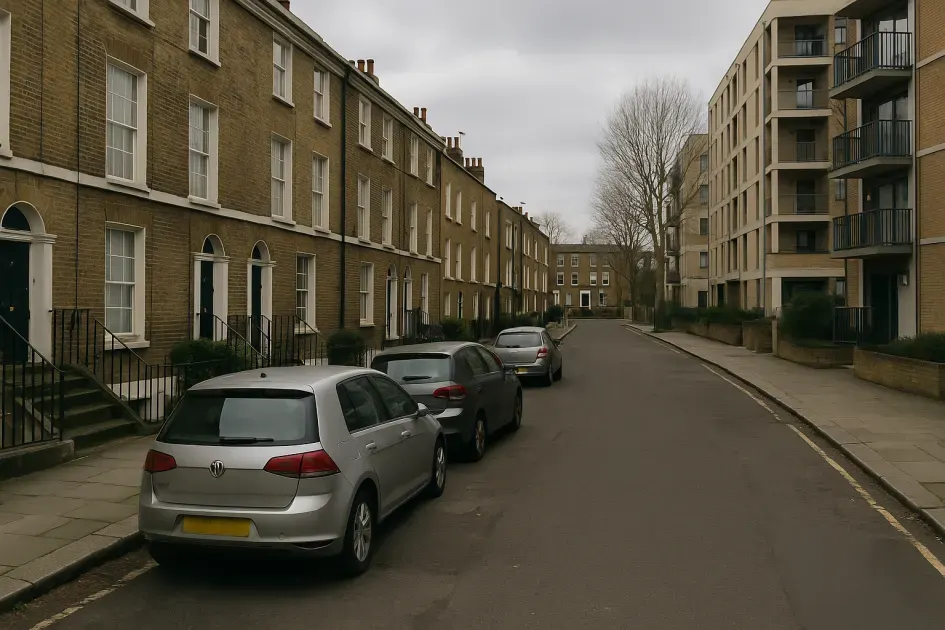
Islington is a borough where the map lies to you: two addresses can look close, but the real work is decided by where the van can stop, how far items must be carried, and how quickly you can cycle items through doors, corridors, and lifts. This guide breaks down the most common local friction points that quietly add minutes, then hours.

For the wider city context, see man and van in London.


The most common “hidden” time drivers in Islington

1) Carry distance caused by limited loading space

In Islington, the most common hidden driver is carry distance. If the van cannot load close to the entrance, every item takes longer — and those extra seconds repeat across dozens (or hundreds) of trips. A move that “should be quick” can overrun simply because the loading point is unstable or too far from the door.

This shows up most often on streets with high parking density, high turnover, or strict stopping controls. If you’re near busier corridors, mixed-use streets, or a property where the entrance is set back behind gates, steps, or a long path, the carry route becomes the job.

Micro-street examples of how carry distance happens

The pattern varies by street type: corridor-adjacent streets can force “drop-and-go” positioning or mid-move repositioning; residential grids can be calmer but still tight for kerb access; and managed blocks often add internal distance even if the van is nearby. The key risk is not one long carry — it is many medium carries repeated all day.

For practical loading access planning, see Islington parking permits and suspensions.

2) Stairs, narrow landings, and slow internal routes

The second big Islington time sink is internal handling. Period properties and conversions often include narrow staircases, tight turns on landings, and awkward furniture angles. Even when a property looks straightforward from the street, the inside route can slow the cycle dramatically.

Modern blocks can be faster in theory, but introduce their own hidden costs: lift availability, lift size limits, shared lift demand, fob access, concierge sign-in, and long corridors between the entrance and the flat. A “flat move” can become a corridor move — and corridor moves are time multipliers.

Where this shows up in Islington housing stock

Islington commonly mixes Victorian/Edwardian terraces and conversions with mansion-style blocks and newer mid-rise pockets. Conversions often add stairs and tight turns; mansion blocks and managed buildings often add doors, corridors, and controlled access steps. The hidden cost is usually not one obstacle — it is the friction chain: door, stairs, landing, corridor, lift, then repeat.

See property challenges in Islington for the layouts that most often slow moves down.

3) Repositioning and interrupted loading cycles

A hidden cost that people underestimate is repositioning. When the van cannot stay in a workable loading position, the team loses momentum: carrying stops, items wait at the door, and the job becomes stop-start. Even short interruptions add up when they happen repeatedly.

Repositioning risk increases when the street has high turnover, limited stopping tolerance, or when loading blocks access for other road users. The faster your loading cycle, the less painful a reposition becomes — but if your property also has stairs or long internal routes, interruptions hit harder.

4) Timing mismatches that turn small delays into overruns

A move can start well and still overrun if you hit a busy travel window, overlap with peak kerb pressure, or try to compress the job into a tight handover. In Islington, timing is not just “traffic” — it is street behaviour: more circulation, more short stops, more interruptions, and less tolerance for holding a position.

The simplest protection is buffer planning: allow time for keys, lift access, door release, and the first stable loading phase. If you only have one viable place to load from, your timing should prioritise keeping that loading point protected early on.

For timing guidance, see best time to move in Islington.

5) Building management rules (the “invisible queue” problem)

Managed buildings can create hidden delays through rules rather than obstacles: lift bookings, service entrances, time windows, sign-in steps, and restrictions on where items can be staged. If a building requires a specific loading approach and it is not ready when the van arrives, you can lose the most valuable part of the move: the first hour.

This is especially relevant if you are moving in or out of a block where multiple residents may be receiving deliveries or booking access on similar days. A small wait at the start often cascades into a longer overrun later, because the job loses rhythm.

6) Underestimating “small-item volume” in dense flats

Islington moves often include a high proportion of boxed items, small furniture, and household volume moving through constrained spaces. Small items feel fast, but in a flat with stairs or long corridors, they become the most repetitive part of the job. The hidden cost is the number of trips, not the weight of any one item.

If you have a lot of small items, staging becomes critical: group boxes by room, clear the carry route, and aim to keep the loading cycle continuous. The goal is to avoid “micro-pauses” — those repeated moments where the route is blocked, the door is locked, or the next batch is not ready.


A practical way to spot your biggest hidden-cost risk

Step 1: Identify your constraint type

Most Islington overruns are dominated by one primary constraint: kerb access (can the van load close?), internal handling (stairs/corridors/lift friction), or timing pressure (handover windows and peak overlap). Once you know the dominant constraint, you can plan around it instead of guessing.

Step 2: Protect the first loading hour

The first hour is where moves either stay on plan or drift. If the van arrives and you are not ready, or access is unclear, you lose the cleanest loading window and end up paying for interruption later. Prepare doors, keys, lift access (if relevant), and staging so loading starts immediately.

For a step-by-step local process (including access prep), see the complete moving guide for Islington.


London macro guidance for cost drivers

For the bigger picture of what typically changes prices across the city, see the London moving costs guide.


Book a man and van in Islington

If you want to lock in a plan and reduce overruns, start here: man and van in Islington.


Islington Hidden Costs FAQs

Common questions about overruns and avoidable delays when moving in Islington, where street access and building layouts often decide total time on site.

They are usually hidden time costs — delays that increase the total hours on site rather than adding separate line items. In Islington, the common time traps are longer carries caused by kerb constraints, stairs in conversions, long internal corridors, lift waiting, and stop-start loading cycles.

The key idea is repetition: a small delay per trip becomes a big delay once it is multiplied across dozens of carry runs.

Poor loading access. When the van cannot load close to the entrance, every item takes longer to move and the carry route becomes the job. If the loading position is unstable and the van must reposition mid-move, time loss accelerates.

This is especially common on denser streets near busier corridors, where kerb space is limited and interruptions are more frequent.

Yes. Layout friction is a major driver in Islington’s mix of terraces, conversions and managed blocks. Narrow staircases, tight landings, raised entrances, and awkward turns slow bulky items down. In flats, long corridors, multiple doors, and shared lifts can reduce the speed of each carry cycle.

If the internal route is slow, even a short travel distance can still produce an overrun because handling time dominates.

Often. In managed blocks and modern mid-rise pockets, delays can come from lift availability, lift size limits, booking rules, concierge access steps, and restricted loading routes. The “hidden” part is that these delays happen inside the building, so the move looks simple from the street but runs slow in practice.

Where possible, align your move with confirmed access arrangements and keep the first loading hour disruption-free.

Protect the loading cycle. Confirm where the van can realistically stop, stage items near the exit before arrival, and share floor level, stairs, and lift details early. If the move depends on a specific kerb position or controlled access, plan that upfront rather than improvising on the day.

Finally, build buffer around handovers and lift windows. In Islington, small start-of-move delays often cascade into longer overruns later.

See the Islington moving guide for step-by-step planning, including access prep, timing buffers, and what to confirm before moving day.