Best Time to Move in Hackney: Days, Seasons and Traffic Patterns

The best time to move in Hackney is shaped by density, Controlled Parking Zone (CPZ) hours, residential street width, and seasonal rental turnover. In areas such as London Fields, Dalston, Stoke Newington and around the Regent’s Canal, small differences in timing can significantly affect how long loading and unloading takes.

Because man and van pricing is based on the hours booked, smoother access and reduced congestion help keep the move within the planned duration. When streets are busier or access is constrained, loading cycles slow and the booked hours are used more quickly. Choosing the right day and start time reduces that risk.


Hackney’s density makes timing more important

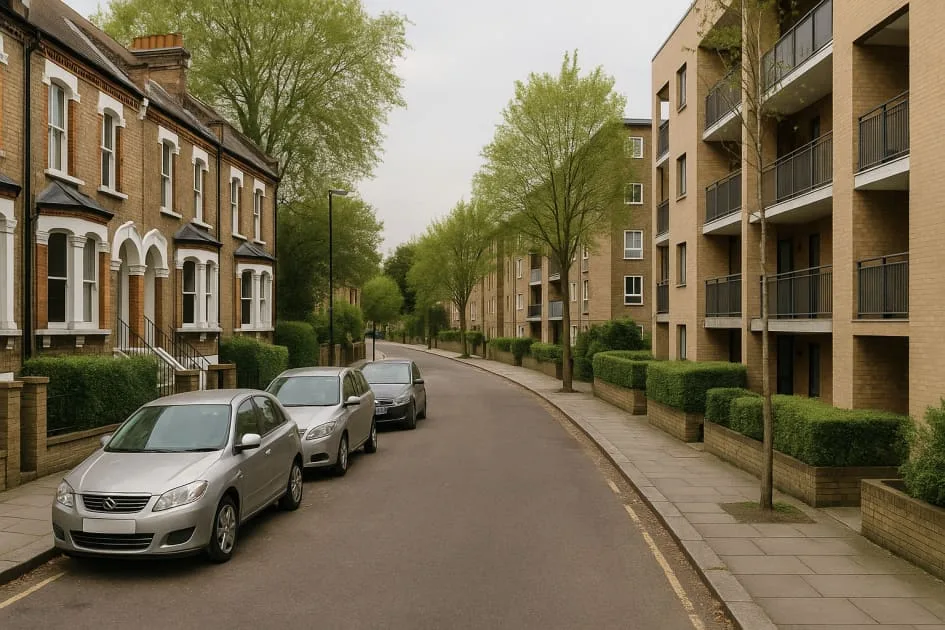
Compared with some outer London boroughs, Hackney has a higher concentration of Victorian and Edwardian terraces, flat conversions above shops, and warehouse-style apartments near the canal. Streets are often narrow, parking bays are limited, and raised entrances or tight staircases increase internal carry time.

In these environments, loading efficiency depends heavily on how easily the van can position close to the property. If kerb space is unavailable or partially blocked, even short carry distances can multiply over dozens of trips between van and door.

Timing does not change the structure of pricing. It changes how efficiently the booked hours are used.


Weekdays vs weekends in Hackney

Midweek reliability

Tuesday to Thursday are typically the most predictable moving days. Traffic patterns are steadier and residential streets often have fewer competing loading vehicles. In terrace-heavy streets around London Fields or Clapton, this can mean faster first-cycle loading.

Friday and Saturday compression

Fridays and Saturdays are frequently busier. End-of-week tenancy endings and weekend availability combine to create compressed demand. Around Broadway Market and Victoria Park, higher pedestrian activity can further reduce manoeuvring flexibility.

When multiple moves overlap in a tight street, loading queues can form. Even a 10–15 minute delay securing space may extend the overall duration.


Best time of day

Early morning advantage

Early starts often provide the most control. Positioning the van before general activity builds reduces the likelihood of repositioning mid-move. In narrow Hackney streets, avoiding repeated vehicle adjustments can save meaningful time.

Midday variability

Late morning and afternoon slots may coincide with deliveries, school runs, and higher footfall near local high streets. Communal buildings and shared lifts can introduce waiting cycles during busier periods.

Before choosing a start time, review Hackney parking permit rules to confirm loading expectations.


Seasonal demand and rental churn

Spring and summer peaks

Hackney has a high proportion of private rentals. Spring and summer months often coincide with tenancy changes, creating concentrated demand. During these periods, availability narrows and popular time slots book quickly.

End-of-month clustering

The final week of the month is consistently one of the busiest windows. When multiple properties on the same street change occupancy simultaneously, kerb competition increases.

Autumn and winter steadiness

Outside peak periods, scheduling is typically more flexible. While shorter daylight hours can influence larger moves, street-level competition is often lower.


London vs Hackney: what is different?

Across London, congestion and CPZ rules influence timing. What distinguishes Hackney is density. Compared to outer boroughs with wider suburban streets and driveways, Hackney properties more often rely entirely on kerbside access.

That difference makes timing more sensitive. In lower-density areas, minor congestion may add minutes. In Hackney’s tighter grid, similar congestion can compound into extended loading cycles.

For a capital-wide comparison of borough patterns, see the London borough comparison guide.


How timing directly affects cost

Man and van bookings are structured around a set number of hours. When loading is efficient and traffic predictable, the move is more likely to complete within those hours.

If congestion, restricted kerb access, or building delays reduce efficiency, the booked time is consumed more quickly. Additional time, if required, is charged at the same booked rate.

For borough-specific budgeting guidance, review Hackney moving costs and hidden moving costs.


Practical timing checklist

  • Prioritise Tuesday to Thursday where flexibility allows.
  • Avoid the final week of the month if seeking maximum predictability.
  • Start early where kerb access is limited.
  • Confirm lift or communal access rules in advance.
  • Allow buffer time during peak rental seasons.

Book a man and van in Hackney

Planning your move window carefully helps reduce unpredictability and keeps the move within the intended duration. Begin here: man and van in Hackney.

For a step-by-step overview of moving locally, see the Hackney moving guide.


Hackney Best Time to Move FAQs

Common questions about choosing the right moving date and time in Hackney, including weekday vs weekend demand, start times, seasonal pressure and how timing affects duration.

Often, yes. Tuesday to Thursday typically provide steadier traffic conditions and slightly less competition for kerbside space on residential streets. Fridays and Saturdays can be busier due to rental turnover and weekend demand, particularly in dense areas near London Fields and Broadway Market.

Midweek moves are generally more predictable, which helps reduce the chance of loading delays extending the booked hours.

Early morning starts usually provide the most control over access. Securing a loading position before general activity builds can reduce carry distance and avoid repositioning the van.

Later morning and afternoon moves may coincide with delivery traffic, school runs, and increased pedestrian activity, which can slow loading cycles on narrower residential streets.

Yes, indirectly. Man and van pricing is based on the hours booked. When congestion is lower and loading access is smoother, the move is more likely to complete within the planned duration.

If traffic delays, restricted kerb access or lift waiting times reduce efficiency, additional time may be required at the booked rate.

Typically, yes. Many rental agreements end at the end of the month, creating a concentration of move activity within the same few days. In terrace-heavy streets with limited kerb space, this can increase competition for loading positions and reduce scheduling flexibility.

If possible, choosing a mid-month date can improve predictability.

They can. Controlled Parking Zone restrictions determine where and when vehicles can stop. During active CPZ hours, suitable loading positions may be limited unless permits or suspensions are arranged in advance.

Reviewing local parking rules before confirming your start time helps avoid unexpected repositioning delays.

Hackney’s higher residential density and narrower street layout mean that timing can have a more noticeable effect than in lower-density outer boroughs. Properties often rely entirely on kerbside access, and small delays can compound over repeated loading trips.

Choosing a steadier window can therefore make a greater difference in Hackney than in areas with wider streets or private driveways.