What affects cost planning for moves in Leicester
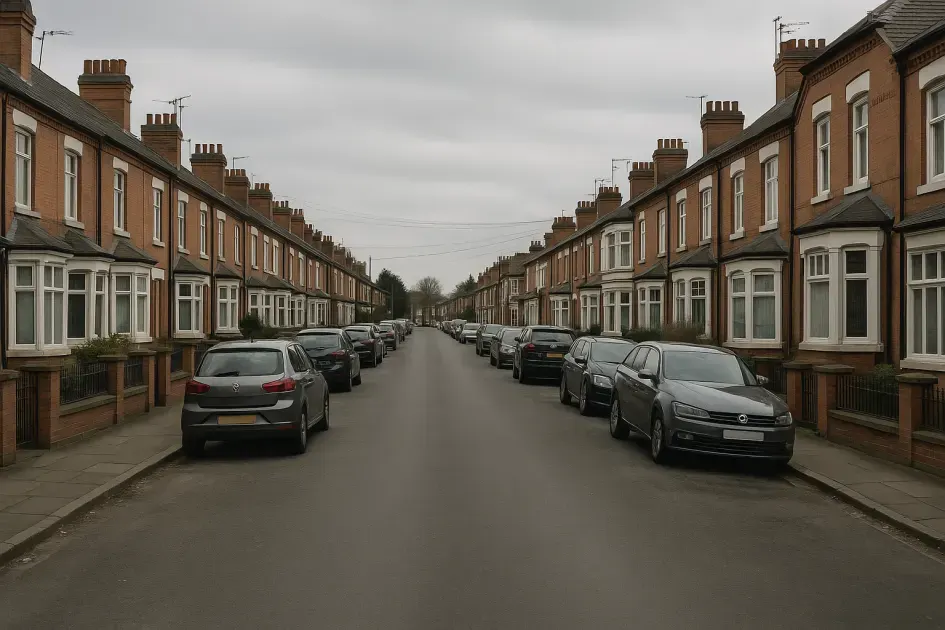
Most cost surprises come from loading and unloading, not the drive. Terrace streets with permit bays, narrow residential roads and flats with stairs or small lifts can slow each handling cycle. Even a short hop across the city can run longer than expected if the van parks far from the door or internal routes force repeated, careful trips.
Distance still matters, but mainly as travel time between addresses and during Leicester’s peak periods. Stairs add cost because they reduce the number of items moved per minute and may require extra handling for larger furniture. Parking restrictions add cost by lengthening the kerb-to-door carry and creating waiting or repositioning time. Managed buildings can add lift or loading-bay constraints that tighten windows and force workarounds. Scheduling pressure becomes clearer when viewed alongside Leicester demand patterns at different times.
Loading time usually outweighs driving time. If you are budgeting a move, this is usually what matters most.
What affects cost planning for moves in Leicester
| Cost driver | What changes the time | Why it affects total cost |
|---|---|---|
| Parking access | Permit bays, time-limited stops or no space near the door increase the walk from van to property | Longer carries lengthen each load cycle, adding labour minutes that raise the final bill |
| Building layout | Stairs, tight corridors or a small or slow lift restrict how quickly items can be moved | Reduced items-per-minute rate increases total handling time and therefore overall cost |
| Van size / movers | Too small a van or too few movers increases trips; the right mix reduces shuttling and heavy lifts per person | Correct sizing cuts total hours; mis-sizing extends loading and unloading time and labour cost |
| Route timing | School-run or commuter congestion and delivery restrictions around certain sites create delays | Slower travel or enforced waits extend the schedule beyond the load and unload time |
Typical move price patterns in Leicester
Because billing tracks labour time, moves scale with how long loading, travel and unloading take. Two similar homes can produce very different totals if one has a driveway and wide hallways while the other has permit bays, three flights of stairs and a lift queue.
| Move type | Typical time range | What affects duration |
|---|---|---|
| Room or light studio within the city | Short window when access is close | Distance to the van, how well items are boxed and corridor width |
| Studio or 1-bed flat | From a short to a half-day window | Lift availability, stairs and any carry longer than a short walk |
| 2-bed terrace house | Around most of a day | Narrow streets for van positioning, dismantling or reassembly and traffic timing |
| 3-bed home or managed apartment | Full-day window with possible overrun | Loading-bay slots, goods-lift size and the need for a larger van or extra movers |
Cost examples by move type
Example 1: Small room move with driveway at both ends
Boxes, a desk and a chair from a shared house to a flat. Driveway parking allows the van at the door, and ground-floor access keeps the carry short. Fewer trips and minimal repositioning mean a compact time window and a lower total.
Example 2: Small load with permit parking and a long carry
Similar inventory, but the pickup has permit bays and no available space near the entrance. The crew parks legally further away and shuttles items on foot. Each cycle takes longer, extending the schedule and increasing cost.
Example 3: One-bed flat without a lift
Furniture and boxes from a first- or second-floor apartment via stairs. Careful manoeuvres and more handling cycles per item slow progress. Travel is predictable, but stair work extends on-site hours and raises the total.
Example 4: Two-bed terrace to semi-detached on a narrow street
The van must reverse into a tight spot and may need a second reposition mid-load. School-run traffic compresses the usable window. Extra care with dismantling larger pieces and constrained parking increases the hours required.
Example 5: Managed block with loading-bay slot and goods lift
Access requires a booked loading-bay slot and use of a goods lift shared with other tenants. If the slot ends before unloading is complete, the van may need to move and return, or items are staged internally. Waiting for the lift and corridor distances add handling time, pushing up the total.
How to keep the move efficient
- Permit or controlled parking street → Arrange day permits or visitor codes in advance and identify the closest legal bay for the van.
- Narrow terrace or cul-de-sac → Move private cars the evening before and share approach photos so the crew knows the turning limits.
- Stairs or small lift → Bag loose items, flat-pack what you can and pre-stage boxes by floor to reduce double handling.
- Long kerb-to-door carry → Clear corridors and stack items near the exit; use sturdy boxes and trolleys where available.
- Managed building rules → Reserve the goods lift and loading bay where required, and note any time windows or contact details.
- Peak traffic windows → Aim to load before the school run or after morning peaks so travel segments stay more predictable.
- Right van and team → Share an accurate inventory and large-item notes so the van and crew are sized to reduce trips.
- Route predictability → Provide full postcodes and access notes for both ends and flag tight turns, low structures or awkward entrances.
Leicester’s neighbourhoods vary: denser terraces can mean permit bays and tight turns, while suburban streets may offer driveways but longer internal walks from garages or side access. Local context changes the labour time far more than distance alone.
We provide man and van services across the wider area, including man and van services in Wigston, with bookings managed through one system coordinating bookings with pre-checked drivers.
Plan your move in Leicester
Check the price and availability for your addresses, moving date and loading requirements. Book through Find My Man and Van; we allocate a suitable provider after booking.
Small local collection: £53.00 total — example for Leicester.
1 × small van; Customer Loading/Unloading; 5 miles, 1.5 hours, ground-floor access. Modelled for 27 October 2026. Your quote depends on your actual move details and date.
Providers covering the Leicester area

Local coverage is a guide, not a reservation of these providers. Explore local providers.