What matters operationally
Good route planning is not just about the fastest line on a map. It is about arriving at the right street, at the right time, with a legal place to stop and a clear path into the building. In Leeds, that means thinking about one-way systems, bus gates, event traffic and timed bays before the job starts. A predictable approach keeps the crew handling items instead of circling or waiting. The timing side of that is explored further in when Leeds moves tend to take longer.
How to plan around restrictions
Check both the destination street and the last few turns into it. Some of the biggest delays happen when the main route is fine but the final approach is blocked by bus gates, pedestrian priority or an awkward one-way loop. Confirm whether the property needs a loading bay, dock booking, concierge check-in or lift slot, then give the route enough buffer to hit that window cleanly. On denser central jobs, a backup bay is often worth planning in advance. Clean-air and access rules in Leeds should sit alongside practical checks for timed bays, building dock bookings, height or weight limits, and fallback streets that still allow a workable stop. One practical example appears in man and van services in Headingley.
Eight route-planning variables in Leeds
Traffic timing patterns
Commuter peaks, school-run periods and event traffic can quickly slow the roads feeding the Inner Ring Road and central districts. Arriving just outside those peaks usually protects the loading window better than trying to save a few minutes on paper.
Central access constraints
Pedestrianised streets, bus gates and one-way systems shape the final approach more than the wider journey. Missing that detail can turn a near-door stop into a long carry from the wrong side street.
Kerbside loading conditions
Timed bays and short-stay loading spots leave very little margin for delay. If the bay is missed or occupied, the van may have to loop around or work from further away, which slows everything immediately.
Building access limitations
Managed receptions, loading docks, lift bookings and height limits all influence route choice because they dictate when the vehicle has to arrive and what size can actually get in. Those details need to be matched to the road plan, not handled separately.
Route predictability and delays
Roadworks, temporary closures and event diversions reduce certainty even on familiar routes. A backup approach and a second legal stopping option usually save more time than hoping the primary plan still works on the day.
Vehicle suitability and access
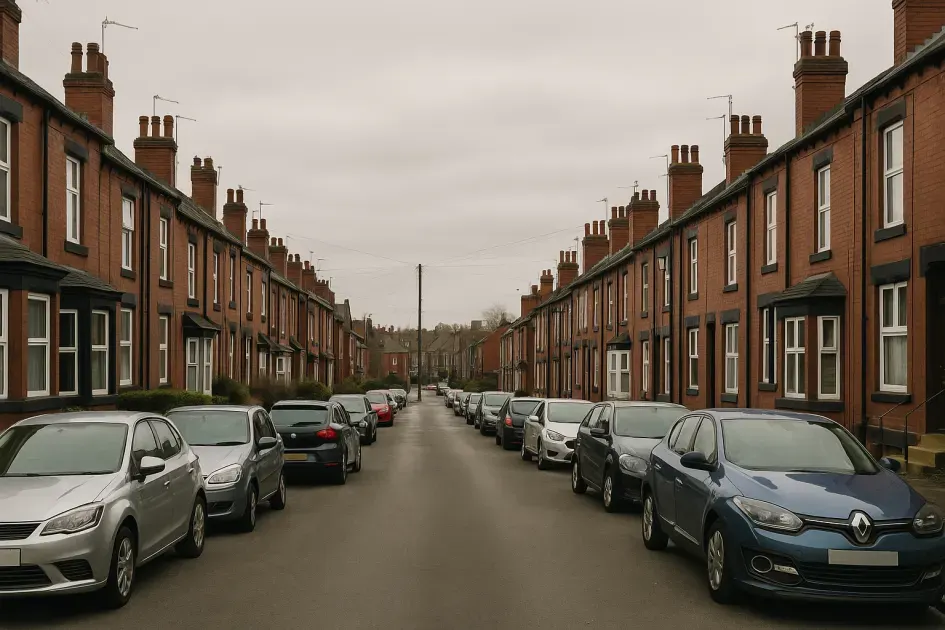
Narrow terraces, tight turns and low structures can make an oversized van a liability. Sometimes a slightly smaller vehicle is the better operational choice because it can stop closer and avoid remote unloading.
Parking and permit constraints
Resident zones, short time caps and pay-and-display rules can all interrupt the job if they are not checked in advance. The more stable the stopping position, the more efficient the loading process becomes.
How clean-air or charge-zone rules affect moves in Leeds
No active clean-air or charge zone currently applies in Leeds. In practice, the real route-planning issues are central access controls, timed loading rules and the need to reach the property with a vehicle that suits the street layout. Most route problems come from the final access decision, not the longer drive in. That is visible in areas such as man and van services in Harehills.
Practical route-planning examples
Example 1: Headingley to city-centre flat: avoid commuter peaks via the A6120 to the Inner Ring Road, pre-book building access, and target a timed loading bay to limit carry distance. Those access constraints feed directly into how moving costs are shaped by access and time.
Example 2: Harehills terrace to Roundhay house: narrow streets and resident permits mean arranging a visitor permit and reserving workable frontage where permitted, reducing kerb-to-door carry.
Example 3: Kirkstall to central office: the managed building needs a dock slot and lift key, so missing the slot would force a return loop around one-way streets and add delay.
Example 4: South Leeds to Arena Quarter on an event day: re-route to avoid closure pinch points, arrive before stewarded restrictions tighten, and use a backup bay to keep the schedule intact.
Example 5: Cross-city move using the M621: stagger departure to avoid junction queuing, confirm final parking rules, and split loads if the destination bay has a short time cap.
Practical route-planning checklist
- Timed loading bays → Photograph the sign in advance and align arrival within the stated window to avoid forced loops or enforcement delays.
- Resident permit zones → Arrange a visitor permit or day pass so the vehicle can stay within safe carry distance for the full loading period.
- One-way grids and bus gates → Map inbound and outbound legs separately to prevent last-minute U-turns that extend the route.
- Managed building access → Secure dock/concierge slots and lift access; confirm height limits so the chosen van can use the entry.
- Event traffic and roadworks → Check council and live maps the evening before and on the morning to set buffers and pick the quieter approach.
Apply neighbourhood context
Street width, parking rules and loading space vary sharply by area, so the route and stopping plan should be checked before you settle arrival times and van size.