
What matters operationally
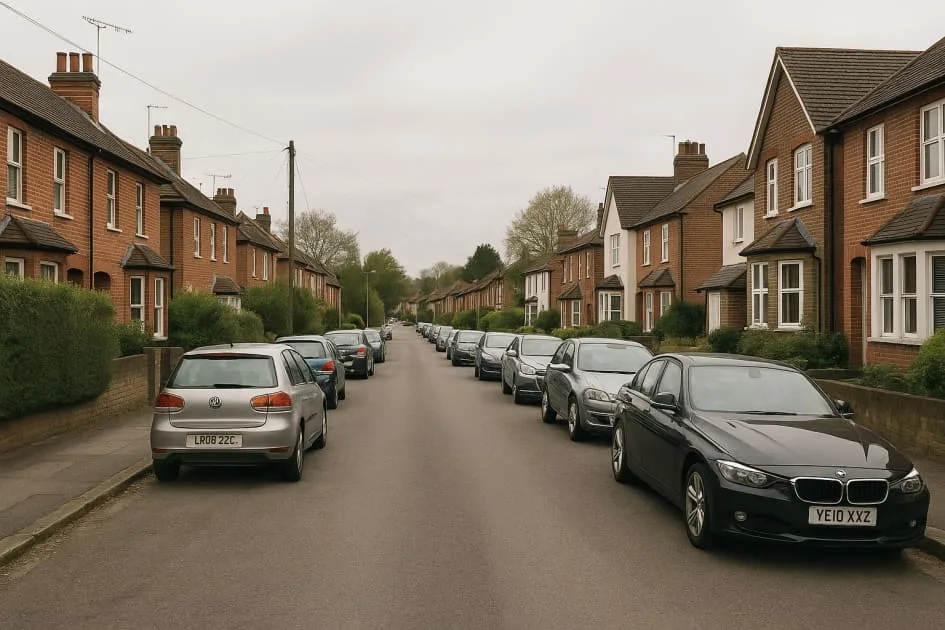
Route predictability depends on whether the van can reach a legal, close kerbside stop at the planned time. In Guildford, commuter flows, event days and the town-centre one-way system can push arrivals later, while timed bays or pedestrian-priority streets can force longer carries. Each added minute spent rerouting or walking items from a distant bay increases total loading time and reduces flexibility around key collection or lift bookings.
How to plan around restrictions
Check route timing against peak periods and known event schedules, confirm exact loading arrangements at both addresses and keep a sensible buffer to absorb short delays without missing lift or bay slots. No active clean-air or charge zone currently applies in Guildford, so the focus should stay on central access controls, timed loading bays, building procedures and realistic vehicle approach routes. Coordinate with building management for loading-bay use, lift protection and any delivery windows so crews arrive when access is actually available. That is especially visible in Guildford man and van. Comparable route constraints also appear in Guildford man and van.
Eight route-planning variables in Guildford
Traffic timing patterns
Commuter peaks and event traffic around the A3 junctions and town centre slow approaches and reduce arrival certainty. Arrive outside peaks or use signed alternatives so loading windows are met. The timing side of that is clearer in when Guildford moves tend to take longer.
Central access constraints
Pedestrian-priority streets and time-limited delivery windows near the High Street restrict when and where vans can stop. Align arrival with permitted windows or plan a nearby legal bay and a controlled carry.
Kerbside loading conditions
Short-stay or shared-use bays may be occupied or limited in duration. Pre-identify two legal stopping points and brief the driver on the preferred side of the street to minimise crossings and carry distance.
Building access limitations
Managed buildings may require loading-bay bookings, lift padding and security sign-in. Missing these windows creates idle crew time, so written confirmations and coordinated arrival matter.
Route predictability and delays
Narrow residential streets, school-run queues and temporary works create unpredictable holds. Keep a fallback route and monitor live traffic so the van can divert without missing access slots.
Vehicle suitability and access
Height limits, tight corners and weight-restricted routes can exclude larger vehicles from preferred streets. Choose a van size that fits the final approach or use a shuttle from a larger vehicle staged nearby.
Parking and permit constraints
Permit-only zones and limited-stay rules can push the van further from the entrance. Arrange visitor permits where applicable or select pay-and-display nearest the door to keep the carry short.
How clean-air or charge-zone rules affect moves in Guildford
No active clean-air or charge zone currently applies in Guildford. Operationally, central access controls, timed loading and building procedures still govern timing and vehicle choice. Confirm permitted streets and legal bays, then select a route and van size that meet those constraints to avoid last-minute rerouting and extended carries.
Practical route-planning examples
Example 1: Town-centre flat above shops. The street has a morning delivery window and short bays. Arrival is timed to the window, with a second bay identified if the first is occupied, keeping the carry controlled.
Example 2: Terrace on a permit-only street. Visitor permits are arranged via the resident and the exact bay nearest the front door is chosen, cutting kerb-to-door distance and loading time.
Example 3: New-build apartment with managed access. Loading bay and lift are pre-booked and padded. The crew times arrival to the booking, preventing idle time and avoiding missed lift slots.
Example 4: Cross-town move via the A3 on an event day. A fallback route is set in case of incidents, and arrival is scheduled before peak inflow, keeping the van within the planned loading window.
Example 5: Cottage on a narrow lane. A smaller van is chosen for the final approach, with a short shuttle from a nearby wider road if needed, avoiding blockages and long reverse manoeuvres.
Practical route-planning checklist
- Permit-only or timed bays → Secure a legal bay or visitor permit and confirm the closest viable stop to minimise carry distance.
- Managed building access → Book loading bays and lifts, get written confirmations, and align arrival with those windows.
- Unpredictable traffic on the A3 and town centre → Set a primary route plus a live-checked fallback to maintain arrival within loading times.
- Narrow streets or tight corners → Choose a vehicle size that fits the final approach or plan a short shuttle from a wider road.
- Long kerb-to-door carry risk → Stage items near the exit within building rules and bring dollies or straps to reduce trips.
Apply neighbourhood context
Local streets vary, so use nearby area knowledge to adjust arrival windows, vehicle size and loading plans for smoother moves in and around Guildford.