
What affects cost planning for moves in Guildford
Moves cost more than expected when handling takes longer than planned. In Guildford, the biggest causes are parking further from the door than hoped, long carries through corridors, and time lost to stairs or lift queues. Even short hops across town can run longer than a cross-suburb trip if one building has tighter internal routes. Scheduling pressure becomes clearer in Guildford demand patterns at different times.
Distance affects cost mainly through travel time and traffic. Short journeys across congested corridors or at school-run peaks can trap crews in queues, shrinking loading windows and pushing work later into the day.
Stairs increase cost because every item must be carried by hand, often through turns that slow larger pieces. Lift bookings help, but they can still introduce waits if the slot is shared or missed.
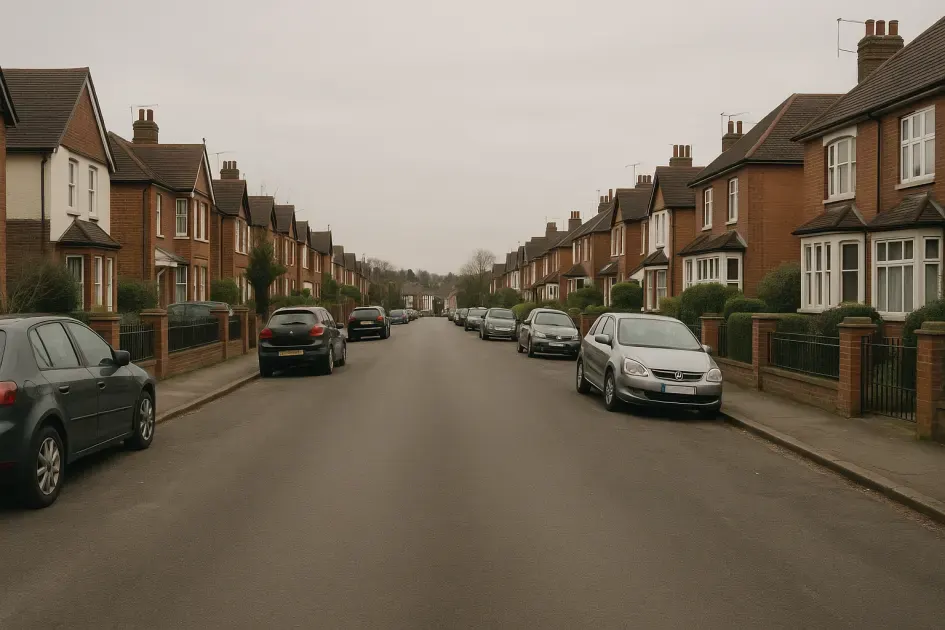
Parking restrictions matter because they change the loading distance and predictability. Permit zones, narrow streets and limited bays in central blocks can force the van to stop farther away, adding repeated walking time to every load cycle. Loading time usually outweighs driving time. It also reflects how neighbourhood layout changes moving time. One local example appears in Guildford man and van.
What affects cost planning for moves in Guildford
| Cost driver | What changes the time | Why it affects total cost |
|---|---|---|
| Parking access | Kerb-to-door distance, need to find space, bay suspensions | Longer carries and shuttling add handling minutes to every load and unload cycle |
| Building layout | Stairs, tight turns, lift availability, corridor length | Slow routes and lift waits reduce the pace of moving bulky items |
| Van size / movers | Right van capacity and crew size to match volume | Too small a van or too few hands creates more trips and longer loading cycles |
| Route timing | School-run or commuter congestion, fixed delivery windows | Traffic and timing constraints keep the crew on the clock and limit flexibility |
Typical move price patterns in Guildford
Because labour time is the main driver, longer durations increase total cost. Two similar-looking moves can diverge sharply if one address has close parking and clear routes while the other involves a distant bay, stairs or restricted loading windows.
| Move type | Typical time range | What affects duration |
|---|---|---|
| Small van / single room or a few bulky items | Short part of a day | Driveway or immediate kerb space, ground-floor access, minimal disassembly |
| Studio or compact 1-bed flat | Around half a day to most of a day | Permit parking, lift versus stairs, corridor length, packing readiness |
| 2-bed home or larger 1-bed flat | Most of a day | Volume, long carry from bay to entrance, furniture dismantling, route timing |
| 3–4 bed home | Full day to an extended day | Multiple rooms, garden items, narrow streets, school-run congestion, larger van access |
Cost examples by move type
Example 1: Ground-floor room move with driveway parking
A few bulky items moving between ground floors with a driveway at both ends. Close parking and short carries keep handling quick, limiting total hours and cost.
Example 2: Studio flat with permit parking and a long carry
A studio to a first-floor flat where the van parks in a permit zone 50 to 70 metres away. The repeated walk adds loading delay on every trip, increasing the hours required.
Example 3: 1-bed terrace to town-centre block with shared lift
Pickup from a terrace with tight turns, delivery to a central apartment with a booked lift slot. Lift sharing and narrow internal routes slow bulky items, extending the schedule.
Example 4: 3-bed suburban house during school-run peaks
Larger volume needs a bigger van and more handling. Congestion near schools reduces flexibility for arrival and departure, so loading windows tighten and the day runs longer.
Example 5: Apartment to apartment with loading bay and access rules
Both buildings require loading-bay bookings and fob access. Missing or waiting for a slot creates idle time, and long internal routes mean each load cycle is slower, pushing up labour hours.
How to keep the move efficient
Reduce avoidable delay by aligning access, layout and timing ahead of the day.
- Permit or restricted parking → Arrange visitor permits or a temporary bay suspension where available; place the van as close to the entrance as legally possible.
- Narrow streets with limited space → Coordinate with neighbours or move personal cars to create a clearer loading zone.
- Long kerb-to-door carry → Pre-stage boxes near the exit and group items by room to reduce walking back and forth.
- Stairs or booked lifts → Reserve lift slots and keep one person at the lift to reduce wait times; plan a carry chain on stairs.
- Bulky furniture or tight turns → Measure routes and dismantle large items the day before to avoid repeated attempts.
- Uncertain route timing → Avoid school-run and commuter peaks where possible to keep loading windows wider.
- Van size and crew planning → Share an accurate inventory and photos so the right van and number of movers are assigned.
- Managed buildings and loading bays → Confirm bay booking rules, maximum vehicle height and access procedures in writing.
Guildford includes dense town-centre blocks with loading bays, Victorian terraces in permit zones and suburban cul-de-sacs with driveways. Parking layout, street width and hill gradients vary by neighbourhood, so align van access to the specific address.