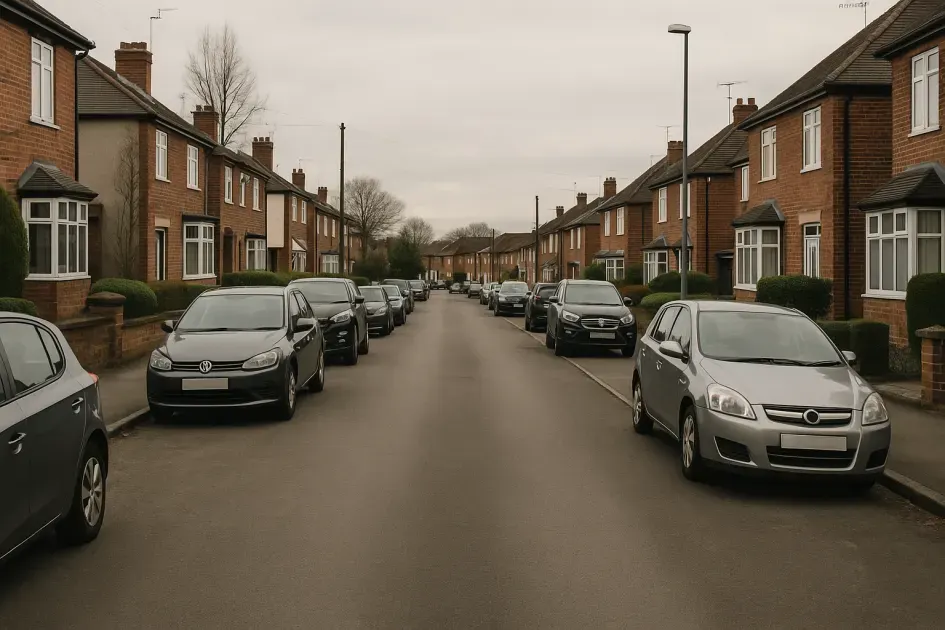
What matters operationally
Predictable routes reduce idle time and handling drag. In Derby, commuter peaks and event surges can block preferred approaches, so the chosen route must align with signed access, turning space and the specific loading window at each property. Where kerbside space is scarce, a longer carry or stair-only access increases handling cycles and extends the overall duration. The timing side of that is explored further in when Derby moves tend to take longer. That is visible in areas such as man and van services in Allestree.
How to plan around restrictions
Time the run to avoid the heaviest flows on the A52, A38 and inner-centre approaches, and verify the exact signed streets you can use to reach the loading point. Confirm loading arrangements with any building manager, including bay booking, lift slot or key-holder access, and preload trolleys at the nearest legal kerb. Build a small buffer between addresses for live-traffic detours, and nominate a legal standby point if the bay is occupied. Clean-air and access rules in Derby should be considered alongside timed bays, bus gates and pedestrian areas when sequencing your approach. One practical example appears in man and van services in Littleover. Those access constraints feed directly into how moving costs are shaped by access and time.
Eight route-planning variables in Derby
Traffic timing patterns
Morning and late-afternoon peaks slow cross-city moves on the A52, A38 and inner ring roads. School-run traffic near residential clusters adds intermittent queues, while event days around Pride Park or the city centre create sudden hold-ups and tighter loading windows.
Central access constraints
Pedestrianised streets, bus gates and rising bollards limit direct approaches in the Cathedral Quarter and nearby streets. Many addresses rely on signed delivery routes and short delivery windows; missing a window can force a longer carry from a distant legal bay.
Kerbside loading conditions
Loading-only bays, short-stay limits and busy kerbs shape how close you can stage the van. Where the nearest legal space is offset by junctions or corners, hand-carry times increase; pre-planning a trolley path and a spotter at the kerb helps maintain flow.
Building access limitations
Stairs without lifts, narrow corridors and managed loading bays create sequencing constraints. Goods-lift bookings, concierge sign-in and protective requirements can cap load rates; a continuous shuttle with the correct kit offsets these limits.
Route predictability and delays
Utility works, lane closures and temporary traffic management frequently reshape the fastest path. Low or weight-limited structures and tight turns on residential streets can force detours; confirming clearances and alternatives keeps timing more reliable.
Vehicle suitability and access
Long-wheelbase or Luton vans offer capacity but may struggle with tight cul-de-sacs, height restrictions and narrow approaches. Choosing a vehicle that can legally reach and turn near the door reduces reversing and shortens the carry.
Parking and permit constraints
Resident zones and short-stay limits can restrict dwell time for loading. Securing visitor permits, identifying pay-and-display options close to the address, and assigning a driver to stay with the vehicle prevent displacement that would extend the schedule.
How clean-air or charge-zone rules affect moves in Derby
No active clean-air or charge zone currently applies in Derby. Central moves are still shaped by loading windows, bus gates and permit controls, so timing and routing remain critical. Check signed approaches, verify building or bay bookings, and select a vehicle that fits height and width constraints to keep access predictable.
Practical route-planning examples
Example 1: Normanton terrace with permit parking. Secure visitor permits, park on the straightest section for a clean trolley path, and use a van size that can turn without blocking the junction to prevent carry-time spikes.
Example 2: Cathedral Quarter flat with a managed loading bay. Book the bay and goods lift, approach via the signed delivery route avoiding bus gates, and assign a door controller so the crew keeps a continuous load chain.
Example 3: Cross-city move during a Pride Park event. Shift departure outside peak arrival, route via the less congested approaches, and pre-select a legal standby lay-by near the destination in case the loading bay is occupied.
Example 4: Allestree cul-de-sac with limited turning space. Position the van at the mouth of the cul-de-sac to avoid multi-point turns, use dollies and a ramp to offset the longer carry, and stage items closest to the kerb.
Example 5: Ripley to Derby inbound on a busy morning. Avoid the peak A38 flow by targeting a mid-morning arrival, check live works near the ring road, and keep an alternate route ready if lane closures slow the final approach.
Practical route-planning checklist
- Timed or managed loading bays → Confirm booking windows and access route in writing; arrive within the window and keep a standby spot if the bay is taken.
- Permit-only streets → Arrange visitor permits in advance and display them for the full loading window to avoid displacement mid-load.
- Narrow approaches and tight turns → Match van size to turning space; avoid oversize vehicles that force reversing or long carries.
- Stairs or lift limits → Reserve the lift, protect surfaces, and assign a lift operator so the crew maintains a steady shuttle.
- Event-day or school-run congestion → Check calendars and live traffic, shift the start time, and pre-select an alternate legal approach to keep the schedule flexible.
Apply neighbourhood context
Access and timing differ across Derby, so check local street width, parking controls and any building rules near your pickup and drop-off addresses.