How moving conditions vary across Derby
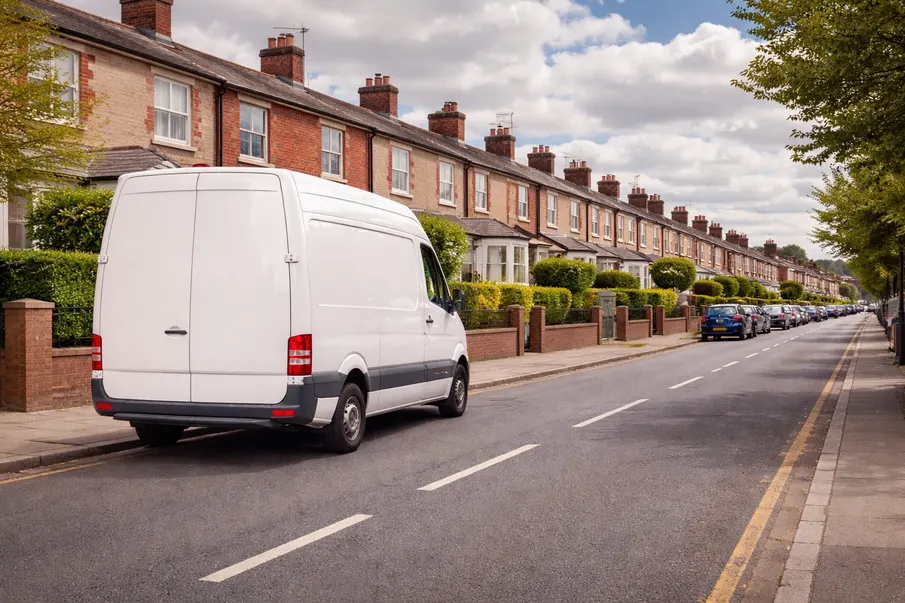
Derby mixes Victorian terraces around Normanton and Pear Tree, apartment blocks near the city centre and Castleward, and suburban semis in Allestree and Littleover. In terrace streets, narrow carriageways and resident permits often push vans away from the door, extending the carry. In city blocks, lifts and loading bays create fixed windows that can help when booked properly but slow the job if the slot is missed. Suburban streets more often offer driveways or wider kerbs, which shorten the carry and make ramp access easier. Across the ring roads, route predictability is usually better; nearer the centre, bus lanes, one-way systems and short-stay controls can add time before unloading even starts. The route-planning side is covered in Derby route and loading access planning. One clearer neighbourhood example is man and van services in Allestree. A contrasting neighbourhood pattern appears in man and van services in Ripley.
Neighbourhood access patterns
City-centre and inner-ring areas more often have controlled parking and loading bays that require short, well-timed stops. Terrace grids can be tight with parked cars on both sides, limiting door clearance and sometimes favouring a smaller van or a short shuttle from a wider road. Outer suburbs frequently provide on-plot parking and wider cul-de-sacs where a longer van can stage and turn more easily. Near major junctions on the A52 and A38, access is reliable in principle but peak queues reduce flexibility; close to schools, short bursts of traffic can compress otherwise workable loading windows. Most delays come from access constraints rather than distance.
Property and loading differences
Property type sets the carrying route. In apartments, items may travel through fobbed corridors, lifts and rear service entrances, each adding handling steps and possible waits. Victorian terraces often involve steps to the front door and longer hallways, which means more time per carry for larger items. Semi-detached homes with driveways allow direct van-to-door shuttles and staging on the drive. Where basements, loft rooms or garden outbuildings are involved, the extra internal distance and stair turns slow the cycle even when the street outside is straightforward.
How to choose the right planning approach
Match the plan to the tightest access point on the day. For narrow terraces, reserve legal kerb space or arrange a permit and consider a smaller or second shuttle van if that keeps the carry cleaner. For managed blocks, pre-book the loading bay and lift, bring any required lift covers and confirm concierge access hours. Near busy junctions or schools, choose start times outside peak flows to protect route reliability. Where the carry is long, stage items by the entrance and use dollies and ramps to maintain steady loading cycles. The pricing effect of those conditions is clearer in how these conditions affect moving costs. This helps you avoid delays on the day.
City-wide baseline: time drives outcomes
Derby’s housing is a mix of Victorian terraces, city-centre apartments and suburban semi-detached streets. Moving time rises or falls with four factors: parking availability at the door, housing density that shapes where a van can wait, building access such as stairs or lifts, and route predictability on the day. Efficient jobs minimise kerb-to-door distance, avoid timed-bay conflicts and keep travel on predictable routes. Distance matters, but loading and unloading efficiency usually drives the outcome.
Eight variables that change moving time locally
1) How permit parking delays loading
Resident-only bays around inner Derby restrict where a van can legally wait. Without a visitor permit or suspension, the van may stop farther away or circle for space. That increases kerb-to-door carry distance, adds handling cycles, and can fragment the schedule if the driver must move periodically.
2) Why terrace streets limit van positioning
Narrow terrace streets with cars on both sides reduce swing room and side-door clearance. A larger van may block traffic or sit offset from the entrance, forcing longer carries and awkward angles through gates or steps.
3) How building layout alters carrying distance
Internal routes determine handling time. Long corridors, multiple fire doors and stair turns multiply the distance each item travels. When lifts are small or absent, heavier items require more trips or extra crew to maintain a safe pace.
4) Why managed buildings introduce booking rules
City-centre blocks and newer developments often require lift and loading-bay bookings. Security checks, lift padding and time-limited slots create fixed windows. Missing a slot results in waiting, even if the van is already in place.
5) How school-run times compress loading windows
Primary and secondary schools create short, intense traffic spikes and crowded kerbs. During these peaks, approaching, parking and turning a van take longer, and streets can be temporarily blocked by parents’ cars.
6) Why route predictability changes travel time
The A52 and A38 typically provide reliable approaches, while central one-way systems, bus lanes and temporary roadworks add uncertainty. Unpredictable routing forces detours and extra turns, extending drive segments between addresses or staging points.
7) How loading bay rules affect unloading speed
Retail-adjacent apartments and managed sites may share bays with deliveries. Shared-use rules can cap stay length or require moves during specified hours. If the bay is occupied, crews must wait or use a farther spot, increasing the carry distance.
8) Why driveway or on-plot parking speeds jobs
On-plot parking in suburbs allows the van to sit close to the entrance with doors fully open and ramps set safely. Short, direct carries reduce handling fatigue and the number of trips needed for the same load.
Practical planning checklist
- If permit parking restricts kerb access, secure a visitor permit or arrange a legal bay suspension in advance.
- If terrace streets are narrow, choose a smaller van or plan a shuttle to a nearby wider road.
- If a building requires lift or bay booking, confirm the slot, access route and any protective materials needed.
- If school-run or commuter peaks affect routes, schedule outside those times or split loading and travel.
- If the carry distance is long, pre-stage items by the entrance and bring dollies and ramps.
Scenario examples
Example 1: A studio flat to a suburban semi in Littleover using a small van with one mover. Driveway access and a short carry allow continuous loading, reducing handling friction and keeping the schedule tight.
Example 2: A one-bedroom terrace move in Normanton using a medium van with two movers. Permit parking pushes the van around 25 metres from the door, increasing carry time and adding repositioning, which extends the schedule.
Example 3: A two-bedroom terrace to semi in Allestree using a medium van with two movers. Narrow street geometry and school-run congestion slow access and van positioning, adding loading delay despite a relatively short travel distance.
Example 4: A three-bedroom apartment near the city centre using a long wheelbase van with three movers. Managed loading bay and lift booking create a fixed window; any queue or overrun results in waiting, extending overall handling time.
Example 5: A four-bedroom terrace to a central apartment using a Luton van with three movers. Permit suspension is required, the carry is long, and lift scheduling limits unloading. These combined constraints create tighter timing margins and a slower overall pace.
Apply neighbourhood context
Neighbourhood planning conditions vary across Derby. Parking layouts, housing density and building access rules vary across different parts of Derby. The guides below explain the practical moving considerations for each neighbourhood. Permit parking zones near the centre, terrace street width in older districts, apartment access rules in new developments, and suburban driveway access all change the approach. All of these neighbourhood differences feed into the wider city-wide pattern covered on Derby man and van services.