What affects cost planning for moves in Derby
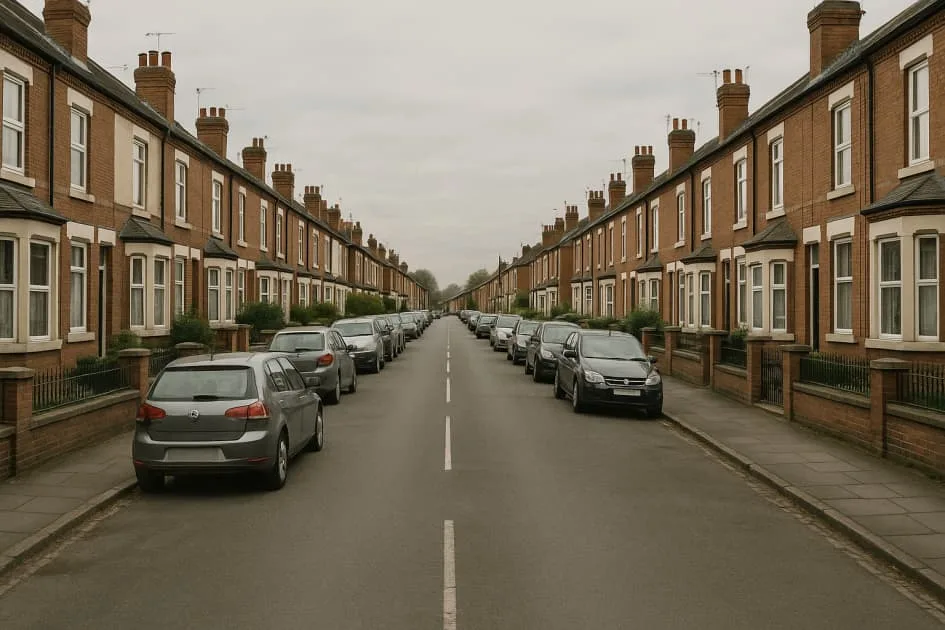
Pricing can feel higher than expected when most of the day is spent at the kerb and on the stairs rather than on the road. Parking restrictions, narrow residential streets and permit zones in terraced areas can prevent doorstep loading, creating a longer kerb-to-door carry and repeated re-parking. Each extra minute per load cycle accumulates across the whole move.
Distance influences cost by adding drive time, but short journeys can still cost more if loading and unloading take longer. Stairs, tight corridors and long internal routes extend handling time. In apartment blocks, lift reservations or loading-bay schedules create fixed windows; missed slots mean waiting. Traffic timing around school runs and commuter peaks makes drive segments less predictable and can compress or stretch the working window. Scheduling pressure becomes clearer when viewed alongside Derby demand patterns at different times. Similar time pressures can also appear in man and van services in Littleover.
Loading time usually outweighs driving time. That is why a short local move with a long carry or tight staircase can cost more than a slightly longer trip with easy driveway access and a clear route inside the property. That pattern is also reflected in how neighbourhood layout changes moving time.
What affects cost planning for moves in Derby
| Cost driver | What changes the time | Why it affects total cost |
|---|---|---|
| Parking access | Kerb-to-door distance, space availability, permit or time-limited bays, re-parking | Longer carries and parking searches add minutes to every load cycle, increasing labour hours |
| Building layout | Stairs, no lift, tight turns, long corridors, dismantling or reassembly needs | Slower handling and extra manoeuvring extend loading and unloading and push up billed time |
| Van size / movers | Capacity match, number of crew for heavy items, need for extra trips | A too-small van or too few movers causes shuttling and bottlenecks; right sizing shortens the schedule |
| Route timing | School-run peaks, roadworks, event traffic, indirect routes | Less predictable and longer drive segments add to the overall hours charged |
Typical move price patterns in Derby
Because labour time drives cost, moves scale with how long loading, travel and unloading take. A clear short carry with nearby parking usually fits a tighter window; stairs, permit bays and congestion stretch the day. Two similar homes can have very different totals when one has a driveway and lift access while the other requires long carries and re-parking.
| Move type | Typical time range | What affects duration |
|---|---|---|
| Single room or student move, easy access | Brief window | Nearby parking, few items, and ground-floor to ground-floor access keep handling quick |
| 1-bed flat with stairs or permit parking | Half-day block | Stairs, longer carries, time-limited bays and re-parking add cycles |
| 2-bed terrace, local move | Most of a day | Narrow streets, school-run traffic, and dismantling beds and wardrobes extend loading |
| 3-4 bed house across town | Full day | Larger volume, multiple bulky items, mixed access at both ends, and variable traffic |
Cost examples by move type
Example 1: Small studio move with driveway-to-driveway access
Ground-floor studio to ground-floor with clear driveways. Short carry and straightforward loading keep cycles quick, so fewer labour hours drive a lower total.
Example 2: Student room to flat with permit-only street
The origin has nearby space, but the destination requires a legal bay that may not be directly outside. The crew shuttles items farther and may re-park mid-move, adding loading delay and extending the schedule.
Example 3: 1-bed third-floor flat, no lift
Stair carries slow handling, especially for white goods and sofas. Extra restaging and careful manoeuvring add minutes per item, increasing total labour time and cost.
Example 4: 3-bed terrace to 3-bed semi in Derby suburbs
Narrow residential roads and school-run congestion reduce route predictability. Beds and wardrobes need dismantling or reassembly. These steps extend working time beyond packing alone.
Example 5: City-centre apartment with reserved loading-bay window
Building rules require a scheduled loading bay and use of a service lift. Long internal corridors and a fixed loading window create tight sequencing. Any queue for the lift or missed slot forces waiting, increasing billable hours.
How to keep the move efficient
- Permit or controlled parking outside the property → Arrange a visitor permit or pre-paid session and reserve the nearest legal space to avoid re-parking delays.
- Long kerb-to-door distance → Stage items near the exit and keep a clear corridor so shuttle runs are uninterrupted.
- Stairs or tight turns → Pre-measure large items, remove legs or doors, and group heavy pieces for team lifts to reduce manoeuvre time.
- Lift or loading-bay rules → Reserve the lift and loading bay where required and notify building management of your slot to prevent waiting.
- Peak-time traffic → Plan departure outside school-run or commuter peaks to keep the driving segment more predictable.
- Uncertain volume or special items → Share a detailed inventory and photos in advance so van size and crew are matched correctly, avoiding extra trips.
Derby’s neighbourhoods vary in parking layout, housing density and street access. Terraced zones can involve longer carries and permit checks, while suburban driveways allow faster kerb-to-door loading. Check local conditions at both ends to set realistic time windows.