
The best time to move in Ripley is usually the slot that gives the crew the cleanest access rather than the most convenient clock time on paper. Demand, street activity and loading practicality all affect how smoothly the day runs.
The best time to move in Ripley depends on local demand patterns, nearby traffic pressure and building access behaviour. This page is about timing windows that reduce friction, rather than relying on generic advice that ignores how the area actually behaves.
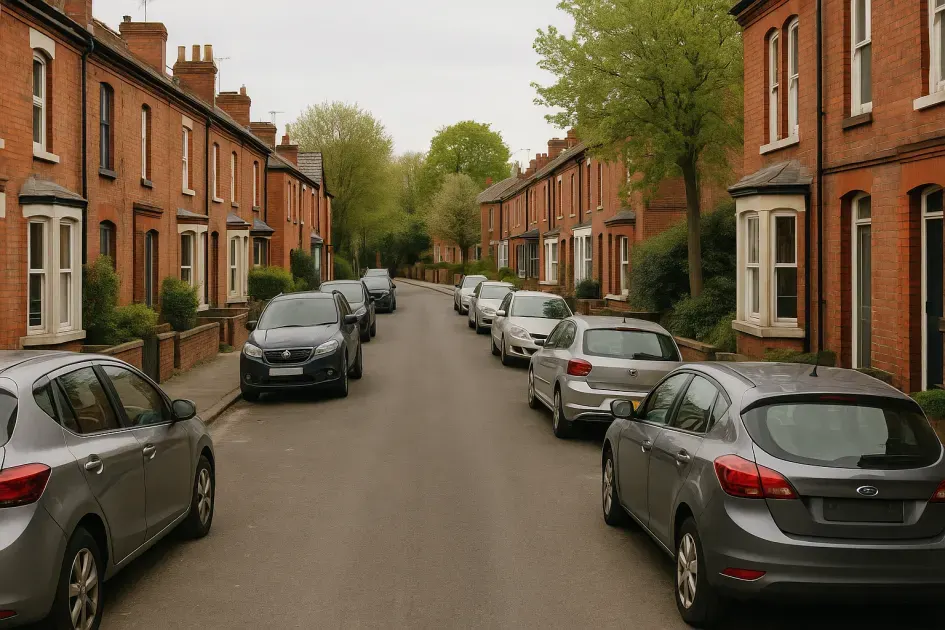
Ripley tends to be shaped by red-brick Victorian terraces around the town centre with short front paths and direct pavement access, interwar semis on sloping residential roads with driveways and side-gate garden access and post-war maisonettes and low-rise council blocks on estate roads with shared entrances. For timing, that matters because that local housing mix often brings stepped entrances on hilly streets around the centre, older residential lanes, narrow ginnels, side passages serving rear gardens on older terraced rows and variable lift access, so the best slot is usually the one that gives the crew the cleanest access window rather than just the quietest road on paper.
When timing research is done and you need the main booking page, start with man and van in Ripley and use Derby moving trends report for the broader regional picture.
This part of Derby creates its own loading rhythm. In Ripley, practical factors like disc zone, short-stay controls near the town centre limiting daytime kerbside loading and tight kerb access on older terraced streets where one van can block through movement and weekday commuter pressure shape how the day actually unfolds.
That matters whether you are arranging a studio move, a flat relocation or a larger household shift with vetted and approved drivers available through the platform. Clear planning protects time, and time is what usually protects the budget.
You will often need to consider For a more practical planning sequence, use this page alongside hidden moving costs in Ripley and property access challenges in Ripley. at the same time.
Because Ripley includes a mix of terraces, town-centre properties, edge-of-town estates and homes on sloping streets, the busiest part of the day is not always the best moving window. town-centre traffic and route changes between the centre and outer estates can make day-part timing important, and gradient, tighter older streets and uneven loading positions can affect how quickly a van can be worked can make an early or mid-morning start more useful than a later one.
In Ripley, a quieter slot often protects the whole job. Less congestion around the property means faster loading, fewer interruptions and a better chance of keeping the van close to the building.
Loading time often matters more than the drive itself, especially when a move involves repeated carries or shared access. That is why timing choices can affect both pace and overall cost.
A short urban move can feel simple until it lands in the middle of school traffic, delivery activity or peak parking pressure. By contrast, the same move may run smoothly when the street is calmer and the team can work without repeatedly re-positioning or waiting.
A straightforward job in Ripley can still slow down when building access is sequential rather than parallel. One person may be waiting at an entry point while another handles the van, or the team may need to coordinate around lift use, side-street loading or a longer internal walk from courtyard to entrance. Those are ordinary local realities, not unusual complications.
To turn timing research into a workable plan, compare hidden moving costs in Ripley and property access challenges in Ripley. After timing research, go back to local man and van in Ripley for the core service page.
Use this page to choose a sensible moving window, then use the main Ripley page when you want Find My Man and Van to coordinate the booking through one clear system.
Common questions about timing a move in Ripley to reduce friction.
Often, yes. Midweek can mean quieter access, more stable building behaviour and fewer competing demands on nearby roads.
Earlier weekday starts are often easier because they give more room to load before local pressure builds. The exact sweet spot in Ripley depends on the street pattern and building type.
As soon as the date is fixed. Late timing decisions are one of the easiest ways to invite avoidable friction into the move.
Often, yes. In areas influenced by weekday commuter pressure, weekends can mean less predictable stopping and more loading friction than people expect.
Yes. Nearby events, nightlife or major local activity can reshape how smoothly a move runs. In Ripley, timing is a logistics decision, not decorative calendar theatre.
Apartment moves should be timed around building rules as much as street conditions. Where lifts, reception desks or access permissions are involved, those rules often decide the smoothest slot.