Identify each prepared piece, its starting place and both complete routes. Agree space for preparation and collection while leaving other occupants’ access usable.
On this page
Describe the selected furniture in the form to be carried
Give prepared dimensions, reliable weight or manufacturer information where available, condition, loose components and handling concerns for each piece. Confirm which furniture is yours and what stays with the accommodation or another resident. A familiar room label does not establish the size or ownership of a bed, desk or cabinet.
Identify where agreed preparation will take place and which form will use each doorway and turn. Do not move furniture into a shared hall simply to make the bedroom look ready. Resolve unfamiliar or specialist handling requirements with support before booking rather than assuming dismantling is suitable.
Inspect the actual internal and outside stages
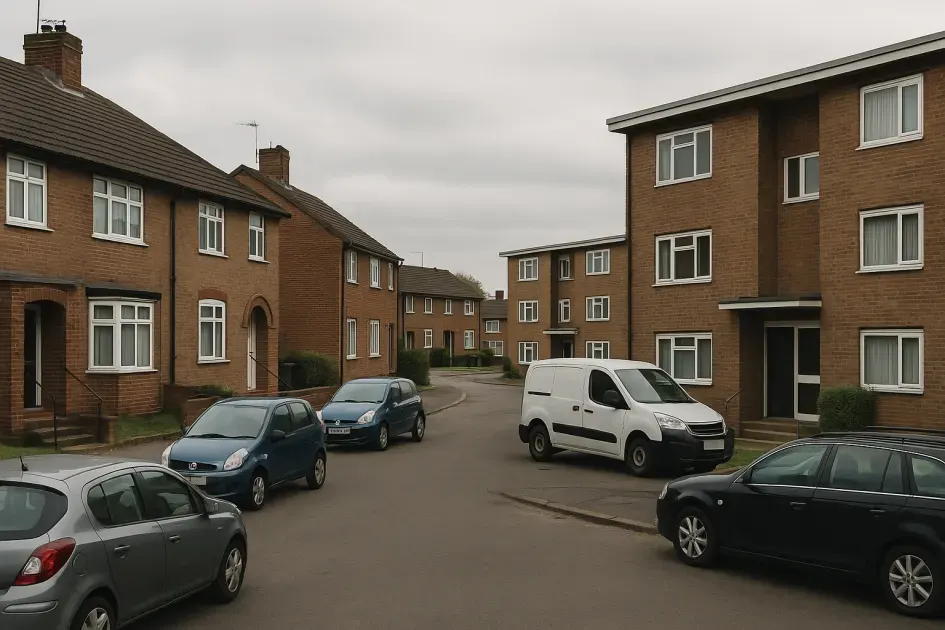
Check the room door, hallway, stair turns or a confirmed usable lift, shared entrance, outside steps, side gate and full path to a lawful van position. The historical Canley character assessment describes front and rear gardens and differing staggered layouts in its named study area; include the actual path and gate at your property rather than assuming a door-side stop.
Agree when that route can be kept usable while other occupants pack or leave. Permission and physical fit are separate: an agreed entrance period does not make an oversized prepared piece pass a tight turn. Use the loading and shared-access record to connect the outside stages with the item assessment.
Assess receiving fit and enough people independently
Trace unloading and the full receiving carry through its own doors, levels and turns into the intended room. In a hypothetical collection, your desk fits the shared-house stair, but a receiving hallway turn remains unmeasured. Put that question to support before transport rather than assuming successful departure proves completed delivery.
Choose sufficient loading help for all selected goods and both complete routes. With customer loading/unloading, the driver’s loading help is not included; arrange enough capable people at every relevant address. Do not assume another occupant’s helper or the receiving keyholder is available to carry your heaviest prepared item.
Agree preparation and connect the item record to the whole move
Packing/unpacking shares one optional selection, allowance and rate; item disassembly and assembly may also be requested at any agreed moving stop, subject to eligible provider availability and accepted work. Extras are separate from ordinary loading/unloading and use 30-minute elapsed-team-time blocks at the booking rate, not per person or duplicate travel. Supply materials unless otherwise agreed in writing, have available instructions and fixings ready, and flag specialist needs. Arrange preparation outside the agreed services before collection.
Give fixed seller, keyholder, checkout, street-loading, private-admission, building, facility and receiving-finish limits to support before booking. Include admission and full goods/parts checks, remaining preparation before dependent carries, all collection carrying/loading, stops/travel, receiving admission/unloading, full final-room carrying, placement and selected finishing. Arrival is not completion. Keep the accepted item and routes with the quote brief; report changes for reassessment of work/time and applicable outside charges, including arranger and payer.
Common questions
What property issues slow moves most in Canley?
Look at your actual goods and complete routes rather than assuming one issue is always greatest. Include stairs, turns, shared doors, outside levels and carrying distance, with admission and preparation requirements. Explain other occupants’ use where it affects the route.
Do flats change the planning more than houses in Canley?
They can introduce controlled doors, lift conditions or shared corridors, but a house can also have difficult stairs or outside access. Assess both actual properties and the selected prepared goods, including when common stages can remain usable.
Should I measure bulky items before booking in Canley?
Yes. Give prepared dimensions and relevant handling information, then check usable doors, turns, stairs and the final receiving room. State unknowns and ask support to assess uncertain fit before booking rather than leaving a new preparation decision to collection.
Can access issues affect the price in Canley?
A changed route or preparation need can change work, help or time. Give support the original and revised facts and use the same updated job for equivalent quotes. Check the shown additional half-hourly rate and any outside-charge arranger and payer separately.
What is the best way to reduce property friction in Canley?
Confirm the selected goods, accepted prepared forms, both routes and enough help. Agree preparation and collection arrangements that keep shared access usable; do not stage large items in a common passage without permission. Give fixed limits and unresolved fit to support before booking.
Do outside steps and side paths matter on small moves in Canley?
Yes. Include them between the actual goods door and lawful van position, with gates, surfaces and repeated carrying for the whole load. Assess the receiving outside route independently and choose sufficient people for the complete combination.
Sources and further detail
Prepared-piece and complete-route assessment for a selected shared-house load. Historical Canley layout observations are bounded; the receiving-desk example is hypothetical.
Bring your Canley furniture and routes together
Use the accepted prepared pieces and both full carries when arranging transport.
Plan your Canley furniture move