What matters operationally
Route predictability comes from aligning timing with expected traffic flow and securing loading access as close to the door as possible. In Cambridge’s centre, one-way systems, bus-only gates and narrower streets can funnel vans into longer approaches, so the final stop may be on a different street from the address itself. Each extra metre of carry adds handling time, especially in buildings with stairs or smaller lifts. Locking in a legal loading point and a clear building path, with lifts booked, doorways clear and building staff aware, stabilises the schedule.
How to plan around restrictions
Begin with route timing checks: steer around commuter peaks, school-run hotspots and event days near Parker’s Piece or central venues. Coordinate loading by confirming timed bays, private forecourts or building docks, and share vehicle details if needed. Build a small buffer so any temporary hold-up at a bus gate, lift or key handover does not cascade through the day. Clean-air and access rules in Cambridge are often discussed, but the practical controls that most affect moving time are loading windows, permits and building procedures; align these before fixing your arrival window. Those access constraints feed directly into how moving costs are shaped by access and time. The timing side of that is explored further in when Cambridge moves tend to take longer. That is visible in areas such as man and van services in Braintree. Comparable route constraints also appear in man and van services in Trumpington.
Eight route-planning variables in Cambridge
Traffic timing patterns
Peak flows on radial routes and around the ring roads slow approach speeds and reduce flexibility for quick bay changes. Arriving outside predictable peaks keeps options open if the first loading spot is taken.
Central access constraints
Bus gates, rising bollards and pedestrian-priority streets can block direct approaches. Pre-check which turns and streets allow van access at your arrival time and plan a short walk route from the nearest legal stop.
Kerbside loading conditions
Timed loading bays, single yellows with time plates, or private forecourts set the clock. The closer and more certain the stop, the shorter the carry and the fewer shuttle trips you need.
Building access limitations
Smaller lifts, stair-only access, key collections and concierge desks all add handling stages. Booking lift slots, reserving a goods route and staging items by floor reduce queueing and re-handling.
Route predictability and delays
Unplanned detours through narrower streets or low bridges force slower driving and fewer safe stopping points. A mapped fallback route prevents last-minute loops that stretch the schedule.
Vehicle suitability and access
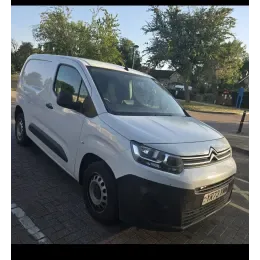
Larger vans are efficient for volume but can struggle on tighter turns or shorter forecourts. Match vehicle size to street geometry and doorway alignment to avoid multi-point turns or distant set-downs.
Parking and permit constraints
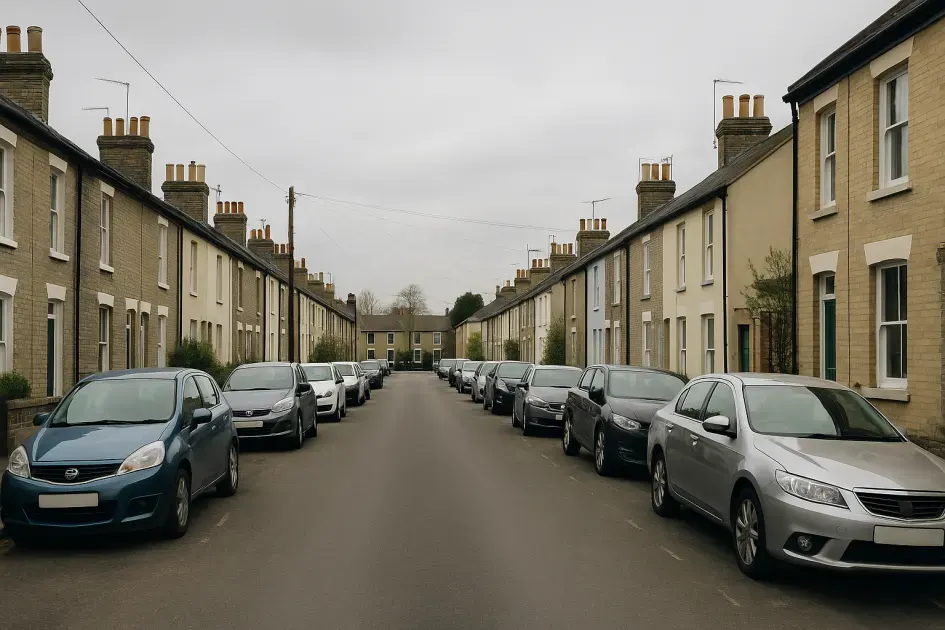
Permit-only streets and residents’ zones can push the van to a side road. Arrange visitor permits or a dispensation so the team can stop close to the door and minimise carry distance.
How clean-air or charge-zone rules affect moves in Cambridge
No active clean-air or charge zone currently applies in Cambridge. Central streets still impose access and loading controls that shape route planning, timing and where a van can legally stop. Focus on timed bays, one-way systems and managed building slots to maintain predictable arrival and loading windows.
Practical route-planning examples
Example 1: A city-centre flat on a one-way street has a timed loading bay around the corner. Schedule arrival inside that window, assign a door-to-van relay, and use dollies to limit carries.
Example 2: A terrace house on a permit-only street offers no driveway. Secure a visitor permit for the closest space, position cones if allowed, and stage boxes by the front door to compress loading time.
Example 3: An office near a bus gate needs dock access with a lift booking. Confirm vehicle registration and lift slot, share arrival time with facilities, and set a fallback approach that avoids the gate.
Example 4: A student move near Parker’s Piece during an event day risks traffic delays. Shift arrival earlier, pre-walk the carry route from an alternative bay, and prepare a second trolley to double-load trips.
Example 5: A suburban move into a narrow cul-de-sac limits turning for a long-wheelbase van. Park at the wider junction, keep a person on traffic watch, and shuttle with a platform trolley to reduce reversing.
Practical route-planning checklist
- Timed loading bays → Confirm exact operating hours and align arrival; stage items so every minute of the window is productive.
- Permit-only parking → Arrange visitor permits or dispensation and mark the closest legal space to shorten the kerb-to-door carry.
- One-way or bus-gate approach → Map a primary and a fallback route to keep arrival predictable if the first approach is blocked.
- Building lift or dock control → Pre-book lift or dock times and notify reception so access is ready when the van arrives.
- Event or school-run traffic → Shift arrival outside these peaks and add a small buffer so loading can continue without rushing.
Apply neighbourhood context
Street width, parking rules and loading options vary across local areas, so adjust your plan to the specific neighbourhood layout before setting arrival times.