
What affects cost planning for moves in Cambridge
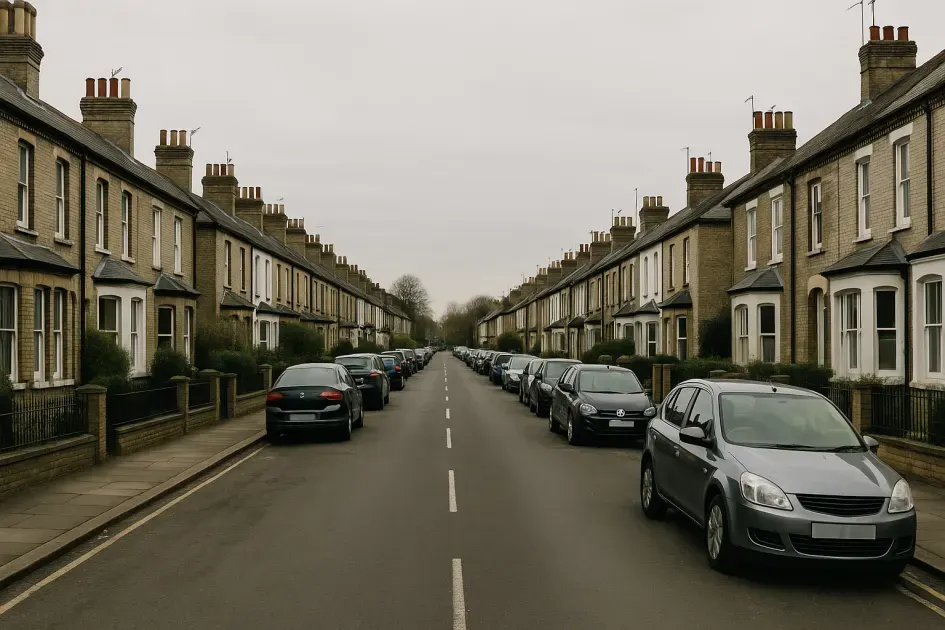
Moves in Cambridge are priced around labour time. Distance contributes as driving time, but the key drivers are loading and unloading conditions. Parking certainty close to the door keeps handling cycles fast. Permit zones, double yellows and narrow terraced streets often force longer kerb-to-door carries or timed loading, which extends the schedule.
Building layout is equally important. Stairs without a lift, tight corners, long corridors or split-level properties slow handling and may require staging or partial dismantling. Managed apartments can require goods-lift bookings and security sign-ins, creating fixed windows that reduce flexibility. Central routes can be busier during school-run and commuter peaks, which compress loading windows and add waiting. Scheduling pressure becomes clearer when viewed alongside Cambridge demand patterns at different times. Similar time pressures can also appear in man and van services in Chesterton.
Short journeys can cost more than expected if on-site handling dominates the day. A nearby move with a long carry and stairs often takes longer than a cross-city trip with a loading bay at the door. Loading time usually outweighs driving time, especially where access is awkward at either end.
What affects cost planning for moves in Cambridge
| Cost driver | What changes the time | Why it affects total cost |
|---|---|---|
| Parking access | Permit zones, no on-site bay, double yellows, long kerb-to-door carry | Longer carries and shuttling items extend loading time; arranging suspensions or permits also adds setup time. |
| Building layout | Stairs, tight corners, long corridors, split-level homes | Handling slows and staging is needed; dismantling and reassembly add labour time. |
| Van size / movers | Vehicle too small or too large for the street; crew size too small or too large | The wrong vehicle can cause extra trips or remote parking; crew size changes throughput of loading and unloading. |
| Route timing | School-run congestion, one-way systems, timed loading bays | Waiting and restricted windows reduce flexibility and extend total hours billed. |
Typical move price patterns in Cambridge
Pricing scales with duration because labour time drives cost. Two moves with the same distance can differ significantly if one has stairs, permit-only parking or lift bookings. Faster loading and unloading usually mean a lower total even when the route is longer.
| Move type | Typical time range | What affects duration |
|---|---|---|
| Few items or student room | Brief slot | Doorway proximity, stairs, and parking certainty near the entrance |
| Studio or small flat | Half-day window | Lift access or stairs, carry distance, dismantling of beds or tables |
| 1–2 bed flat | Extended half-day | Lift booking times, loading bay sharing, route timing through busy streets |
| 2–3 bed house | Full-day window | Number of large items, on-street bay availability, narrow residential streets |
| Small office move | Staggered slots | Building management rules, goods-lift availability, security sign-in procedures |
Cost examples by move type
Example 1: Room move with easy parking
Ground-floor room to ground-floor flat with a clear bay outside. Short carry and no stairs keep loading cycles quick, so the job fits into a shorter window and costs less in labour time.
Example 2: Studio with permit parking and one flight of stairs
Parking is in a permit zone a short walk from the door, and the flat is up one flight without a lift. Each load requires a carry plus stairs, slowing the cycle and extending the billed time even for a small volume.
Example 3: One-bed flat with lift booking and central traffic
The destination block requires a pre-booked goods lift and limits loading to set slots. Arrivals must align with the booking, and central routes are slower at peak times. Waiting between slots and controlled lift use stretch the schedule and increase cost.
Example 4: Two-bed terrace on a narrow street
A narrow residential street with limited bay length needs a medium van and two movers. The vehicle cannot sit directly outside all the time, so occasional remote parking and careful manoeuvring add carry distance and handling time.
Example 5: House to managed apartment with loading bay and long internal routes
The origin has straightforward access, but the destination is a managed block with a booked loading bay, security sign-in and a long corridor from bay to lift. Timed access and longer internal carries reduce throughput and extend the overall hours. That pattern is also reflected in how neighbourhood layout changes moving time.
How to keep the move efficient
- Permit-only or timed bays → Arrange visitor permits or a bay suspension and send confirmation details to the crew to avoid arrival-time delays.
- Narrow street or tight bay length → Share street width and bay measurements so the vehicle can be sized accordingly and parked once without repeated repositioning.
- Long kerb-to-door carry → Stage packed boxes near the exit, while keeping walkways safe, to shorten each shuttle.
- Stairs or tight corners → Dismantle large flat-pack items and remove loose shelves to reduce handling pauses on stairwells.
- Managed building with lifts → Pre-book the goods lift and loading bay, and provide the booking window and access instructions to prevent waiting.
- Peak traffic near schools or commuter routes → Choose a start time that avoids those peaks to protect loading and arrival windows.
- Fragile or bulky items → Pad and label in advance and list any special handling so the right equipment is brought first time.
- Key release or handover timing → Align key collection with arrival to prevent idle time outside the property.
- Route predictability → Share full addresses, parking notes and entrance photos in advance to reduce scouting time on arrival.
Neighbourhoods across Cambridge vary: dense terraces, new-build apartments, and mixed-use streets each create different parking layouts, housing density and loading conditions. Planning for the specific street and building type keeps the schedule predictable.