
Why demand patterns matter
When many moves cluster on the same day, crews face tighter first-load windows, less buffer for traffic or key delays, and knock-on effects for later jobs. High-demand periods also raise the chance that parking bays or loading spaces are already occupied, extending the kerb-to-door carry and adding handling time. Flexibility—especially a wider start window—lets teams route around congestion, adapt to building rules, and protect the schedule if the first pickup runs long. When demand tightens, it can change timing and pricing on Cambridge moves. A comparable pattern can be seen in man and van services in Royston.
Most delays come from access constraints rather than distance once the day is tightly booked. This helps you avoid delays on the day.
Typical Cambridge demand cycle
| Period | What changes | Operational effect in Cambridge |
|---|---|---|
| Weekends | Higher booking volume; residents at home; events and retail traffic | Reduced start-time flexibility, tighter loading windows, and slower urban routes near the historic core and retail corridors. |
| End of Month | Tenancy changeovers, same-day keys, inventory checks | Stacked moves create spillover delays; permit bays and loading areas rotate quickly, increasing carry distances and handling time. |
| Summer / Student Areas | Academic turnover and sublet transitions | Concentrated activity around colleges increases street congestion and shortens available loading windows near managed blocks. |
| Midweek (Non-peak) | Lower booking pressure; more building slot options | Wider start windows and better route predictability, making it easier to secure bays and avoid school-run choke points. |
Eight Cambridge timing drivers
1) How weekend bookings reduce start-time flexibility
Popular weekend slots fill first, leaving narrower arrival windows. With fewer alternative times, any overrun at the first address cascades through the rest of the day.
2) Why end-of-month tenancy cycles cluster moves
Tenancies often end and start on the same dates. Keys, check-outs and inventories align, so crews face overlapping schedules and faster turnarounds between addresses.
3) How student-area turnover creates seasonal spikes
Summer check-outs around colleges concentrate moves on specific weeks. Streets and bays fill quickly, adding time to secure parking and increasing carry distance.
4) Why school-run traffic increases scheduling risk
Morning and mid-afternoon peaks squeeze travel buffers. If pickup or loading coincides with school-run congestion, route predictability drops and later jobs begin later.
5) How commuter traffic changes route predictability
Arterials to science parks and the city core slow during commute peaks. Unreliable travel times narrow crews’ ability to recover from smaller early delays.
6) Why building booking rules reduce available slots
Managed blocks may limit lift access or loading-bay times. When demand is high, the few allowable slots go first, forcing less efficient loading sequences.
7) How narrow residential streets increase timing sensitivity
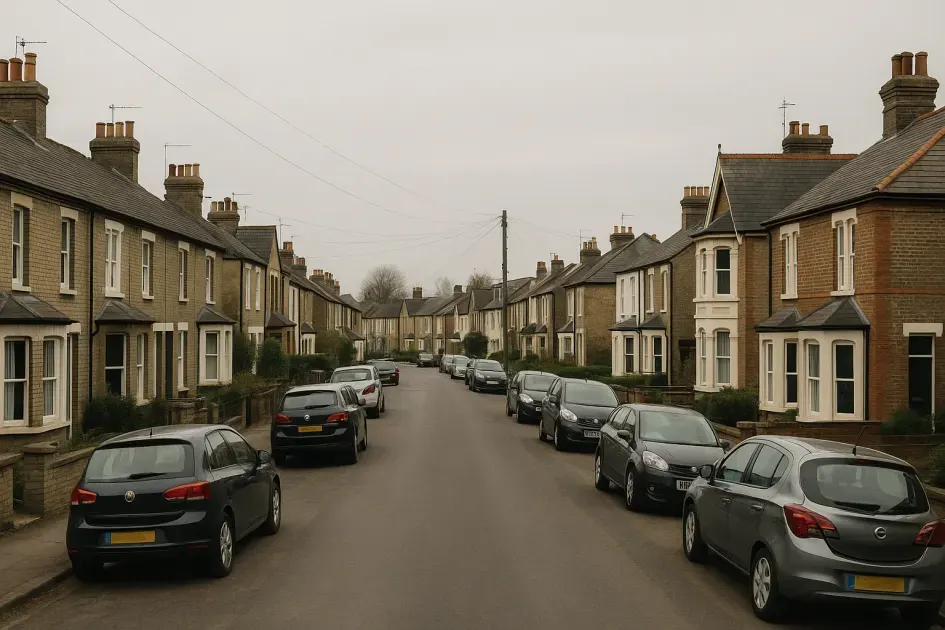
Terraced streets and permit zones can restrict van positioning. If the closest bay is occupied, longer carries and extra shuttling extend the loading phase.
8) Why mixed-density neighbourhoods produce uneven demand
Areas combining family homes and student lets spike at different times. Overlapping patterns compress availability and make reliable slot matching harder.
Scenario modelling
Scenario A: Midweek morning move with a broad arrival window. The crew avoids school-run peaks, finds permit parking near a terrace address, and completes loading without extended carries.
Scenario B: Saturday move from a permit street to a flat with lift booking limits. A busy bay forces a short shuttle carry, and event traffic slows the route, tightening the second-address window.
Scenario C: Month-end summer move in a student area with staircase access and limited bays. Overlapping check-outs crowd the street, while longer carries and key handover timing extend the schedule.
Practical scheduling checklist
- Weekend peak pressure → Request a broader start window to protect against first-job overruns.
- End-of-month tenancy turnover → Ask landlords or agents for key handover flexibility to prevent idle crew time.
- Permit parking streets → Arrange a visitor permit or reserve a legal bay close to the door to reduce carry distance.
- Managed building rules → Confirm lift or loading-bay slots and align crew arrival inside the booked window.
- School-run congestion → Set travel legs outside peak times or sequence addresses to avoid choke points.