Follow each prepared furniture piece from its starting room through the permitted exit, every turn and outside stage to loading. Independently check the same piece from unloading to the receiving room, leaving uncertain fit for assessment.
On this page
Record the piece in the form it will travel
Give the item’s dimensions, known weight or manufacturer information, and any separable sections. Include fittings and packed belongings in the complete inventory. Distinguish preparation you will finish from work separately requested; the assembled item and its prepared sections may pose different access questions.
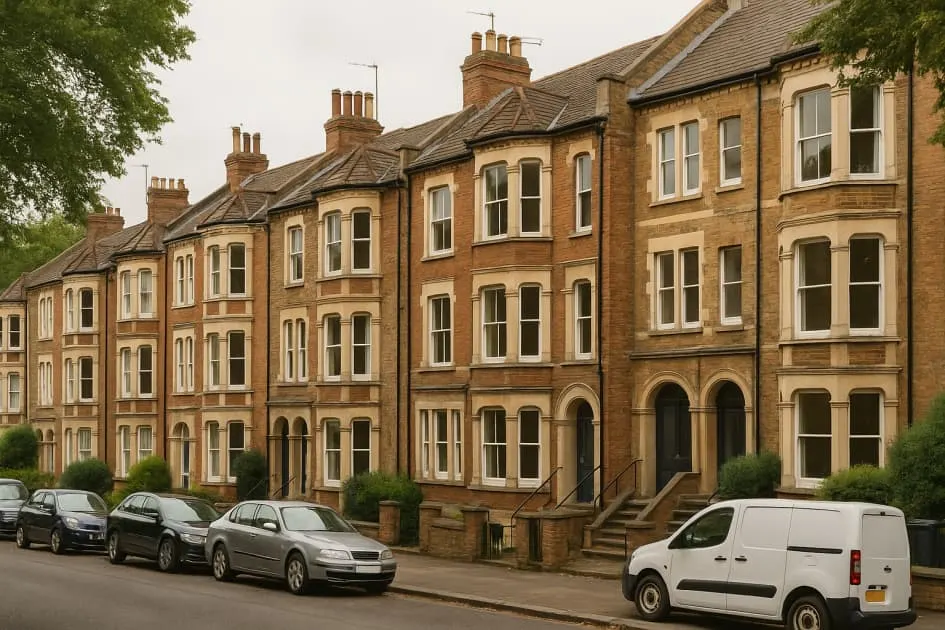
The September 2011 appraisal’s East Redland section describes side entrances and recessed lobbies. Use that limited historic context as a prompt to identify the actual permitted route, not as a description of every Redland home. Confirm which opening the property contact allows for this furniture.
Follow the first inside turn and every later stage
Check the room doorway, door swing, lobby and first stair turn, then each landing, flight, corridor, exit and gate to lawful loading. Note the usable turning space beyond an opening and any outside steps or retained boundary wall affecting the carry. A width alone does not establish that a rigid item can turn.
The furniture access method helps describe prepared pieces and changes of level. Ask support to assess uncertain dimensions, route details or preparation before relying on the arrangement; do not assume a door or wall may be altered to make the item fit.
Assess delivery independently of collection
Repeat the check from the actual unloading position through the receiving entrance, stairs or permitted lift, every corridor and the final-room doorway. Confirm lift use and availability with the responsible contact. An item that clears the Redland turn has not therefore been shown to fit the receiving property.
Choose sufficient selected help throughout both complete carries, loading/unloading and relevant stops. If customer loading/unloading is selected, provide enough suitable people throughout both ends. More people can assist suitable handling but cannot reduce a rigid piece’s dimensions. Use the loading-position record to keep the road and private-entry decisions separate.
Make the preparation and work sequence explicit
Eligible providers may undertake the paired packing/unpacking service, item disassembly and item assembly at any declared agreed moving stop, separately from loading. Packing/unpacking share one selection, allowance and rate; optional work uses 30-minute blocks of elapsed team time at the booking rate. State the piece, task and stop, and prepare anything outside the agreed scope yourself.
Before booking, tell support about seller appointments, keyholder availability and any key-handover deadlines, building access periods and receiving finish deadlines. Allow time to gain access and check all goods and their parts. Finish any remaining agreed preparation before carrying the items that need it. Include the complete collection carry and loading, travel and the work at every agreed stop. At delivery, allow for entry, unloading and carrying everything into the final rooms, followed by any selected finishing. Arrival is not completed delivery.
Keep a prepared-piece decision record
Hypothetical example: a desk passes the room doorway but its top cannot turn into the first flight in the stated form. Record the piece and turn for assessment, including any legitimate preparation option, before treating collection as workable. Do not rely on extra helpers as proof of fit.
Save the prepared form, route, permitted opening, help and remaining questions for each property. Carry the decisions into the chronological preparation plan and Bristol access guidance so the actual route remains connected to the booking.
Common questions
Will selecting more loading help solve a narrow Redland stair turn?
No. Suitable selected help can assist handling, but it cannot make a rigid item smaller or establish an unmeasured turn. Give support the prepared piece dimensions, first-turn space and complete routes at both properties for assessment. Resolve preparation and permission questions before relying on the move.
Sources and further detail
Actual Redland item and access arrangements. September 2011 East Redland character-area descriptions are limited historic context, not present property permission or fit. Examples are hypothetical.
Plan the move from your Redland address
Use the full inventory, actual exit and independent receiving route to choose the vehicle and help.
Plan and price your Redland move