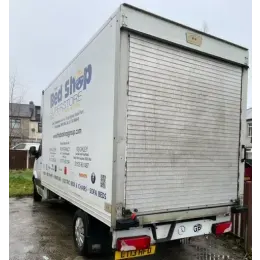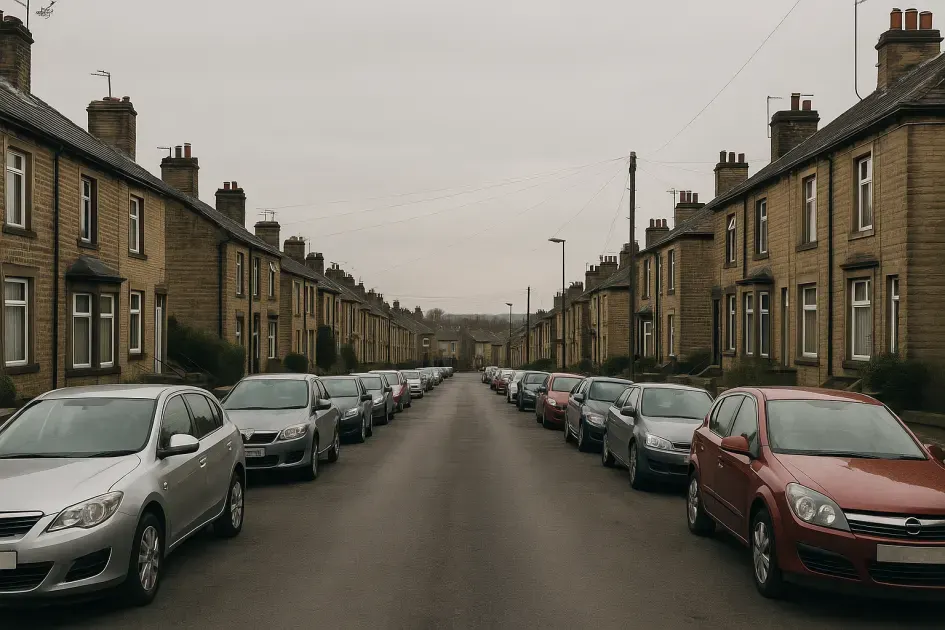
What matters operationally
Route predictability depends on timing and access working together. Commuter and school-run peaks add delay, central restrictions change approach options, and loading distance from kerb to door controls how long each shuttle takes. When those factors are lined up with lift availability, key collection and building entry rules, the whole move feels more stable and less rushed.
How to plan around restrictions
Confirm arrival outside peak congestion, verify the exact stopping point, and coordinate with building management for entry or lift slots before move day. In Bradford, the biggest risks are usually missed loading windows, long carries from distant parking, and route changes caused by works or restricted turns. Build in a small buffer, check signage at both ends, and keep a fallback route that still suits the vehicle. That is visible in areas such as man and van services in Bingley. Comparable route constraints also appear in man and van services in Shipley.
Eight route-planning variables in Bradford
Traffic timing patterns
Plan arrivals to avoid commuter peaks and school-run surges. If a fixed lift or bay booking exists, leave enough buffer that a minor incident does not force a missed slot.
Central access constraints
City-centre routes can include bus gates, pedestrianised sections, one-way loops and turn bans. These shape the last approach and can leave less time for unloading if ignored.
Kerbside loading conditions
Stopping space, loading bay timing and surface level affect how quickly the vehicle can be worked from. Tight loading windows reward good staging and clear access notes more than last-minute improvisation.
Building access limitations
Lift bookings, security check-ins, key collections and stair-only access often set the pace once the van stops. A good road route still fails if the building cannot receive the move immediately.
Route predictability and delays
Roadworks, temporary signals and event diversions reduce predictability. Holding a secondary approach matters most when the destination only gives a short loading or entry window.
Vehicle suitability and access
Match vehicle size to street width, turning circles and any height or weight constraints. A smaller van can sometimes save more time overall if it shortens the final approach and avoids repositioning.
Parking and permit constraints
Residential zones may require visitor permits, while central streets may enforce short loading windows. One practical example appears in man and van services in Otley.
How clean-air or charge-zone rules affect moves in Bradford
Bradford’s Clean Air Zone can influence route choice and vehicle planning, especially for central access. Where the move enters or crosses the zone, crews may need a compliant vehicle or a route that keeps timing, cost and unloading windows working together.
Practical route-planning examples
Example 1: City-centre flat with a timed loading bay. Align arrival with the bay window, stage boxes by the entrance beforehand, and assign someone to keep the kerbside plan moving.
Example 2: Terrace on a permit street. Secure visitor permits, arrive between school-run peaks, and park at the nearest legal break in the zone to keep the carry short.
Example 3: Managed building with lift booking. Choose a predictable approach route, add buffer time, and call ahead on approach so the building is ready when the van arrives.
Example 4: Narrow residential lane. Use a shorter wheelbase vehicle, approach from the wider end, and avoid awkward reversing that would slow the whole unload.
Example 5: Event-day near the centre. Avoid closure perimeters, route via signed diversions, and keep a secondary drop-off street ready if the primary bay is occupied.
Practical route-planning checklist
- Timed loading bays → Match van arrival and crew readiness to the bay window; stage items at the entrance to shorten the carry.
- Permit-only streets → Obtain visitor permits in advance and identify the closest legal bay to minimise walking distance.
- One-way or bus-gate approaches → Pre-plan the correct turn sequence and a fallback loop that fits the vehicle’s turning circle.
- Building lift or key-release windows → Call ahead on approach and coordinate arrival so handling starts as soon as access opens.
- Event or works disruptions → Check closure notices the day before and morning-of; hold an alternate route that avoids the affected corridor.
Apply neighbourhood context
Street width, parking rules and loading options differ by neighbourhood, so confirm the specifics at both addresses before fixing timing and vehicle size.
We provide man and van services across the wider area, including man and van services in Saltaire and man and van services in Baildon, with bookings managed through a single booking system with vetted local drivers.