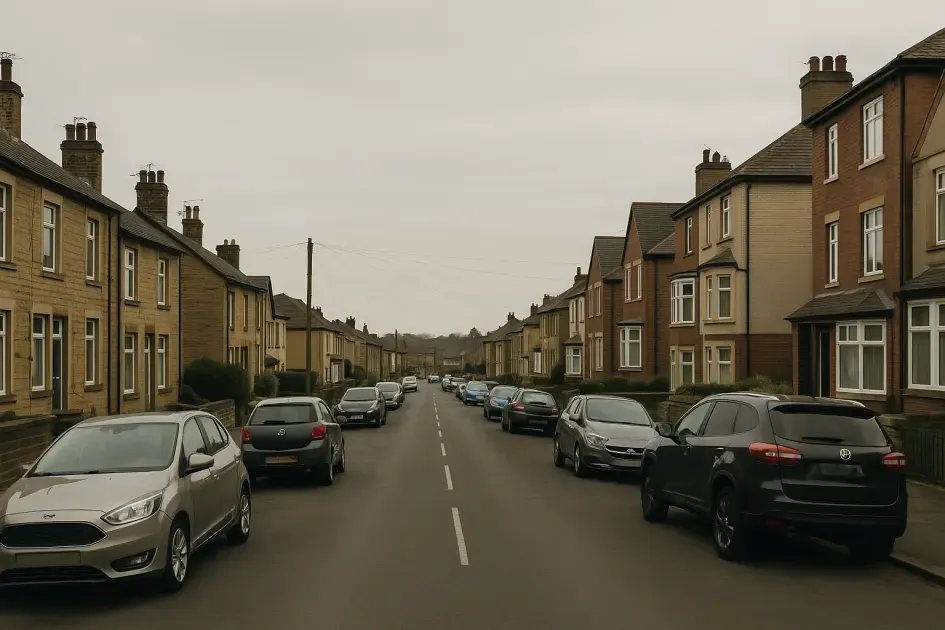
Why demand patterns matter
When many moves target the same windows, start times become less flexible. A delayed morning job can cascade into later arrivals because vans have limited slack and must still meet key handovers, lift times or tight loading arrangements.
Demand clusters increase operational risk by tightening loading windows, extending kerb-to-door carries where parking is scarce, and reducing the chance to re-sequence the day if access changes suddenly. Most delays come from access constraints rather than distance once the best nearby space has already gone.
Flexibility improves reliability because a wider slot availability allows earlier arrivals, alternative loading options, and better alignment with building rules, lifts or key collection times. This helps you avoid delays on the day.
Typical Bradford demand cycle
| Period | Operational effect in Bradford |
|---|---|
| Weekends | Reduced booking flexibility; jobs stack tightly, so any overrun pushes later arrivals. Permit bays and busy retail streets make quick parking swaps harder. |
| End of Month | Tighter loading windows from fixed key handovers; multiple tenancies switch the same day, compressing schedules and increasing late-afternoon congestion. |
| Summer / Student Areas | Seasonal turnover near campuses increases van traffic and competing access; longer carries from full kerbs and more stair moves extend load times. |
| Midweek (Non-peak) | Broader slot availability and more predictable routing; easier to secure nearer-door parking and coordinate building access without rushed turnarounds. |
Eight Bradford timing drivers
1) How weekend bookings reduce start-time flexibility
With many moves packed into two days, crews have less buffer. Any early delay ripples through later jobs, shrinking options to adjust routes or parking.
2) Why end-of-month tenancy cycles cluster moves
Tenancy handovers anchor schedules to fixed hours. When keys and checkouts align on the same day, the whole timetable becomes tighter and more sensitive to slippage.
3) How student-area turnover creates seasonal spikes
Simultaneous move-ins and move-outs near term dates increase van density. Kerbs fill, carries lengthen and stair access becomes more contested, which collectively slows the pace.
4) Why school-run traffic increases scheduling risk
Peaks around school times slow cross-city travel and reduce arrival accuracy. Even a short delay can become more serious if the destination relies on a building slot or handover window.
5) How commuter traffic changes route predictability
Rush-hour choke points on arterial roads add uncertainty. That lowers the chance of early starts at later addresses and makes the whole day less forgiving.
6) Why building booking rules reduce available slots
Managed sites may restrict lift or loading-bay use to specific hours. Missed slots force waits or re-sequencing, which raises the risk of late departures from both properties.
7) How narrow residential streets increase timing sensitivity
Terraced streets with permit parking limit close kerb space. Longer carries and vehicle repositioning extend loading and reduce same-day scheduling flexibility.
8) Why mixed-density neighbourhoods produce uneven demand
Areas with both flats and terraces experience overlapping access needs. Shared kerbs, stair use and delivery traffic compound delays during the busiest periods.
Scenario modelling
Scenario A: Midweek move from a terrace with available permits and flexible keys. The crew secures a near-door bay, avoids school-run peaks, and keeps room to adapt if something changes.
Scenario B: Saturday flat-to-terrace move. Retail traffic and local footfall reduce nearby parking, so a longer carry tightens the afternoon arrival window.
Scenario C: End-of-month, student-area flat with lift booking and permit parking. School-run congestion delays arrival, and a missed lift slot can push the schedule toward the edge of office hours.
Practical scheduling checklist
- Weekend clustering → Request the earliest feasible start to create recovery time if the first address overruns.
- End-of-month handovers → Align key exchange and lift booking times with the planned arrival window to avoid idle waits.
- Permit parking streets → Arrange visitor permits or suspensions in advance to cut kerb-to-door carries.
- School-run congestion → Avoid arrival during peak school times to reduce route uncertainty and protect loading windows.
- Student-area turnover → Choose non-peak midweek dates to secure closer parking and steadier lift access.
We provide man and van services across the wider area, including man and van services in Shipley, man and van services in Baildon, and man and van services in Dudley Hill, with bookings managed through a centralised platform using verified local operators.