A desk top, assembled chair and cabinet can meet different limits at doors, stairs and lift turns. Identify each limiting shape and the route it will actually use while other occupants remain in the building.
On this page
Describe the actual travelling furniture and parts
Give dimensions including projections and protection, available weight information and any fragile features. Identify removable shelves, panels and fitting bags under the correct item reference. Confirm who prepares the furniture and whether that work is suitable before relying on smaller sections.
The prepared-furniture route method helps gather useful measurements and photographs. Ask support about uncertain construction, unusual weight or handling. A workplace collection or furniture purchase still needs the actual piece assessed rather than only a desk or cabinet label.
Trace the whole route from the selected room
Record the starting floor, doorways, corridor turns, stairs, landings, shared entrance, outside steps, side gate and full carry to lawful loading where present. For a lift, obtain its permitted use, usable cabin and door, approach and exit route. Keep shared passageways usable while goods are prepared and other occupants remain.
Obtain current building admission and opening contacts separately from physical fit. If a restricted road position or barrier affects loading, check the actual controller outcome and describe the complete carry from a lawful alternative. A dispensation or lift booking does not itself prove that the furniture fits.
Assess the same limiting pieces into the final room
Have the recipient check the actual prepared desk sections, chair and cabinet through its entrance, stairs or permitted lift, corridor and final doorway. Look at turning space beyond openings and the remaining carry after any lift. Confirm the intended room and placement space are available.
Choose help for both complete carries and every relevant stop. With customer loading and unloading, arrange sufficient people throughout independently of reception, staff or keyholders supplying entry only. Give an unresolved turn or handling question to support before relying on a vehicle and help choice.
Hypothetical example: a desk top clears the door but needs another turn
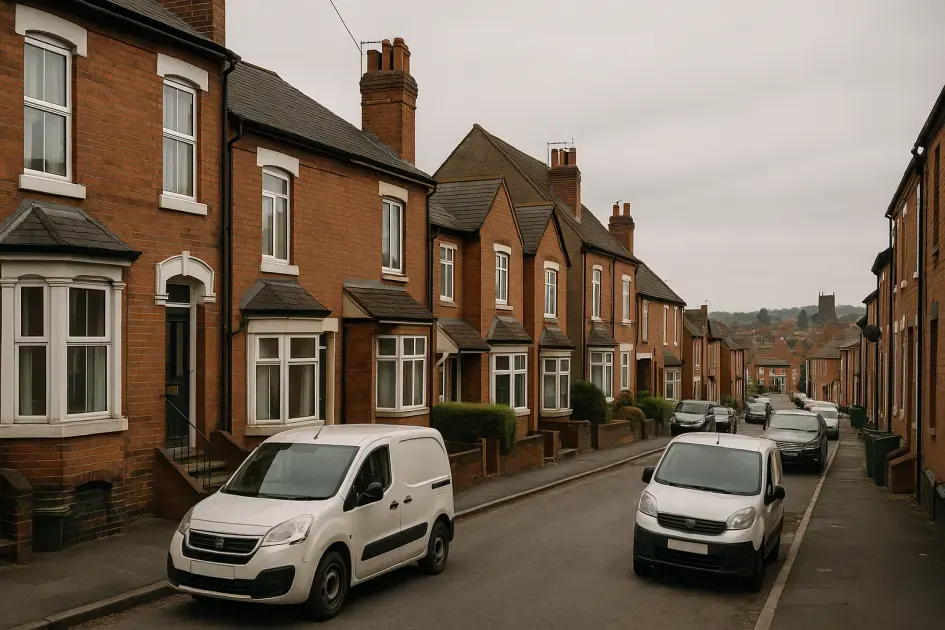
Hypothetical example: a Walsall customer’s prepared desk top fits a shared entrance but its corridor-to-room turn remains unchecked. The recipient supplies those dimensions separately; the assembled chair and cabinet get their own checks. The release contact confirms the same travelling forms and parts.
Item disassembly and assembly may be agreed at any declared moving stop subject to eligible provider availability, separately from loading/unloading in 30-minute blocks of elapsed team time at the booking rate. If fit is uncertain, ask support to assess the item and route before relying on further preparation.
Keep a prepared-piece and two-route assessment
Keep item references, prepared dimensions, parts, preparation responsibility, all route stages, permissions, contacts and chosen help together. Give seller appointments and goods-release deadlines, release-staff or keyholder availability, any key-handover deadlines, building access periods and facility access periods to support before booking. Allow time to get in and check the goods and their parts. Finish any remaining agreed preparation before carrying the items that need it. Include every indoor and outside collection carry and loading, the journey and the work at each agreed stop. At delivery, allow time to get in, unload and carry the goods into the agreed final rooms, place them there and complete any selected finishing work. Pickup arrival is not completion.
Use the lawful-position and private-admission record and selected-load quote sheet. Birmingham access planning supplies the wider context.
Common questions
Does the man and van booking reserve a lift or parking bay?
No. Confirm any road permission, private loading arrangement, lift and building admission separately, with who arranges them, their actual conditions, vehicle and usable period. Measure the prepared furniture through both complete routes and choose enough help independently of those permissions.
Where should I check the local arrangements?
Ask each building’s responsible contact which furniture entrance, lift or stair route may be used and who maintains access. Check the road position separately through Walsall’s applicable process. Neither a lift booking nor a street decision replaces measuring the prepared piece through the full route.
What information should I give the booking team?
Send each limiting piece’s prepared dimensions, projections, available weight information, parts and preparation responsibility. Describe every door, turn, stair or permitted lift stage from its starting room to loading, then the recipient’s complete final-room route. Include photographs, private permissions, chosen help and any unresolved fit question.
Sources and further detail
Practical planning for the actual goods and addresses. Current council position and premises instructions apply separately; dated barrier information is context for a fresh controller check. Examples are hypothetical.
Plan your Walsall move
Bring the complete selected load, actual routes, authorised contacts, chosen help and fixed limits.
Plan and price your Walsall move