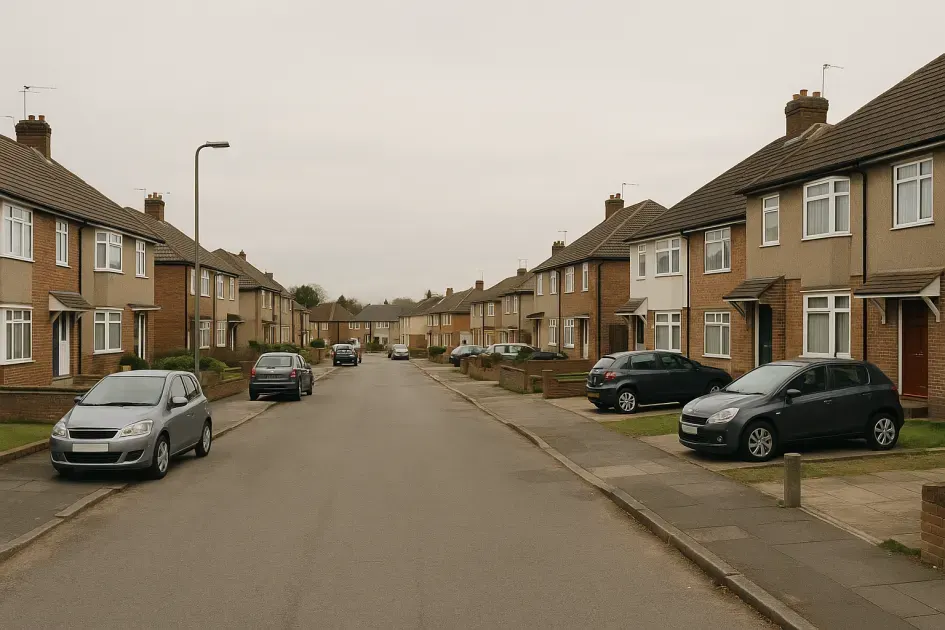
How moving conditions vary across Birmingham
Central districts with Victorian terraces, apartment blocks and busier arterial roads often make access tighter and less forgiving. Vans may need to load from a legal bay rather than directly outside the door, which adds repeated walking time. In suburban areas, driveways, wider roads and easier turning space usually create shorter carries and steadier loading. The difference is not cosmetic; it changes the whole pace of the day. A move from a flat above a busy street in Digbeth works very differently from a move out of a semi in a quieter outer district. A tighter-access contrast appears in man and van services in Walsall.
Neighbourhood access patterns
Inner-city terraces often come with controlled parking, shorter stays and less space to align the van neatly with the entrance. Apartment clusters near major routes may offer loading bays, but those gains are often balanced by lift bookings, security sign-in or shared access with other residents. By contrast, suburban streets with dropped kerbs, garages or broad frontage make it easier to load continuously without interruption. Most delays come from access constraints rather than distance, especially when both addresses have limited kerbside options. Vehicle-positioning issues are easier to understand through man and van services in Sutton Coldfield.
Property and loading differences
A ground-floor flat with direct pavement access can be quick if the van parks close. A first-floor maisonette without a lift can be much slower, even with fewer items, because every bulky piece has to be carried up stairs and turned through tight landings. Older terraces may have narrow halls, cellar steps or small front paths that slow furniture handling. Newer apartment buildings can be efficient, but only when the loading bay is available and the lift is reserved. Across Birmingham, the practical issue is always the same: how simple is the route from van door to room? The pricing effect is explained in how these conditions affect moving costs.
How to choose the right planning approach
Start with the hardest address, not the shortest route. If one property has permit parking, timed bays, stairs or a booked lift, plan the day around that constraint first. Where streets are narrow, a smaller van may save time overall because it can position closer. Where carries are long, staging boxes near the exit and using dollies or straps can keep the work rate steady. If school-run traffic or city-centre congestion is likely, shift the start so arrival lines up with the most restrictive access point. This helps you avoid delays on the day.
City-wide baseline: time drives outcomes
Birmingham combines dense terrace streets, post-war estates, newer city-centre apartments and suburban roads with easier parking. Across all of them, moving time usually comes down to four things: how close the van can get, how crowded the street is, how easy the building is to work through, and how predictable the route is between addresses. Good planning protects short carries, continuous loading and minimal repositioning.
Eight variables that change moving time locally
1) How permit parking delays loading
Permit rules can force the van into the nearest legal space rather than the ideal one. That may only add a short walk, but when it is repeated dozens of times across boxes, furniture and appliances, the delay compounds quickly. If time limits are short, crews may also need to re-park halfway through.
2) Why terrace streets limit van positioning
Terrace streets often have parked cars on both sides, little room for tail-lift use and limited turning space. That can stop the van lining up square to the entrance, which makes every large item slower to move and reduces the efficiency of each trip.
3) How building layout alters carrying distance
Long corridors, split landings, steps down to basements or awkward communal entrances all add metres and handling touches. Even when the van is close, the internal route may still be the part that stretches the move.
4) Why managed buildings introduce lift booking delays
Booked lifts and loading bays can make apartment moves more organised, but they also create fixed windows. If the van arrives late or another resident overruns, the schedule tightens quickly and unloading can become stop-start rather than continuous.
5) How street width and turning space affect van approach
Tight approaches, cul-de-sacs and traffic-calming features affect whether a larger vehicle can get close enough to be useful. In some cases, a smaller van with easier access outperforms a larger one that has to stage from farther away.
6) Why route predictability changes travel time
Bus lanes, one-way systems, ring-road pressure and event traffic make Birmingham routes less consistent than they appear on a map. The issue is not only the extra minutes driving, but the knock-on effect if a booked bay or lift slot is missed.
7) How loading bay rules affect unloading speed
Some developments only allow unloading in specific bays, at specific times, with security aware of the booking. That can slow the rhythm of the job because crews are working within a system rather than simply parking and unloading.
8) Why neighbourhood traffic patterns delay moves
School-run congestion, commuter surges and busy local junctions can all narrow the working window at the destination. A short delay on approach often becomes a longer delay on site when the best bay has already gone or building access is time-limited.
Practical planning checklist
- If permit parking restricts kerb access, request a visitor permit or bay suspension so the van can park as close to the entrance as possible.
- If a building requires lift or loading bay bookings, secure the slot early and plan arrival before the window starts.
- If street width is tight, choose a van that can approach safely without repeated reversing or repositioning.
- If peak traffic affects route reliability, schedule outside school-run and commuter peaks to protect access windows.
- If carry distance is long, stage items near the exit and use a dolly or platform trolley to keep the loading cycle moving.
Scenario examples
Example 1: Small studio move from a suburban semi with driveway to a house on a wide street. One mover, small van. Close parking and level access keep loading smooth and uninterrupted.
Example 2: One-bed flat on a terrace street to a maisonette. Two movers, medium van. Permit parking pushes the van to a legal bay farther away, so each shuttle takes longer and the schedule expands.
Example 3: Two-bed terrace to apartment. Two movers, medium van. A long courtyard walk from the kerb to the lift adds repeated delay, even though the lift itself is working normally.
Example 4: Three-bed semi to city-centre flat. Three movers, long wheelbase van. Loading-bay timing and school-run congestion tighten the arrival window and slow the unloading phase.
Example 5: Four-bed house to managed apartment complex. Three movers, Luton van. Tight approach roads, a timed lift slot and a controlled bay create a more technical move where sequencing matters as much as vehicle size.
Apply neighbourhood context
Neighbourhood conditions vary widely across Birmingham. Some addresses involve permit streets and tighter terrace access; others have driveways, wider roads or managed apartment bays. The guides below explain how those local differences shape real moving-day planning. These neighbourhood differences make the most sense in the wider context of Birmingham man and van services.
We provide man and van services across the wider area, including man and van services in Stourbridge, man and van services in Balsall Heath, man and van services in Bordesley, and man and van services in Bournville, with bookings managed through one system coordinating bookings with pre-checked drivers.