Trowbridge Property Challenges – Access, Layout and Building-Type Friction

Property access challenges in Trowbridge are usually practical rather than dramatic. The move slows down when the route inside the building is tighter, longer or more awkward than the exterior suggests.

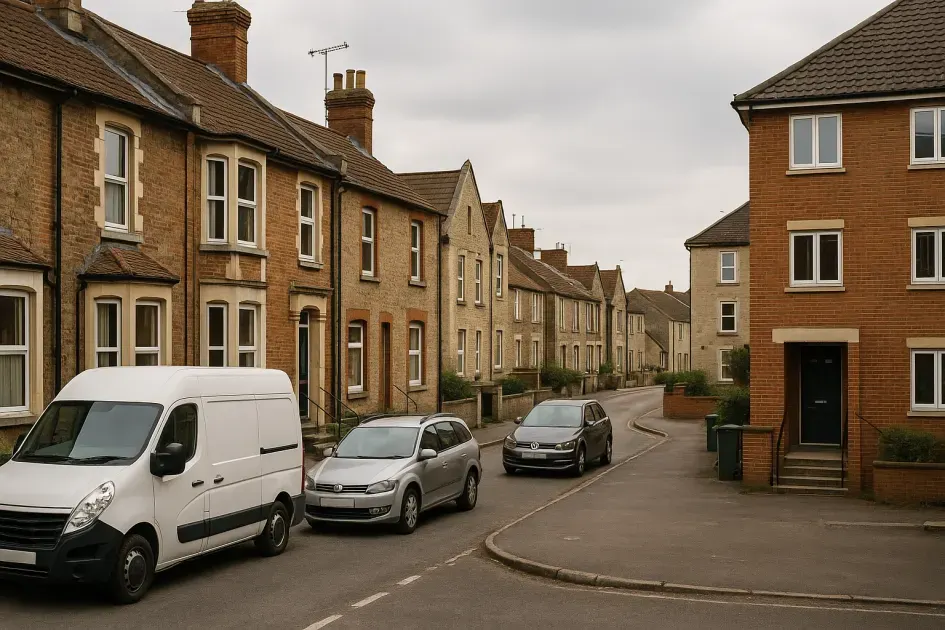
That is why local housing type matters. Homes in Trowbridge often mean terraced streets near the centre, 1930s and post-war semis on established estates, and modern flats and houses on newer schemes, and each of those can produce different access issues such as shared paths, rear parking courts, variable lift access and longer carries from parking to front door.

For the broader parent-area picture, see Bath borough comparison guide.

For a more complete planning view, pair this page with parking permits for moving in Trowbridge and moving costs in Trowbridge.

man and van in Trowbridge is the main booking page when you are ready to move from planning into the live service journey.

Quick summary

  • The inside route often matters more than the front address.
  • Stairs, turns, shared entrances and carry length can all change the pace.
  • In Trowbridge, ordinary homes can still have awkward access once loading begins.

Why property access behaves differently in Trowbridge

A front door address does not always describe the real route. The team may still be dealing with side gates, communal hallways, half-landings, set-back entrances or furniture angles that change how items have to be handled.

This helps you avoid under-planning the job. Find My Man and Van handles the booking journey through one platform, but good access information is what lets the move be matched to the reality of the property.

Local examples and planning scenarios

A useful way to think about the job is to count turns, stairs and doorways, not only rooms. Upper-floor moves can change the pace of the day more than expected when an address can be straightforward for driving but slow to load if the property sits beyond a shared access path or courtyard or the route forces repeated repositioning.

Use the related support pages for added context, then return to the main service page when you are ready to book.

Practical advice before booking

  • Measure the tightest turns, stair sections and door widths for bulky furniture.
  • Mention communal entrances, rear access paths or any route that is not obvious from the street.
  • Flag lifts early, including whether they are small, shared or sometimes unavailable.
  • Tell the booking team where the first realistic loading point actually sits in relation to the door.

Use this page to understand the property side of the move, then return to the main service page when you are ready to book. That keeps the page supportive of the battlefield structure rather than overlapping with it.


Trowbridge Property Challenges FAQs

Common questions about building access and property layout in Trowbridge.

In Trowbridge, the hardest properties are usually the ones where the route is indirect rather than simply large. Property types such as Victorian and Edwardian terraced streets near the town centre and 1930s and post-war semi-detached houses on established estates can all create friction in different ways depending on how the access path behaves.

Yes. Stairs and split routes affect every repeated trip, so they change the pace of the whole move rather than creating just one awkward moment.

Because they can introduce waiting points, access control and route narrowing. They are manageable, but they need to be planned for honestly.

Very often. A converted building may look straightforward outside while hiding tighter stairs, less predictable lift access or longer internal routes once the job starts.

Measure doorway widths, stair turns, lift dimensions where relevant, and the real path from the furthest loaded room to the van position.

Yes. Lofts, garages and secondary storage areas spread the inventory across more space, which lengthens the loading phase even when the property looks manageable from the front door.