
What affects cost planning for moves in Aberdeen
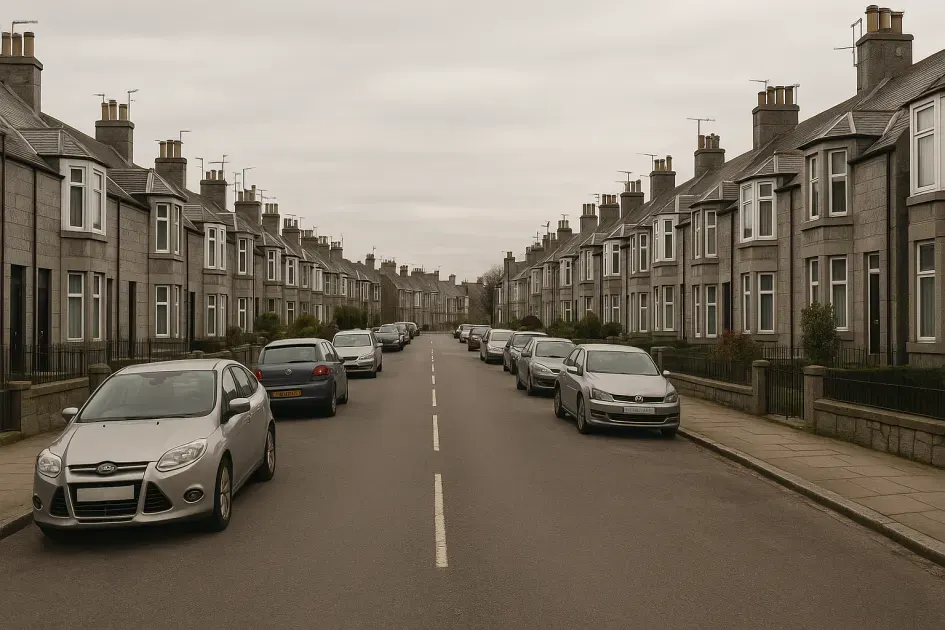
Moves become more expensive when handling becomes slower. The main cost drivers are parking position, carry distance, stairs, lift access, internal layout and any building rule that restricts when or how the crew can load. A short move between two nearby flats can still take longer than a further journey if one address has easy driveway access and the other involves a third-floor apartment, timed loading bays or a long walk from the legal parking spot. It also reflects how neighbourhood layout changes moving time. Scheduling pressure is clearer when you look at Aberdeen demand patterns at different times. One local example is man and van services in Old Aberdeen.
Distance still matters when travel is long or traffic is heavy, but for many city moves the real cost is set at the property. A van parked five metres from a ground-floor flat will finish far faster than one working from a side street into an upper-floor apartment with no lift. Most extra cost comes from repeat handling, not the road miles between stops.
What affects cost planning for moves in Aberdeen
| Cost driver | What changes the time | Why it affects total cost |
|---|---|---|
| Parking access | Distance from kerb to door; permit zones; timed loading bays | Longer carries and waiting add handling and idle time, increasing billed labour hours |
| Building layout | Stairs, narrow turns, long corridors, lift size/availability | Reduces load size per trip and adds trips; queues or small lifts slow every cycle |
| Van size / movers | Crew count, vehicle capacity and suitability for the street | Right-sized crew clears loads faster; too small slows work, too large may be constrained by the street |
| Route timing | School-run peaks, roadworks, and route predictability | Congestion and detours extend travel and tighten loading windows, adding paid time |
Plan your move in Aberdeen
Check the price and availability for your addresses, moving date and loading requirements. Book through Find My Man and Van; we allocate a suitable provider after booking.
Small local collection: £57.00 total — example for Aberdeen.
1 × small van; Customer Loading/Unloading; 5 miles, 1.5 hours, ground-floor access. Modelled for 31 October 2026. Your quote depends on your actual move details and date.
Providers covering the Aberdeen area

Local coverage is a guide, not a reservation of these providers. Explore local providers.
Typical move price patterns in Aberdeen
Pricing usually rises with duration. Faster loading, shorter carries and cleaner access conditions reduce hours, while layered constraints stretch them. Two similar homes can produce very different costs if one is a first-floor flat with easy parking and the other is an apartment with a booked lift, timed bay and a long corridor from the entrance. You are usually paying for the time it takes to handle the move properly and safely.
| Move type | Typical time range | What affects duration |
|---|---|---|
| Single-room or student move | Short session to half-day | Kerb distance, stairs, packing readiness, and parking certainty |
| Studio/1-bed flat | Half-day to most of a day | Lift booking, corridor length, fragiles, and street access for the van |
| 2-bed home | Most of a day | Disassembly needs, loading distance at both ends, and route timing |
| 3-bed+ house | Full day+ | Volume, large items, driveway availability, and any timed building rules |
Cost examples by move type
Example 1: Small flat share to nearby street
A few furniture pieces and boxes, ground-floor to ground-floor with driveway or close on-street parking. Continuous loading keeps the carry short, so labour hours stay lower and the short drive makes little difference either way.
Example 2: Small move with permit parking
Similar volume, but the destination sits on a permit-controlled street and no visitor permit has been arranged. The van ends up further away, the crew has a longer walk for every trip, and the extra handling time pushes the cost up.
Example 3: One-bed tenement flat with stairs
Moderate volume from a third-floor flat without a lift. Stairs reduce what can be carried per trip and slow every cycle. Even with a short route, the repeated stair work increases the labour portion of the booking.
Example 4: Two-bed home across town during school-run
Driveway loading at the origin but limited on-street access at the destination. Busy traffic narrows the arrival window for a good parking spot, and a longer carry at unloading adds time. Route timing matters, but the access conditions do most of the pricing work.
Example 5: Large apartment move with managed loading bay
Higher volume into a modern block with a reserved bay and lift. The access is organised, but the team must hit the booking window precisely. If the slot is missed or the lift is shared, idle time appears quickly and paid hours rise. This helps you avoid delays on the day because it shows where extra cost usually comes from.
How to keep the move efficient
- Permit or timed bays → Arrange permits or reserve the bay so the van can stop close to the entrance.
- Long kerb-to-door carry → Stage items near the exit and clear hallways to shorten each trip.
- Stairs or small lift → Use manageable sealed boxes and dismantle bulky pieces so each carry stays smooth and safe.
- Managed buildings → Book lifts and loading bays early, and share access rules so the crew arrives prepared.
- Traffic peaks → Favour mid-morning or early afternoon when congestion and parking pressure are often more manageable.
- Item list accuracy → Give clear volume and access notes in advance so the right van size and crew can be assigned.
Neighbourhoods across Aberdeen do not load the same way. Some have terraces with tight frontage, some have flats with stairs or lift bookings, and others offer easier driveway access. The more accurate the access picture, the more realistic the price and timing will be.
What to do next
Small prep steps make pricing more accurate and help the move run faster on the day.
- Share an accurate item list so the right van size and crew can be planned.
- Arrange parking or permits early if access is restricted.
- Flag stairs, long carries and awkward items before booking.
- Use the main city page to check service fit and get a clear quote.