Why Rotherham-specific factors change removals costs

Costs are driven by what actually happens on the street in Rotherham: the mix of property types, how easy it is to park and load, the limits on vehicle size, and the extra labour caused by long carries or tight staircases. That local reality — not national averages — determines time on site, crew size and therefore price.

When you are ready to move from cost research to the main move page, start with removals in Rotherham.

For a broader regional view, see moving costs in Sheffield.

You will often need to consider For a fuller cost picture, read this alongside hidden moving costs in Rotherham and property access challenges in Rotherham. at the same time.

Property type: terraces, flats, semis and new builds

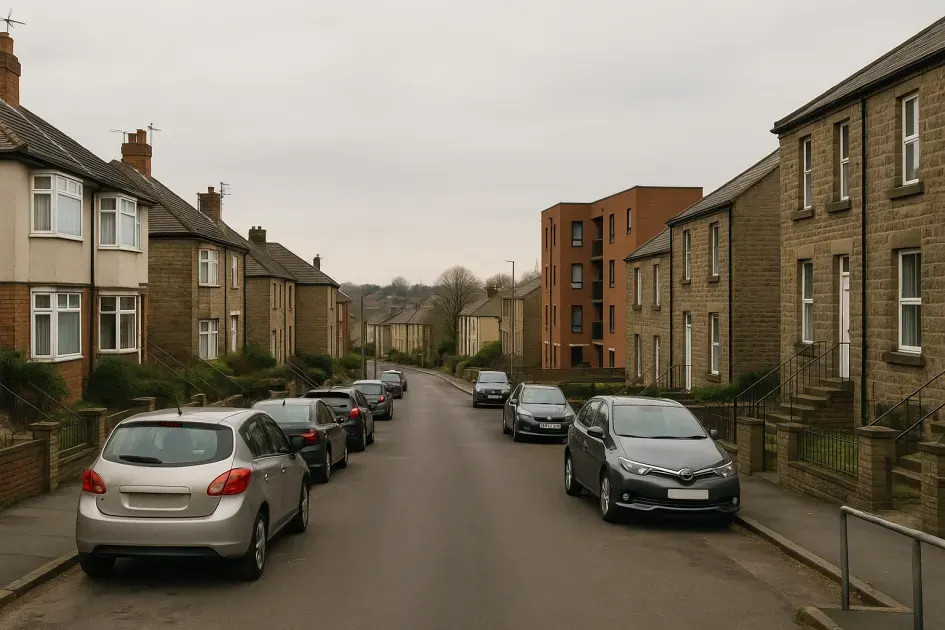
Rotherham still has many Victorian terraces in and around the town centre and older suburbs. These terraces commonly lack driveways and have narrow entrances. Moving out of a three-bed terrace will usually take longer than the same-size property on a modern estate because everything has to be carried further to the parked vehicle and manoeuvred through tighter doors and stairways.

Flats vary hugely: newly built riverside or edge‑of‑town developments (for example, some Wickersley or Hellaby new build pockets) frequently have lift access and allocated loading bays, which cut handling time. By contrast, converted flats above shops or older first‑floor flats in central Rotherham often have steep, narrow staircases and limited street access — the labour intensity and insurance requirements for these moves are higher.

Semi‑detached houses and new builds with drives reduce risk and carry distance; that often produces lower quoted times and fewer crew hours compared with terraced or converted properties in similar parts of the town.

Access constraints: parking, narrow roads, permits and lifts

Parking in Rotherham town centre and older residential streets is the main friction. On-street parking, loading restrictions and parked cars increase stop/start time and create safety constraints when handling bulky furniture. Some streets are within residents' parking zones or have short-term loading bays only — securing a temporary bay or moving permit through the local authority takes time and can require payment.

Narrow roads in back lanes and cul‑de‑sacs, particularly around older neighbourhoods, can prevent large removal trucks from getting close. That raises carry distance and often requires additional crew to maintain speed and protect items. Where lifts exist (in newer apartment blocks), loading is far quicker; where they don’t, every bulky item becomes a staircase operation that adds to labour costs and time on site.

Operational friction: carry distance, loading time and on-street rules

Every extra 10–20 metres of carry from door to van increases time significantly — not just for each item but because movers must navigate kerbs, narrow entrances and shared paths common in Rotherham terraces. Long carries require protective flooring, extra packaging, and sometimes additional staff to maintain safe handling. Loading time is also extended when local restrictions force vehicles to park several streets away or only allow short-term bays, which raises the number of shuttle trips.

Vehicle limitations and why smaller trucks can cost more

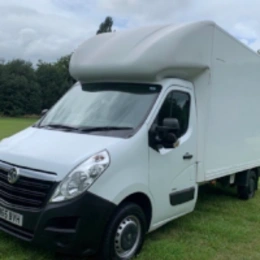
Large removal lorries are fast for loading and unloading when they can park at the property. In many Rotherham streets, those vehicles cannot access front doors because of narrow turning circles, low-hanging trees or parked cars. Using smaller vehicles means more trips between property and a central lorry or depot, or using multiple smaller vehicles — both increase mileage and crew hours, and therefore cost. In parts of Rotherham with good road access to the M1 or arterial routes, larger vehicles are easier to use and long-distance elements become cheaper per mile.

Crew size: why local layout changes manpower needs

How many movers are needed depends on more than the number of bedrooms. A three‑bed home with a drive and wide access in a modern estate near Wickersley typically needs the same crew as a comparable house in a terraced street in the town centre — but the terraced property will take longer. Narrow staircases, awkward doorways and long carries require more people to keep the job moving and to reduce injury risk. Specialist moves — pianos, built-in wardrobes or fragile antiques often found in older Rotherham homes — need extra hands and time, and therefore increase the quote.

Time-based increases: when timing adds to the price

In Rotherham, timing influences costs in several ways. Weekends and end‑of‑month dates have higher demand across the borough and the wider Sheffield region, pushing up rates and availability. Morning commuter peaks on routes into the town centre slow transit time for vehicles, lengthening total job time and labour charges. School term starts locally also create busy windows — families plan moves outside term time where possible, but when moves fall within these periods they often attract premium scheduling or longer estimates.

Day-of-week and timing effects compared with other Sheffield areas

Compared with inner‑Sheffield districts with broad avenues and more regular parking (for example, some suburbs south of the city centre), many Rotherham streets are tighter and more densely packed. That means the same job in Rotherham can take longer than in parts of Sheffield with easier vehicle access and plentiful kerb space. Conversely, areas of Rotherham close to major roads and motorway links can be quicker and cheaper for long-distance moves than equivalent addresses in Sheffield that require slow transit through the city centre.

Planning implications: what to arrange before moving day in Rotherham

Check local parking controls and whether a temporary bay suspension or permit is advisable for your street; this reduces shuttle distance and avoids penalties on the day. For flats, confirm lift dimensions and any service‑lift booking rules your building management enforces. If a property’s access will force use of smaller vehicles, anticipate higher labour and mileage elements in the cost. For more detail about local planning and the wider Sheffield pricing context see removals in Rotherham and moving costs in Sheffield. If you want to understand charges you may see only after booking, read about additional local surcharges at hidden moving costs in Rotherham.

Bottom line

In Rotherham the main cost drivers are very practical: the type of property and its door-to-vehicle layout, whether lifts exist, local parking and loading rules, and how accessible streets are for larger vehicles. These factors determine how much time and how many movers are needed — and time on site is the biggest single influence on the final price for a full house or office removal.