Packing advice for removals in South Nottingham

Packing for South Nottingham properties: what to expect

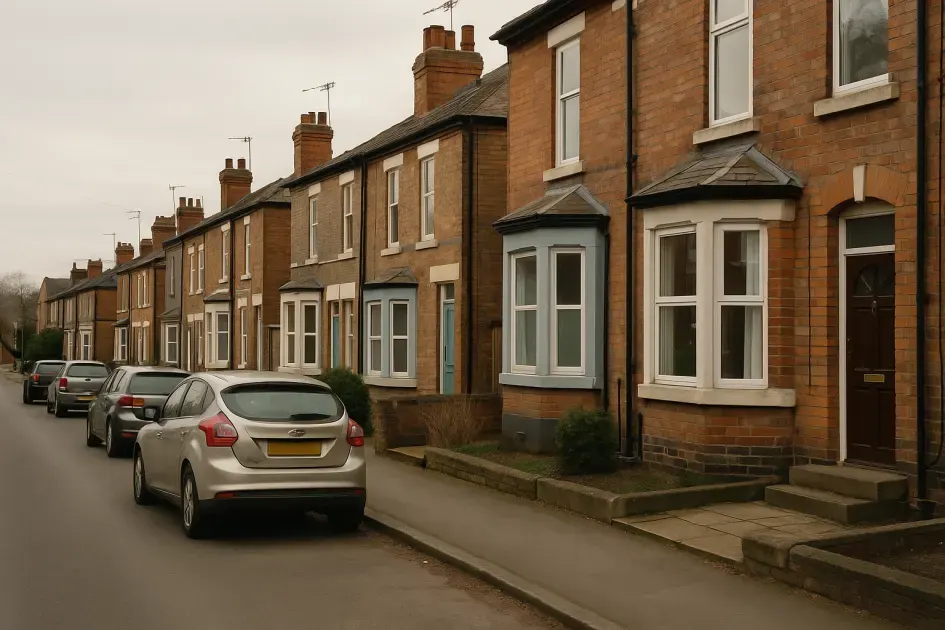
South Nottingham covers a mix of housing: Victorian and Edwardian terraced streets with tight frontages, purpose-built flats above shops and in low-rise blocks, semi-detached 1930s suburbs with driveways, and pockets of modern new builds. Each type brings distinct packing and access challenges that affect how you prepare boxes, protect furniture and plan loading.

When you need the main booking page, start with removals in South Nottingham.

Terraced houses

Typical terraced properties in South Nottingham have narrow hallways and steep, winding staircases that restrict the size of items that can be carried. This means:

You will often need to consider To keep planning practical rather than repetitive, connect this page with best time to move in South Nottingham and moving guide for South Nottingham. at the same time.

For a broader regional view, see Nottingham moving timing guide.

  • Break bulky items into components before moving — remove doors, legs and detachable rails where possible;
  • Use smaller boxes for heavy goods to avoid overloading on stairs; heavier boxes should be clearly marked with the floor number and handled by two people;
  • Pad banisters and skirting boards — scratches from repeated narrow carries are common and add time to remedial work;
  • Expect operational friction: narrow access usually increases handling time and therefore labour cost, as each bulky item may need a team lift or extra manoeuvring.

Flats (with and without lifts)

Purpose-built flats and conversions in South Nottingham vary widely. Many modern blocks have lifts; older conversions often do not. Practical steps differ depending on lift availability:

  • If a lift is available: measure lift cabin dimensions and note weight limits. Pack items to fit through the lift door; protect lift walls and carpets with covers to avoid management penalties.
  • If no lift: plan for stair carries — use smaller, labelled boxes and route-conscious packing. Heavy or awkward pieces may need disassembly or specialist dollies to reduce repeated handling.
  • Communal entrances and corridors in South Nottingham can be narrow — photograph communal areas beforehand to check for pre-existing damage and inform any required protection or permissions.

Semi-detached houses and new builds

Semi-detached homes in suburban parts of South Nottingham often have driveways, making vehicle access straightforward. New builds may have wide doors but softer internal finishes:

  • Driveways reduce carry distance but still require protective covers for floors where people will walk in muddy boots or with heavy items;
  • New plaster and soft timber in new-builds can dent or mark easily — use permanent padding on corners and cover floors in arrival routes;
  • Operationally, good off-street access reduces time and labour — however, protect the property to avoid costly repairs to new surfaces.

Packing for stairs and long carries

Shorter carries and ground-floor moves are quicker; longer carries and multiple flights add measurable time and operational friction. In South Nottingham, typical causes of long carries include permit parking pushing vehicles down the street, alleyways to rear yards, and garden paths.

Box size and weight

Use small to medium boxes for stair moves so one person can safely manage each box. For long carries across paths or through narrow gates, wrap boxes in waterproof material during wetter months to prevent soggy contents and soggy time delays.

Protecting furniture for extended carries

When items must be carried across longer distances or through awkward external routes common in South Nottingham:

  • Wrap furniture in thick moving blankets and secure with tape or straps to prevent abrasion;
  • For wood and polished surfaces, add vapour-sheet protection for rainy days; wet weather on brick paths can transfer grit that scratches surfaces;
  • Use rigid boxes for fragile items during longer carries to reduce crushing risk from multiple hand-offs.

Efficient labelling and loading for tight access

Labelling and a logical loading plan reduce repeated carries and confusion in narrow South Nottingham streets.

Label method

Label each box with: room name, floor number and handling note (stairs/lift/fragile). Place the same label on at least two faces of every box so it can be read from different stack positions during loading.

Loading order

Load the removal vehicle so that items destined for the top floors and deepest rooms are at the back. In tight parking situations common in South Nottingham, stage boxes in numbered order close to the property entrance to minimise back-and-forth.

Preparing for tight access and awkward loading positions

Some streets in South Nottingham are narrow, feature cul-de-sacs, permit bays or require reversing manoeuvres that limit where a removal vehicle can park. This creates operational friction that affects time and cost.

Practical steps

  • Check local parking rules and consider applying for temporary bay suspension where available; many council-controlled streets can be changed if booked in advance, avoiding long carries from a distant legal parking spot;
  • Speak to building management for flats to reserve lift times or access to service doors — coordinated lift use reduces corridor congestion and handling time;
  • For houses with alleyway or rear access, clear a pathway in advance, remove tight gates if possible, and protect external brick steps with rigid boards to prevent chipping during heavy carries;
  • On busy streets and near schools, avoid peak drop-off times — loading during school runs can add delays and parking enforcement activity.

Real-world implications for time, cost and planning in South Nottingham

Every element of access changes the move timeline: stairs, long carries, and protected communal areas all increase handling time and may require extra crew or specialist equipment (e.g., stair trolleys or protective hoists). When access is constrained by parking permits or narrow roads, expect the move to take longer than a similar-sized job with direct driveway access. Plan accordingly in both schedule and budget.

Helpful resources

For a broader view on timing and when to schedule a move in this area, see the general timing guidance at Nottingham moving timing guide. For more local information about removals within the area, visit the main South Nottingham removals page removals in South Nottingham and the local best-time guidance best time to move in South Nottingham.

Short checklist before moving day

  • Measure stairwells, lifts and doorways and note any tight turning points;
  • Label boxes with room and floor and add handling notes for stairs or fragile items;
  • Protect floors, skirtings and banisters along the carrying route;
  • Check parking restrictions and apply for temporary suspensions if required;
  • Disassemble large furniture in advance where access is restricted to avoid delays on the day.

Common packing questions for South Nottingham moves

Short answers to typical packing and access concerns raised by people moving within South Nottingham — from Victorian terraces to modern estates.

Use smaller, evenly weighted boxes you can carry one-handed up a stair; place heavy items (books, tools) in small boxes and label them with the floor number and 'stairs'. Protect corners of furniture and wrap items in blankets for long stair carries. Expect longer loading times because every flight increases handling complexity — plan extra time and keep stairwells clear of clutter.

Yes. Many residential streets in South Nottingham have resident permit bays, controlled parking zones and limited kerbside space near shops and schools. For removals that require close vehicle access, arrange a temporary parking suspension or discuss alternative parking in the loading plan — failing to do so typically increases carry distance and labour time.

Disassemble large items (beds, wardrobes) before moving day and wrap panels and edges with heavy-duty furniture pads. Use low-profile trolleys for tight doorways, protect skirtings and banisters with corner guards, and keep corridors clear. Narrow hallways and steep staircases are common in South Nottingham terraces and will slow every bulky item unless pre-disassembled.

For long carries across garden paths, through alleyways or from a vehicle parked some distance away, use padded moving blankets, plastic sheeting for wet weather, and carpet runners for interior routes. New-build properties often have softer plaster and new floors that scratch easily — pad contact points and use covers designed for house moves.

Label boxes with room and floor on multiple faces and add handling notes (e.g., 'stairs', 'fragile', 'this end up'). Pre-plan the loading order by access: items for the top floors and furthest rooms should be loaded last so they come off first. For awkward parking, stage boxes near the property entrance in numbered order to avoid repeated carries across narrow streets and passages.

The exact answer depends on the access route, loading position, building type and timing conditions in South Nottingham, but clear planning is usually the simplest way to reduce friction and avoid surprises.