
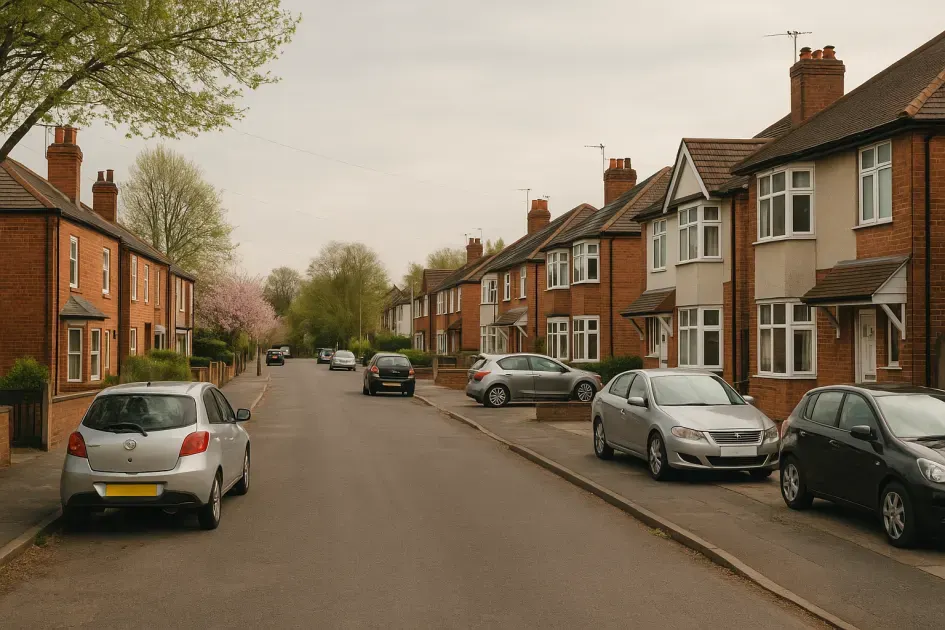
Overview — what ’best time’ means for South Nottingham
Timing a removal in South Nottingham affects more than convenience: it changes how long loaders spend on-site, whether a larger vehicle is needed because of parking constraints, and whether the job will encounter traffic bottlenecks around the city’s southern approaches. This page focuses on the local realities you’ll face when booking and planning a full-house, flat or office move in the area.
Property types and how they shape timing
South Nottingham contains a mixture of property stock that directly impacts moving time and cost:
Use removals in South Nottingham first for the core service page when timing research is only one part of the plan.
In practice, this usually connects with To balance timing with the other factors that shape the day, review moving guide for South Nottingham and packing advice for moving in South Nottingham as well..
For a parent-area overview, use Nottingham moving timing guide.
- Terraced homes — many older terraces have narrow pavements and limited kerb space, often requiring long carries from vehicle to doorstep. Expect extra labour time for repeated stair carries and to protect narrow internal staircases.
- Flats and maisonettes — converted Victorian houses and purpose-built blocks frequently rely on stair access or small lifts. Where lifts are absent or restricted by management companies, each load trip takes longer and may be limited to certain hours.
- Semi-detached houses — typically offer easier access and sometimes a driveway, reducing loading time, but neighbourhood parking controls can still force vehicles to park further away.
- New builds and developments — gated parking courts and allocated spaces speed parking but can restrict the size of moving vehicles; narrow estate roads and bollards on new developments can require smaller vans or additional hand-carry time.
Access constraints you will meet in South Nottingham
Local access issues have concrete operational consequences:
- On-street parking and permit zones — many residential pockets in the south operate controlled parking. Securing a temporary loading bay or suspension can take days and must be booked with the council; failing to do so adds time for parking checks and walking between vehicle and property.
- Narrow roads and cul-de-sacs — older streets can block larger vehicles, forcing use of smaller removal vehicles and more hand-carrying. That increases worker hours and therefore cost.
- Lifts and stairs — flat moves that rely on narrow lifts or long staircases slow the pace. If a lift must be booked through a management company, a slot restriction can create waiting time on the day.
- Loading bays and commercial frontages — commercial streets nearer the city centre may offer loading bays, but these can be busy during weekday peak deliveries; timing is essential to avoid clashes and delays.
Weekday vs weekend — how local patterns differ
Choosing a weekday or weekend move in South Nottingham depends on several local factors:
- Weekdays (best outside rush hour) — early mornings on weekdays let vehicles access major radial routes before commuter peaks, and council services that issue permits or suspensions are operating. Booking a midweek slot often reduces waiting for parking and lets the crew complete more in one day.
- Weekends — while householders prefer weekends, many neighbourhoods fill with shoppers and park users, especially near riverside and park areas. On-street parking can be more competitive, increasing the distance between vehicle and property and thereby the carry time.
End-of-month spikes, school holidays and rental cycles
South Nottingham’s demand mirrors the city’s rental and academic cycles:
- End-of-month rush — the last few working days of the month are busiest: tenancy handovers, mortgage completions and corporate lease dates cluster, increasing both demand and premium charges for last-minute slots.
- Student and rental turnover — late August to early September sees heavy activity in suburbs with high rental stock. Even if your move isn’t student-related, vehicle and labour availability tightens and prices rise.
- School holiday weeks — families target school holidays for moves. Local roads near schools will be busier during term start/end times, and morning rush windows widen around term changes, so mid-week moves during holiday periods can be slower.
Traffic patterns and local pinch points
Road movement in the southern approaches to Nottingham has predictable effects on moves:
- Radial routes into the city and the ring road carry heavy commuter traffic at peak times; allowing extra time for journeys through these corridors is essential for morning and evening moves.
- Bridges and river crossings towards the centre can be congested during events and match days, causing delays to return trips for vehicles that need to drop off or make multiple loads.
- Short diversionary routes and residential one-way systems in older suburbs increase the time taken to manoeuvre a large removal vehicle and to find suitable parking close to the property.
Seasonal and weather considerations
Weather and season in South Nottingham affect both safety and speed:
- Autumn and winter — rain and early nightfall slow loading, require tarpaulins and extra care on stairs and wet steps, and make long carries across exposed front gardens more hazardous and time-consuming.
- Spring and summer — longer daylight and dryer days speed work but also increase local leisure traffic and parking pressure, particularly near parks and riverside routes.
- Flood warnings — in rare flood-risk spells, routes beside the Trent and low-lying approaches can be restricted; contingency timings should account for possible detours or temporary access loss.
Real-world implications for time, cost and planning
Translate local constraints into practical choices:
- Allow extra labour hours when moving from terraces or stair-only flats — carries and stair descents are the biggest time sinks and directly increase costs.
- Book parking suspensions early for large vehicles. Applying late or not at all means additional time spent scouting parking on the day and longer walking distances between vehicle and property.
- Avoid end-of-month and term-start dates if you can — for the same invoiced hours you will get more efficient moves outside these peaks because crews spend less time waiting or dealing with access headaches.
- Factor in traffic windows — schedule loading around local rush hours and known event days; a two-hour delay on a job that has multiple trips can cascade into hiring extra vehicle time or a second day on site.
Practical next steps
Plan with the actual South Nottingham environment in mind: check whether the property is a terrace, flat with lift, semi-detached or a new build development; confirm parking and loading options with your council; and avoid late-August and end-of-month dates where possible. For more on how timing affects moving logistics across Nottingham, see the broader guide at Nottingham moving timing guide, and for packing tips tailored to South Nottingham properties visit packing advice for moving in South Nottingham. For local move-specific information, including typical access constraints in your street, see removals in South Nottingham.