
What drives removals costs in Central Nottingham

How Central Nottingham’s physical layout changes the cost of a removal

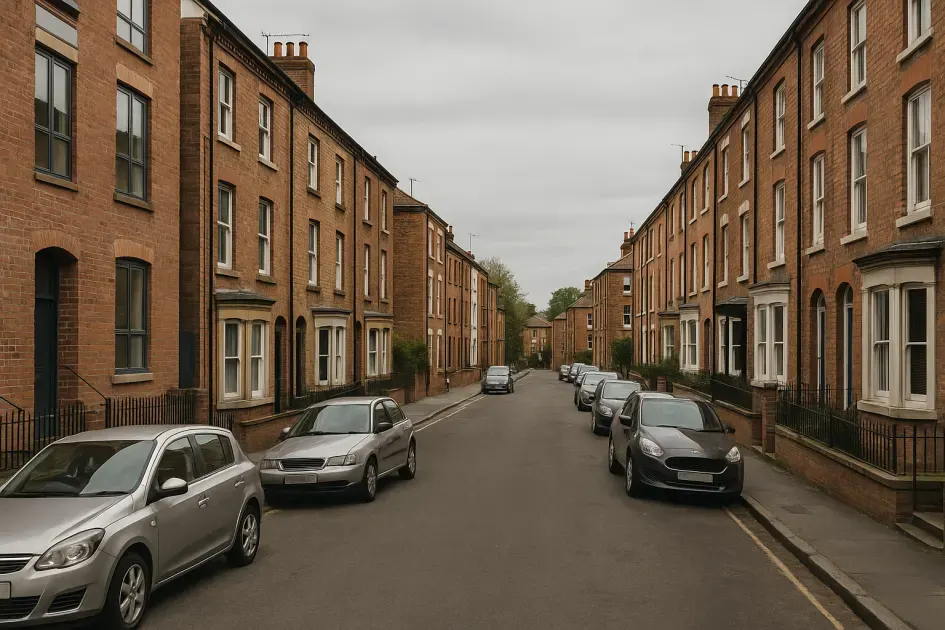
Central Nottingham is a dense mix of Victorian terraces, converted flats above shops, new-build apartment blocks and a few semi-detached properties tucked into inner-urban streets. That urban fabric — narrow lanes, listed buildings, pedestrianised zones and pressured kerb space — is what actually determines time on site and therefore the real cost of a removal, not generic per-hour rates.

For the core service page, use removals in Central Nottingham first. If you want broader context on pricing patterns across the parent area, see moving costs in Nottingham.

Property type: terraces, flats, semi-detached and new builds

Victorian terraced houses common around Sneinton and the Lace Market typically have steep, narrow stairs and no lift access. Each large item (wardrobes, sofas) takes longer to manoeuvre, increasing handling time and the chance of needing dismantling. Converted flats above shops or in mixed-use buildings on High Pavement or Fletcher Gate often have long communal corridors, small lift cars or no lift at all; that multiplies labour minutes and sometimes necessitates protective floor coverings and additional padding — all of which add time and cost.

New-build apartments along the riverside or close to the station may feature service lifts and secure loading yards, which can reduce handling time — but they come with their own constraints: scheduled lift bookings, narrow lift dimensions that force disassembly of large items, and concierge or management-company rules that require supervised access. Semi-detached houses in the inner suburbs that still sit in Central Nottingham pockets usually provide off-street parking and shorter carries, so the same move there will often be quicker and cheaper than in a mid-terrace or upper-floor flat in the city core.

In practice, this usually connects with To see where budget drift usually comes from, pair this page with hidden moving costs in Central Nottingham and property access challenges in Central Nottingham..

Access constraints: parking, narrow roads, permits and stair vs lift

Central Nottingham streets commonly have resident permit zones, time-limited loading bays and sections that are pedestrian priority. Areas such as Hockley, the Lace Market and around Old Market Square impose specific delivery windows or physically exclude vehicles at certain times. Long stops in pay-and-display bays or resident zones quickly cause parking enforcement issues.

For moves that cannot be completed within short loading windows, a formal bay suspension from Nottingham City Council is often required. That adds administrative lead time and a fee — and the crew’s schedule must include waiting for the suspension to take effect. Meanwhile, many central streets are too narrow for large vehicles, forcing crews to park legally at the nearest available bay and carry items 20–80 metres on foot through pavements, steps or cobbles. Those carry distances multiply labour time and risk of damage, and they commonly explain why central moves cost more than the same-size move in outer suburbs.

Vehicle limitations and shuttle operations

Large removal lorries are constrained by width, height and permitted access in parts of Central Nottingham. Pedestrianised lanes, low bridges and tight turning circles near the canal or historic squares mean that operators often cannot bring a 7.5-ton vehicle right to the property. The result is shuttle loading: smaller vans or tippers make repeated trips between the legal parking point and the building entrance. Each shuttle cycle adds loading/unloading time and labour; when shuttle work is required it can add 30–60% onto moving hours compared with a direct-load job.

Crew size requirements and operational friction

Crew sizing in Central Nottingham needs to factor in more than cubic metres of goods. Narrow staircases, long carry distances, doorstep manoeuvres across cobbles and the frequent need to dismantle and reassemble furniture all increase per-item handling time. A two-person crew may suffice for a ground-floor flat with immediate kerbside access, but for a typical three-bedroom terraced house with multiple flights of stairs or a fourth-floor walk-up flat, 3–4 porters are common. If shuttle runs are required or there are heavy items that can’t be safely negotiated through stair turns, an additional team member reduces total hours but increases headline labour cost — a trade-off that drives quotes in the central area.

Day-of-week, time-of-day and peak period impacts

Timing changes the calculus in Central Nottingham. Peak commuter windows (roughly 08:00–10:00 and 16:00–18:00) create traffic delays and can make offloading impossible in key streets due to bus lanes and delivery restrictions. Weekend moves coincide with higher resident activity in market and shopping areas; Saturdays during market days or student move-out weeks near Nottingham Trent University push demand and can mean premium rates or limited availability. Bank Holidays and late-evening or early-morning moves typically require overtime or special permissions, and these time-based surcharges are particularly noticeable in the constrained city-centre setting.

Real-world implications for time, cost and planning

Because of the factors above, two otherwise identical properties will often produce very different removal costs if one is a fourth-floor walk-up above a shop in Hockley and the other is a semi-detached property with a driveway just outside the inner ring road. Expect longer site times for central properties with restricted parking or stair-only access. Practical planning steps that affect price in Central Nottingham include arranging bay suspensions early, confirming lift and concierge booking windows in new builds, and allowing explicit time for shuttling when larger vehicles cannot access the street.

Where to look next

For a broader view across the city, see the Nottingham-wide moving costs page at moving costs in Nottingham. For fine-grained examples of additional charges to expect in central streets (bay suspensions, carried distance fees and building access surcharges) see the related page on hidden costs at hidden moving costs in Central Nottingham. Practical property- and street-level details for moves inside this district are collected on the Central Nottingham hub at removals in Central Nottingham.

Move size Typical range What usually affects it
Studio / small 1-bed £140–£280 permit-controlled streets with short kerb space and loading needing close timing with residents or building management and limited on-street stopping.
1–2 bed flat £260–£480 Carry distance, stair cycles, lift access and van positioning.
2–3 bed home £420–£780 Furniture volume, loading distance, disassembly needs and timing pressure.

Frequently asked questions about moving costs in Central Nottingham

Short answers to common cost concerns when moving inside Central Nottingham — covering permits, parking suspensions, lift access and timing.

Often yes. Central Nottingham streets around Lace Market, Hockley and the Old Market Square feature short-stay loading bays and resident permit zones; anything longer than quick loading usually needs a bay suspension or permission from Nottingham City Council, which adds time and a fee.

Not always. Pedestrianised sections, tight cobbled lanes and weight or width restrictions mean a 7.5t vehicle may be excluded. That forces shuttle runs with smaller vans from the nearest legal stopping point, increasing labour and time costs.

Flats above shops and Victorian conversions often lack lifts and have narrow staircases or shared corridors, which dramatically increases carry time per item compared to suburban semi-detached or new-build houses with driveways and direct vehicle access.

Weekends, end-of-month student weeks, Bank Holidays and peak commuter hours (roughly 08:00–10:00 and 16:00–18:00) raise traffic and parking challenges. Evening or out-of-hours work can incur overtime rates or require special permissions.

For a three-bed Victorian terrace with narrow stairs in Central Nottingham, 3–4 experienced porters are common. If access forces shuttle carries from a distant loading bay, an extra person or two is often added to keep the job within a practical time window.

In many cases, yes. A quieter weekday slot can reduce waiting and make access more predictable, especially where factors such as weekday commuter pressure and school-run traffic around arboretum, central fringe routes causing delays on short cross-city trips tend to create friction at busier times.