
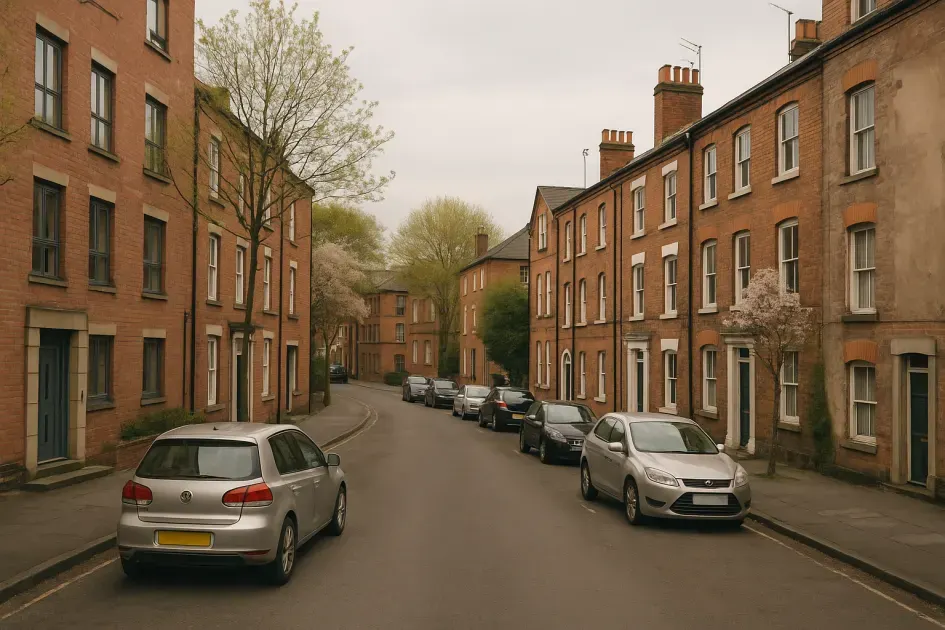
Central Nottingham is mixed: Victorian terraced houses converted into flats, purpose-built city-centre apartment blocks with small service lifts, a scattering of semi-detached properties on the inner fringe, and recent canal-side or riverside new builds. That mix creates very different practical constraints that change which days and seasons are best for a move.
removal service in Central Nottingham is the main move page for checking availability, pricing and booking details, while Nottingham moving timing guide gives the broader area view on timing and moving conditions.
Weekdays outside peak commuter hours (roughly 09:30–16:00) are often the most predictable for removals. Traffic on the inner ring road and major feeders (A60, A610) is lighter mid-morning and early afternoon, and enforcement officers typically operate a predictable schedule for parking and loading zones—useful if you need to book a short-term loading bay.
Weekends feel less congested for through traffic but are busier for pedestrianised sections around Old Market Square, Hockley and Lace Market. Weekend shoppers, markets, outdoor events and weddings at nearby venues increase footfall, which extends loading times because crews often must navigate crowds or shift parking spots frequently. If your property is on a narrow street or a cobbled lane in the Lace Market, weekend moves can take longer despite less vehicular congestion.
Central Nottingham experiences clear end-of-month demand spikes tied to private rentals and student accommodation. The last 2–3 working days of the month and the first week of the next month are busiest: many tenancy agreements and inventory checks are scheduled then. Expect higher rates, reduced vehicle availability, and longer booking lead times if you target those dates.
Timing decisions are usually easier when you this page with moving guide for Central Nottingham and packing advice for moving in Central Nottingham.
For student-heavy blocks and HMOs in central locations, the very end of August and the beginning of September is the single busiest period. If your move falls in that window and it's not your only option, postponing by a week can reduce queueing at lifts and waiting for parking significantly.
Summer (June–September) is the busiest season: family moves, students starting term, and generally better weather encourage concentrated demand. In Central Nottingham that translates to longer booking lead times and higher prices for large removal vehicles. If you must move in summer, aim for midweek mid-August or early July when demand can be slightly lower than late-August student churn.
Winter weather brings different practical issues. Heavy rain and wind increase loading times in central streets where cover is limited and stairways are exposed. Snow and black ice—while less frequent—make carrying bulky items up narrow Victorian staircases slower and riskier, meaning more padding and protective materials are needed and moves often start earlier in the day to avoid deteriorating conditions.
Central Nottingham's traffic is shaped by the inner ring road feeding into narrow historic streets. Morning and evening commuter peaks (about 07:30–09:30 and 16:30–18:30) on the A60/A610 corridors add stop–start traffic that slows larger removal vehicles. Avoid those windows for vehicle arrivals and departures when possible.
The Nottingham Express Transit (tram) lines run through the city centre and have dedicated crossings and work zones; temporary tram works or roadworks can restrict access to streets adjacent to the Market Square, and to sections of the Lace Market. Always check local traffic notices before move day—closures can force longer carry distances from the nearest legal parking to the property.
Terraced Victorian houses: Many central terraced houses have narrow external doorways and internal staircases. If you’re moving bulky furniture, early morning midweek slots reduce footfall on pavements and allow loading crews to work with fewer interruptions. Factor in extra time for manoeuvring and potential dismantling.
Flats and converted lofts: Upper-floor flats in older buildings frequently lack sufficiently sized lifts. Expect longer carry times and consider moving earlier in the day to reduce conflicts with residents returning from work. New-build blocks on the canal or riverside tend to have service lifts but these often require booking with building management—available slots may only be during weekday business hours.
Semi-detached and inner-fringe homes: These properties often have slightly better kerbside access but can sit within resident permit zones (CPZ). Confirm whether temporary loading bay permits are needed—application lead times with Nottingham City Council will affect which weekday you can actually use.
New builds and concierge blocks: Many new developments central to Nottingham operate strict service-hours for deliveries and moves, and lifts may be small or subject to booking windows. Moves that clash with concierge busy periods (mornings and early evenings) risk being delayed—midday slots during weekdays are frequently the least disruptive.
Carry distance: In pedestrianised zones or streets with loading restrictions the nearest legal parking can be 20–60 metres from a property entrance. That increases labour time and may require additional staff for safe handling—plan for at least an extra hour for every 20 metres of continuous carry distance for large homes or multiple flights of stairs.
Loading time and permits: Applying for a temporary loading bay or suspension of parking bays through Nottingham City Council can take several working days and often incurs a fee. If you miss having a permit in place, on-street loading may require moving multiple vehicles during the job, adding 30–90 minutes depending on enforcement and how congested the street is.
Restrictions and building rules: Service lift booking windows, concierge hours and restricted access for heavy vehicles can force moves into daytime weekday slots. That means you might pay a premium to secure a vehicle at those times, or you must coordinate multiple short windows which increases total move duration.
For local removals options in Central Nottingham see /removals/nottingham/central-nottingham. For broader timing strategies across Nottingham consult /removals/nottingham/moving-timing-guide and for room-by-room packing pointers check /removals/nottingham/central-nottingham/packing-advice.
Short answers to timing, permits and access for moves in Central Nottingham. For broader timing guidance see /removals/nottingham/moving-timing-guide and for packing-specific advice see /removals/nottingham/central-nottingham/packing-advice.
Weekdays outside rush hours are usually easier to schedule and can be cheaper because demand from tenants and students is lower than on weekends. However, if your property requires day-time access to service lifts or a loading bay permit, midweek removals may incur extra admin—plan for permit applications that can take several working days.
End-of-month (especially the last two working days and the first week of a new month) brings a pronounced spike in demand in Central Nottingham due to tenancy turnovers and contract start-dates. That drives up prices and reduces available vehicle slots; book at least 3–4 weeks ahead if you must move at month end.
Yes. Late August to mid-September is a local peak because of student arrivals and academic leases starting. School half-terms and summer holidays increase family moves too, so these periods are busier and more likely to conflict with restricted parking or busy pedestrian areas.
Nottingham Express Transit routes and the pedestrianised Old Market Square area shape traffic and access. Tram works, scheduled maintenance or temporary route changes can limit vehicle access on key corridors such as Market Street, Goldsmiths Street and along the Lace Market. Expect detours and plan extra loading time.
Because of parking restrictions, pedestrian zones and often long carry distances from legal parking, add at least 1–3 extra hours to a standard house move in Central Nottingham. Moves from upper-floor flats with narrow stairs or small lifts can add further time for dismantling and staging.
As soon as the date is fixed. Late timing decisions are one of the easiest ways to invite avoidable friction into the move.