
South Tyneside removals: practical moving guide

Overview — planning a move in South Tyneside

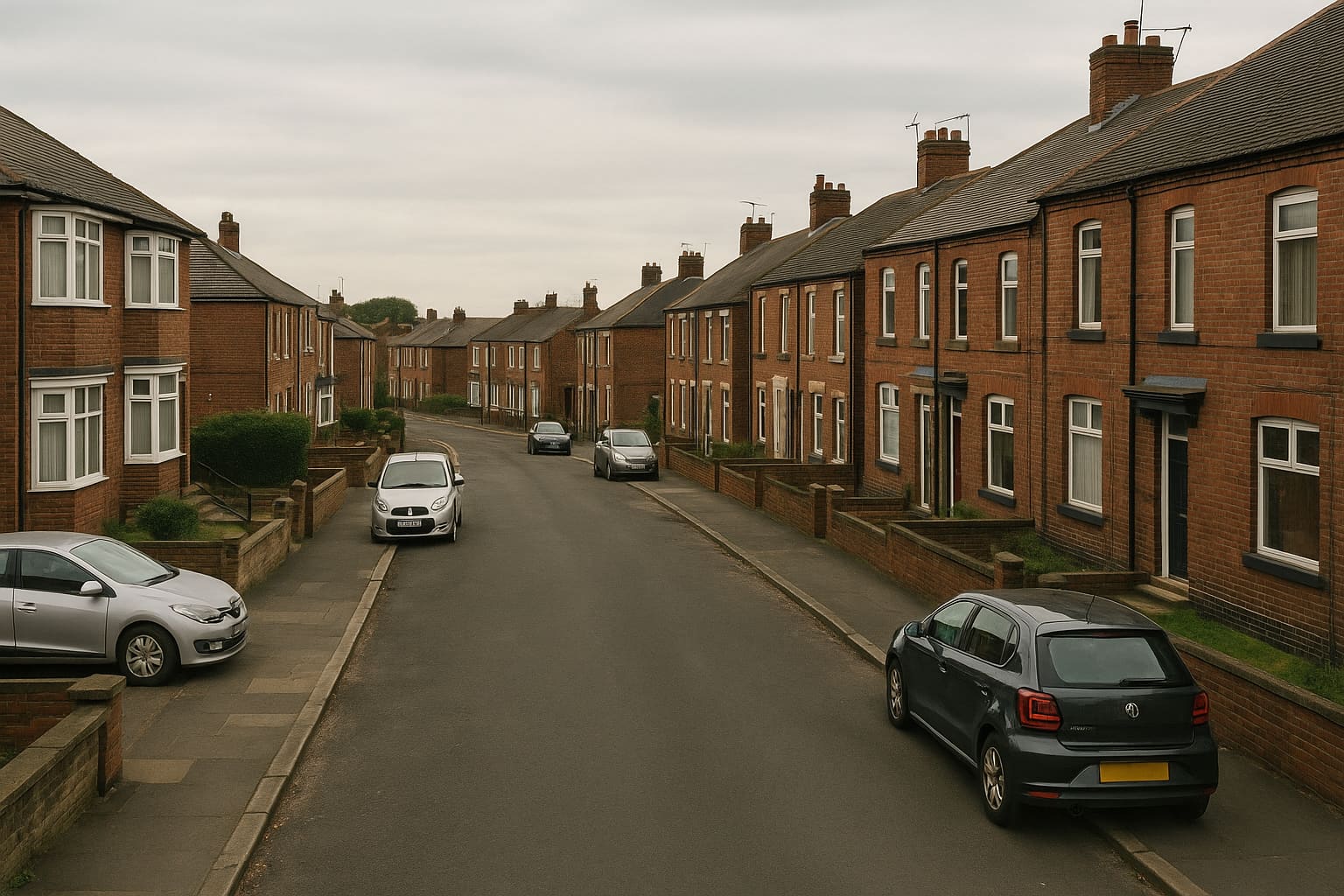
South Tyneside covers a mix of coastal towns, older industrial suburbs and newer estates. Practical planning has to reflect local physical realities: narrow terraced streets in Hebburn and parts of South Shields, pedestrianised stretches and market areas in the town centre, riverside and coastal exposure, and estate roads in newer developments. Use the area guide at Newcastle area guide and the local removals page at South Tyneside removals service for wider context.

When you want the main move page rather than general guidance alone, start with South Tyneside removals service and use Newcastle area guide for the broader regional picture.

What this guide covers

Step-by-step actions from pre-move checks through move-day logistics, with location-specific notes about property types, access, operational friction and realistic implications for time and cost in South Tyneside.

1. Pre-move preparation — inspect with the area in mind

Walk the route you plan to use on the day and note physical constraints that are common locally:

  • Property access: many Victorian terraces and converted flats in South Shields and Hebburn have narrow porches, back alleys and internal staircases — measure doorways and stair widths before committing to a moving date.
  • Vehicle access: coastal promenades and parts of the Old Town are pedestrian-friendly; large removal trucks often cannot get right up to the property and will need to park on a nearby street.
  • Parking controls: town centre controlled bays, resident-only streets and loading restrictions are common — check for permit zones or short-stay loading bays that may need a temporary suspension.

If you foresee access problems, note them on any booking forms and arrange any necessary council permissions at least 2–3 weeks in advance to avoid last-minute shuttles.

You will often need to consider To turn the general guide into a tighter move plan, connect it with moving costs in South Tyneside and property access challenges in South Tyneside. at the same time.

2. Booking timeline — when to lock in crew and vehicle

Timing affects availability and cost in South Tyneside because of local traffic patterns and seasonal demand.

8+ weeks before

For larger homes and office moves, start enquiries early. Popular move dates (month-end, weekends) fill first and the need for suspension of parking bays or traffic management requires lead time with South Tyneside Council.

3–4 weeks before

Confirm vehicle size against the access survey you did. If a large vehicle cannot reach the property because of narrow estate roads or turning restrictions on cul-de-sacs (common in newer estates around Boldon and Cleadon), plan for a smaller vehicle plus shuttle runs — this increases labour and time.

1 week before

Finalise arrival windows to avoid peak commuter traffic on A19/A194 and potential congestion at the Tyne crossings if moving across the river. If you need a suspended bay, ensure permits are displayed as instructed by the council.

3. Packing considerations — protect items for the local environment and access constraints

Packing decisions should reflect property type and route constraints:

  • Flats in converted Victorian buildings: break down large items where possible. Narrow staircases and small lift doors are common; disassemble beds, wardrobes and some sofas to avoid lengthy staircase manoeuvres.
  • Coastal properties and seafront apartments: salt air increases corrosion risk. Wrap metal fittings and electronics tightly in moisture-barrier protection while in storage or when parked outside for loading.
  • New-build estates: some estate roads have parking restrictions and landscaped verges that cannot bear heavy vehicles. Pack and label heavy items so they can be moved directly to a ground-floor access point if the vehicle cannot approach the door.
  • Label carries by floor and by stair run — this reduces time on the day when multiple trips between the vehicle and property are needed due to limited parking.

4. Move-day logistics — manage local friction points

On the day, local issues determine how long things actually take. Anticipate and plan around them:

Parking and loading

If a suspension permit was secured, mark the bay with signage and confirm times. If not, plan for a walking carry from where legal parking is available — typical carry distances in terraced South Tyneside streets add 5–20 minutes per trip and multiply quickly across households.

Stairs and lifts

Converted flats often have tight stairwells and low-headroom landings. Each flight of stairs increases handling time and crew fatigue — factor extra manpower or split loads to keep flows smooth. If a lift is present, check dimensions first; small lifts may require an itemised lift plan and padding to avoid damage.

Traffic and route timing

Allow extra travel time for A19/A194 bottlenecks at peak times and for the Tyne crossings if your route uses them. Congestion can push a local move from a 3–4 hour job into a full day when combined with loading restrictions and shuttle runs.

Weather and coastal exposure

Strong coastal winds and rain are frequent on the seafront. Use waterproof covers and secure tall items. Wind can slow hoisting and external manoeuvres, so schedule heavier lifts for calmer parts of the day if possible.

5. Area-specific planning tips

  • South Shields town centre and Old Town: expect pedestrianised stretches and market activity. Plan loading times outside peak footfall hours and check for short-term restrictions that prohibit vehicle access.
  • Hebburn and older Jarrow terraces: anticipate narrow rear alleyways and limited forecourts. Measure alley widths and consider protection for boundaries and gates during carries.
  • New build cul-de-sacs (e.g. parts of Boldon and Cleadon): confirm turning circles and residents’ parking bays. Some roads cannot accept a 7.5–12 tonne vehicle and will require a smaller truck which increases the number of trips.
  • Riverside and quayside addresses: quayside loading areas may be available but are subject to local controls and tidal considerations for businesses near the river. Verify availability ahead of time.
  • Short-notice moves during summer weekends: South Tyneside’s coastal attractions increase parking demand. If moving in summer, book earlier and plan for limited on-street parking near the seafront.

For detailed, location-specific obstacles inside properties see property access challenges in South Tyneside.

6. Time and cost implications — realistic expectations

Every access issue translates into time and therefore cost. Examples to help plan:

  • Narrow-street carry: extra 30–90 minutes for repeated short carries; expect labour time to rise accordingly.
  • Shuttle from distant parking: each shuttle adds vehicle turnaround and loading time — budget an additional hour per shuttle cycle.
  • Stairs instead of lift: add 10–20 minutes per large item per flight; for three-bedroom terraces this can add several hours overall.
  • Permit or bay suspension delays: late approvals can force ad hoc parking which increases handling time and risk of parking fines; confirm permits early to avoid overtime charges.

Final checklist before moving

  • Measure doorways, stair widths and lift dimensions where applicable.
  • Confirm parking controls and arrange any temporary bay suspensions with South Tyneside Council well in advance.
  • Label heavy items for priority handling and pack fragile items with coastal exposure in mind.
  • Plan arrival times to avoid A19/A194 peak traffic and busy footfall periods in South Shields town centre.
  • Allow contingency time for shuttle trips, stair carries and weather-related slowdowns.

Using this South Tyneside-focused checklist will reduce surprises on move day and give a clearer picture of realistic timing and likely costs for full-house, flat or office moves in the area.


Frequently asked questions about moving in South Tyneside

Short answers to common practical questions when planning a full-house or office removal in South Tyneside — focused on access, timing and council requirements specific to the area.

Possibly. Many town-centre streets and parts of South Shields, plus some residential areas, have controlled parking, loading bays or resident-only zones. If the removal vehicle needs a reserved space outside your property for loading, arrange a temporary bay suspension or contact South Tyneside Council early — failure to do so can lead to park-and-shuttle operations that increase time and cost.

For older terraced areas (common in Hebburn and parts of South Shields Old Town) expect 25–50% extra handling time. Narrow pavements, short forecourts and alleyways mean longer carry distances and more stair runs, which add to labour time and may require additional crew.

Many purpose-built modern blocks have lifts, but converted Victorian buildings and low-rise flats often lack them or have small lifts that won’t take large furniture. If lifts are unavailable or too small, anticipate stair carries which increase hourly time and therefore total cost.

Yes. South Shields and coastal stretches face strong winds and salt-laden air. Expect wet or windy conditions that slow loading/unloading and require extra protection for furniture and electronics. Allow contingency time on windy days and choose secure, covered loading where possible.

Because each support page isolates a different friction variable. Together they help you plan the move in South Tyneside more realistically before returning to the main booking path.

Return to the main service page once the logistics are clear and you are ready to progress the actual booking path. Planning pages should support that step, not compete with it.