
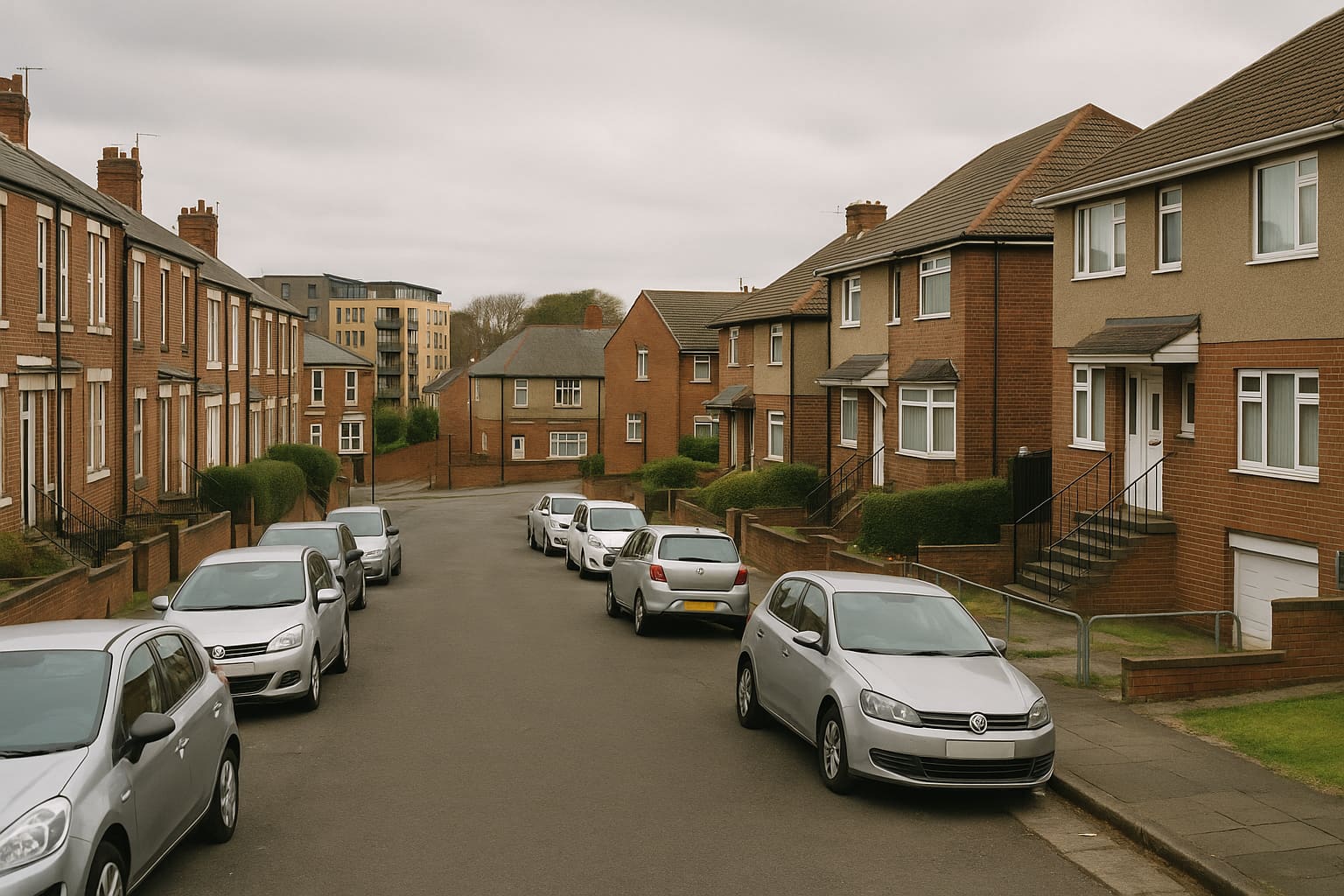
Gateshead's mix of Victorian terraces, riverside apartments, suburban semis and new‑build estates creates a wide range of practical challenges. This guide walks through the realistic steps you should take to plan a house, flat or office move in Gateshead so you can schedule time, labour and cost around local constraints.
removals in Gateshead is the main booking page for checking availability, pricing and move details in one place, while Newcastle area guide gives the wider regional context that supports this guide.
Start with the property type and street layout. In Gateshead these are decisive:
Book time with the removal company or transport planner after you know: exact address, number of bedrooms/stores, lift availability, whether any items need disassembly and preferred crossing routes over the Tyne. These specifics determine vehicle size and crew hours.
For the supporting detail behind the move itself, compare this guide with moving costs in Gateshead and property access challenges in Gateshead.
When to act and what to expect in Gateshead:
Real‑world implication: missing a permit or bay booking commonly adds 30–90 minutes per trip and can double labour time if a van must park further away and shuttle items by hand trolleys.
Packing choices affect handling and the feasibility of using lifts or stairwells:
Operational friction: extra disassembly and repacking adds hours to the job but saves the high cost of on‑day complications when furniture won’t fit stairs or lifts.
Plan the day to manage Gateshead's traffic patterns, loading restrictions and building rules:
Real‑world implication: a single extra 45–90 minute delay on move day in Gateshead (caused by parking or lift issues) typically increases total move costs due to crew overtime or an additional journey.
Concrete local tips that change how you plan:
For more detail on characteristic property issues in Gateshead see property access challenges in Gateshead, and for broader regional planning that affects routing and timing consult the Newcastle area guide at Newcastle area guide. If you want an overview of local services and neighbourhood differences in Gateshead, start at the parent page removals in Gateshead.
Answers to common Gateshead-specific moving questions — parking suspensions, stairs and lifts, riverside access and expected additional time or costs.
Many terraced streets and parts of Gateshead town centre have restricted kerb space or pay-and-display bays. If you need to reserve a space directly outside a property, apply for a parking suspension from Gateshead Council as early as possible — allow several working days for processing. Failing to secure a suspension can add walking distance, extra carrying time and potentially penalty charge notices.
Riverside flats often sit behind pedestrianised promenades and may rely on lifts that are limited in size. Expect longer loading/unloading cycles and possible queuing if the building requires lift bookings. Add at least 1–2 extra hours for loading logistics compared with a ground-floor move.
Many older terraces and conversion flats in Gateshead have narrow, steep stairwells. Narrow stairs increase carry time and may require smaller items to be taken apart. Operationally this raises labour hours and therefore cost — factor in slow, steady carries and extra handlers for safety.
Main road crossings like the Tyne Bridge and A167 routes carry heavy traffic at peak times. While large vehicles can cross, routing a wide truck through city‑centre bridges and one-way systems can cause delays. Plan routes to avoid rush hour and factor in toll-free but congested crossings which add to driving and loading time.
New-build estates around Team Valley and newer riverside blocks usually have allocated loading bays and secure lobbies, but these bays can have restricted hours and booking requirements. Confirm building rules early — restrictions can force staged moves or off-site loading which increases total handling time.
Return to the main service page once the logistics are clear and you are ready to progress the actual booking path. Planning pages should support that step, not compete with it.