
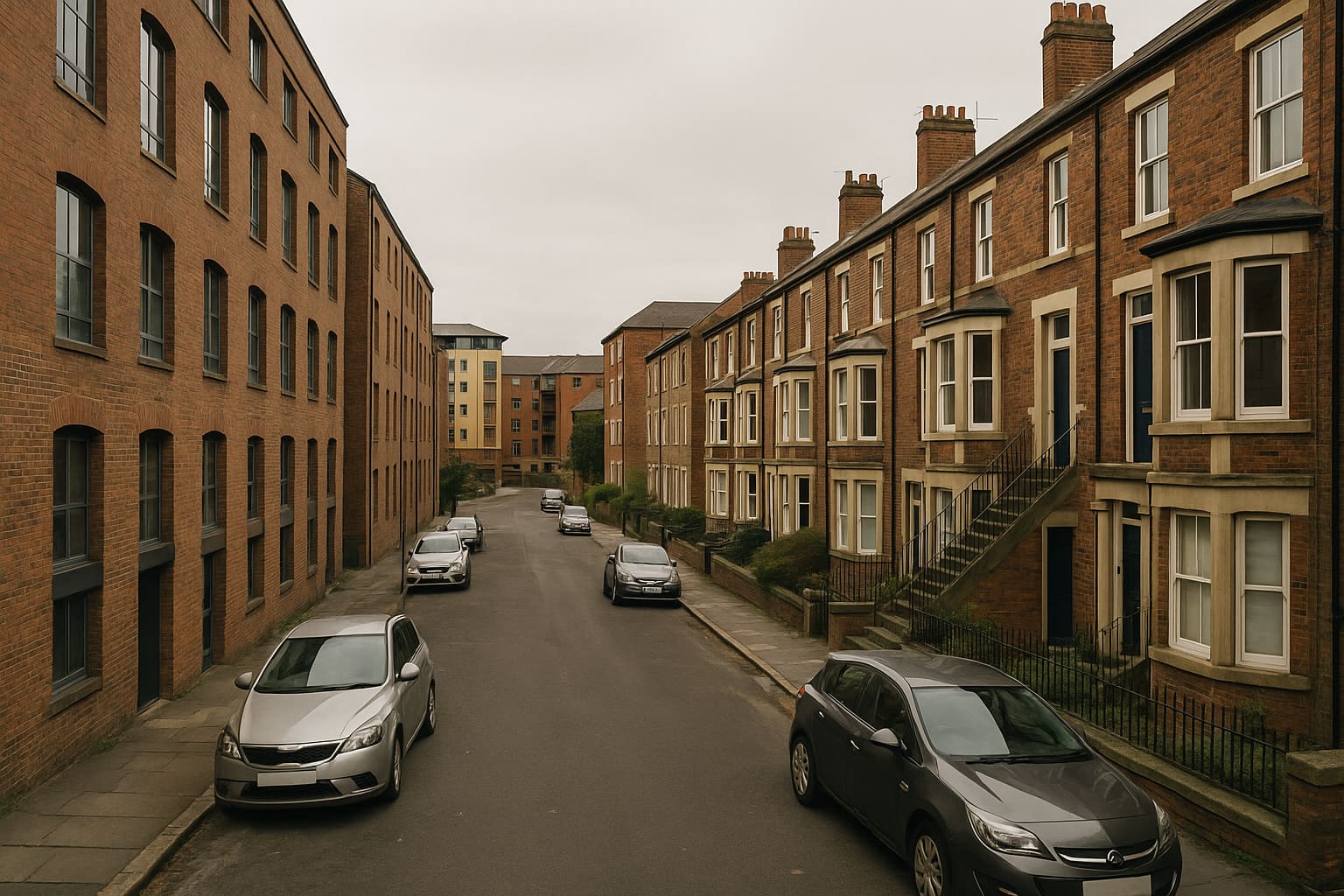
Central Newcastle combines tightly packed terraces, Victorian flats above shops, and modern apartment blocks near the Quayside and Grey Street. That mix creates a specific set of logistical challenges: short or regulated loading bays, narrow cobbled approaches, buildings with no lift or small service lifts, and controlled access times enforced by building managers and the council. This guide walks through a practical, step-by-step plan so time, cost and operational friction are anticipated and managed.
Use removals in Central Newcastle first for the core service page when you want the clearest next step from general guidance to booking.
For the wider picture across the area, refer to Newcastle area guide.
In practice, this usually connects with This overview works best when read alongside moving costs in Central Newcastle and property access challenges in Central Newcastle..
Identify the exact property types involved. Terraced houses in Grainger Town and areas off Grey Street usually have narrow internal staircases and limited street access. Purpose-built flats near the Quayside or St Nicholas area often have lifts, but measure the lift car and any door openings — large sofas, wardrobes and mattresses may not fit. New-build courtyard developments can appear to have good parking but often require gated access codes or concierge booking.
Start by mapping the access constraints: measure doorways, stair widths and lift interiors. Request parking suspensions from the council and check building move rules. If moving during popular windows (end of tenancy, student term start in September), secure a removals slot early — 8–12 weeks is prudent.
Confirm move windows with landlords or building managers and reserve hire vans or removals crews. Decide on any furniture dismantling needs and arrange specialists for oversized items. If a parking bay suspension is required, apply now — councils often take several weeks to process and charge for short-term suspensions.
Reconfirm arrival time, parking arrangements and any gate codes or concierge details. Print a simple floor-plan and inventory for the crew showing what comes from which room; this saves time on the day and reduces loading errors in narrow city properties.
Given narrow staircases and cobbled approaches, anything bulky or fragile needs extra protection. Wrap corners of Georgian banisters, pad antique furniture likely to rub against stone stair walls, and use mattress bags when carrying down external steps.
If the vehicle must park on a nearby service road or the van must be left at a legal bay, expect carries of 20–100 metres from door to vehicle. Pack heavy items into smaller boxes to reduce strain on crews and to keep moving flows steady — reducing time spent on each item lowers labour charges tied to on-site time.
Allow time for the crew to set up: load protection in corridors, stair runners on delicate floors, and placement of wheelie boards over cobbles. Where a parking suspension has been agreed, arrive early to place signage. Account for an initial 30–60 minutes of set-up in restricted-access properties.
Many central developments restrict move times and require the use of service lifts only. Feeding this information to the movers in advance avoids delays when a lift is reserved for another purpose. Also plan quiet-carry procedures for early mornings or late evenings to avoid complaints in thin-walled terraces and flat conversions.
These areas have heritage buildings with tight staircases and protected surfaces. Expect disassembly for large pieces and allow extra padding around banisters and cornices. Loading close to the building is often not possible for large vehicles — plan for short but slow hand-carried moves to a nearby parking bay.
Quayside developments combine modern lifts with narrow access roads and busy pedestrian traffic at peak times. Coordinate move times to quieter weekday mornings where possible and verify loading/unloading access with any gated or concierge-controlled entrances.
Properties above retail units often have narrow rear alleyways and deliveries set at specific times. Confirm with shop tenants and consider weekend moves if authorised — though many high-street moves require advance notice to avoid blocking local deliveries.
These can look straightforward but often impose strict move-in windows, require prior booking with management, and may mandate the use of protective floor coverings. Some introduce parking courtyards that are gated or require permit access, so confirm gate codes and vehicle height restrictions in advance.
Inspect communal areas and the property with photos to document condition before handing back keys; many city-centre blocks charge for damage to lifts, corridors or shared floors. Return any temporary parking signage as instructed and check whether any shared-bin areas or recycling centres in the new property require special instructions.
For more information about services and wider area considerations, refer to the Central Newcastle removals overview at removals in Central Newcastle and the broader city context at Newcastle area guide. For building-specific access issues see the related page on property challenges in Central Newcastle: property access challenges in Central Newcastle.
Practical answers focused on Central Newcastle realities: access, timing and what to plan for when moving houses or offices in the city centre.
For city-centre moves book at least 4–8 weeks in advance. If moving around student handover periods (late August–September) or the end of the month, allow 8–12 weeks. Central Newcastle has limited crew availability at peak times and many buildings restrict move slots, so early booking avoids premium rates and slot conflicts.
Often yes. Central Newcastle has short-stay loading bays, residents' zones and pedestrianised streets. For a vehicle to stop directly outside properties it is common to arrange a temporary parking suspension or loading dispensation from Newcastle City Council. Without it the crew may need to park legally some distance away, increasing carry time and cost.
Many Georgian and Victorian terraces around the centre have narrow, winding staircases that make moving sofas and large furniture difficult; some modern apartment blocks have lifts but their internal dimensions can be too small for certain items. Expect additional handling time for disassembly, careful manoeuvring over cobbles, and possible use of hand carries through communal areas.
Allow added time for parking set-up, long carries and building rules—typically an extra 1–3 hours on top of basic loading/unloading. Labour uplifts for stair carries or long carries are common and can increase the overall job cost by 10–25%, depending on distance, flights of stairs and restricted access.
Because each support page isolates a different friction variable. Together they help you plan the move in Central Newcastle more realistically before returning to the main booking path.
Return to the main service page once the logistics are clear and you are ready to progress the actual booking path. Planning pages should support that step, not compete with it.