Best time to move in North London

When it’s easiest to move in North London

Mid-week, mid-month slots cut the friction

For full-house or office moves in North London the quietest windows tend to be mid-week (Tuesday–Thursday) during the middle two weeks of the month. Many residents and renters avoid moving at the very start or end of the month, so demand — and therefore competition for loading bays and large trucks — is lower. In practice this means shorter loading windows on narrow streets in areas such as Highgate, Archway and parts of Islington where parking is limited and crews can get closer to the front door.

Late mornings (after rush hour) and early afternoons

Traffic on the main arteries that feed North London — the A1, Holloway Road, and routes towards the North Circular (A406) — is heaviest at commuter peaks. Starting a move after the morning rush (around 10:00) reduces time stuck idling on busy junctions and makes it easier to secure temporary parking near terraced houses and converted flats with long carry distances.

removals in North London is the main move page for checking availability, pricing and booking details.

Timing decisions are usually easier when you this page with moving guide for North London and packing advice for moving in North London.

For a broader regional view, see London moving timing guide.

When it’s hardest to move in North London

End-of-month and bank-holiday weekends

The last few working days of every month and the first two days of the next are consistently the busiest. Rental turnover in North London drives high demand for removals teams, particularly Fridays and Saturdays at month-end. That demand compounds operational friction: fewer available crews, full morning slots, longer loading waits when a truck cannot park immediately, and higher prices from suppliers who prioritise standard booking patterns.

Summer school holiday peaks

Semi-detached houses and family homes in suburban pockets of North London (e.g., parts of Barnet-facing suburbs and around Muswell Hill) see many family moves during July–August. School holiday demand creates a double pressure: removals firms book early, and local streets around primary and secondary schools are busier with drop-offs and sports activities, which can add 20–40% to journey times on any given day.

Access constraints and how they change timing

Property types and loading realities

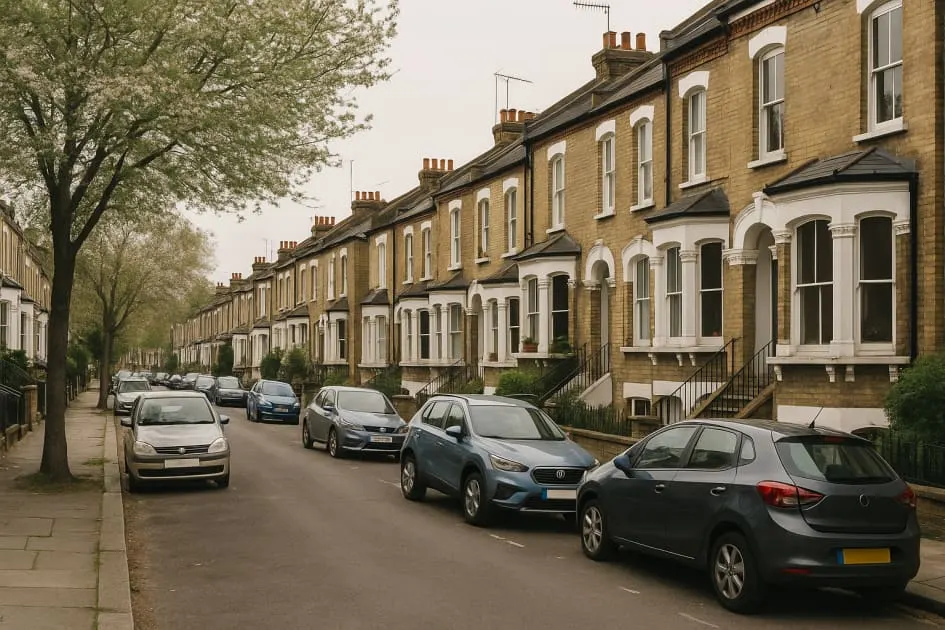
Terraced houses: Victorian terraces in Camden and Islington commonly have no driveway or off-street loading. Expect long carry distances from kerb to front door and additional time for stair carries — particularly for narrow staircases where larger furniture must be manoeuvred in stages.

Converted flats: Many North London conversions lack lifts; even where a lift exists it can be small or shared. Moves from first- and second-floor flats often double carry time compared with ground-floor properties and are best scheduled later in the day if lift use must be coordinated with neighbours.

Semi-detached and houses with drives: Some properties in outer North London have driveways, which speeds loading. However, local one-way systems and narrow turning circles near estate roads (for example in residential pockets off Seven Sisters Road) still require planning for truck access.

New builds and gated developments: New-build blocks often provide service yards or loading bays, but gated access and estate management rules can restrict timing to specified windows. Booking access with the development manager days in advance prevents waiting on-site and unexpected authorisation delays.

Parking, permits and local enforcement

Many North London streets fall inside Controlled Parking Zones with strict enforcement hours. For a large removals vehicle you might need to request a bay suspension from the council; this can take a week or more to process and normally carries a fee. Without a suspension crews may have to park on single yellow lines where allowed, increasing risk of tickets and elongating loading as crew members shuttle items further along narrow pavements.

Traffic patterns that affect timing

Rush hours and trunk routes

Morning and evening peaks on the A1, Holloway Road and routes into central London add predictable delays. If your move crosses the North Circular or uses arterial routes toward central London, allocate extra transit time and avoid starting during 07:30–09:30 or 16:30–18:30.

Local street congestion and event days

Markets, football fixtures near Finsbury Park and sporadic roadworks can make residential side streets congested even when main roads are clear. In North London, a stall or event on a local high street can convert a normally quick corner into a lengthy detour — so check local event calendars and the Council roadworks page when planning.

Seasonal effects and weather considerations

Summer: heat, higher demand and roadworks

July–August is peak moving season driven by family moves and student turnover in shared houses. Expect full booking schedules, higher prices and more roadworks that accompany summer utility projects. Heat also slows manual handling; crews will factor more breaks and water stops into their schedules.

Autumn and winter: rain, short days and icy steps

Wet weather and early sunsets increase loading time on the stone steps and narrow entryways common to North London terraces. Icy conditions on flagged paths make stair carries slower and require protective flooring and extra crew time to secure items safely. Morning starts become more practical in winter to maximise daylight, but beware of morning rush-hour congestion.

Practical timing choices and next steps

Combine local knowledge with practical steps

For a smoother move in North London choose mid-week dates in mid-month where possible, avoid commuter peaks on the A1 and Holloway Road, and apply for any necessary bay suspension from the council in good time. For details on local packing and access-specific preparation see packing advice for moving in North London, and for broader timing principles consult the London-wide guide at London moving timing guide. If you want area-specific operational details, start by checking parking rules and service-yard access with the landlord or estate manager and consult the local borough’s CPZ page linked from removals in North London.


Frequently asked timing questions for North London moves

Short answers to common timing and planning questions for moves in North London, reflecting local access, traffic and seasonal patterns.

Weekdays (mid-week) are generally easier because demand for large removals crews and parking suspensions is lower than on weekends. However, weekday rush hours on A1, Holloway Road and around Finsbury Park cause peak-time delays, so plan loading outside 07:30–09:30 and 16:30–18:30 where possible.

End-of-month dates — especially the last Friday and the 1st — see sharp demand spikes from tenants and landlords across North London. Expect higher prices, limited morning slots and earlier booking requirements during these periods.

Yes. Many streets in North London are Controlled Parking Zones (CPZs). For a large removals vehicle you often need a bay suspension from the local council; apply at least 7–10 working days ahead. Failure to arrange a suspension increases loading time if you must park further away.

Summer holidays (late July–August) are the busiest for family moves in North London. Easter and half-terms also raise demand. If you’re moving with school-age children, expect limited slot availability and factor in longer queues around primary schools at morning/afternoon drop-off times.

Autumn and winter bring rain, shorter daylight and occasional ice on stone steps typical of Victorian terraces — all increase loading times and require extra protective kit. Summer heat can slow crews and raise traffic from local events. Book extra time and protective covers accordingly.

As soon as the date is fixed. Late timing decisions are one of the easiest ways to invite avoidable friction into the move.