Packing advice for Central London removals

Packing for Central London moves: practical, location-specific guidance

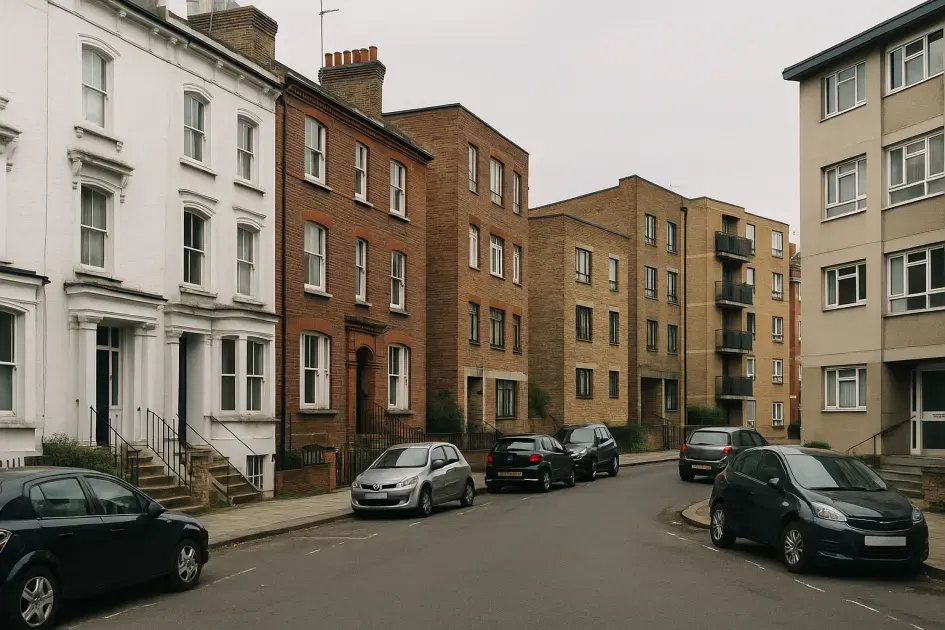
Central London properties range from narrow Victorian terraces and flats above shops to modern new-build blocks with concierge lifts. Each type brings different access and handling challenges — packing choices should reflect whether the move involves tight mews, communal courtyards, small service lifts or long stair carries.

Packing for stairs and flats

Many Central London flats sit above shops or in converted terraces with steep, narrow staircases and short landings. For these properties:

removals in Central London is the main booking page for checking availability, pricing and move details in one place, while London moving timing guide gives the wider regional context.

For the next planning step, this issue with best time to move in Central London and moving guide for Central London so the booking page can stay focused on the actual move rather than duplicate planning detail.

  • Limit individual box weight to 10–15 kg for stair carries — heavier boxes slow down moves and increase the risk of injury on winding steps common in older terraces.
  • Pack frequently used items and fragile boxes towards the top of stacks so they can be staged last and carried first into the property when the stairwell access is clear.
  • Use soft-sided bags for bulky but light items (linen, cushions) that are easier to manoeuvre on tight turns than stiff boxes.
  • Disassemble furniture where possible and label each part with its destination room and the stairwell it should travel up — many flats have multiple entrances or rear service stairs in Central London.

Protecting items for longer carry distances

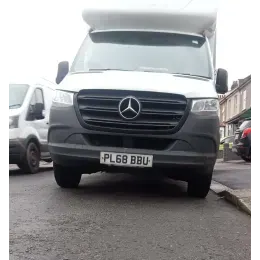
In Central London it is common for the removal vehicle to park some distance from the front door: restricted kerb space, gated courtyards and one-way systems often force longer carries. To mitigate damage and speed:

  • Wrap furniture corners with heavy-duty cardboard and moving blankets; shrink-wrap protects fabric items and keeps bits together during multiple carries.
  • Double-box delicate items and use foam or crumpled paper to fill voids — longer walking routes over cobbles or pavement edges increase the chance of impact.
  • Put small fragile items in clearly marked inner boxes so they can be carried separately on foot if a trolley cannot reach the entrance.
  • Keep weatherproof covering and sealed plastic bags ready; short distances across open courtyards expose items to rain more than inner-London street moves.

Efficient labelling and loading for constrained streets

Central London loading often occurs from metered bays, short-term loading bays or private courtyards. Efficient labelling and a logical loading plan reduce unloading time and additional parking charges:

  • Label by room, carry route and priority (e.g. 'Kitchen — priority 1 — rear courtyard') so loaders know where to stage boxes for the shortest carry at destination properties where rear entrances are used.
  • Number boxes and maintain a simple inventory that maps numbers to rooms; in narrow mews it’s common to stage bundles per landing to avoid repeated stair climbs.
  • Load the vehicle with the furthest-in items first and those needed immediately at the destination last. In Central London, where re-parking or swapping vehicles may not be practical, this prevents wasted time unloading then reloading on the street.
  • Consider protective floor runners and stair socks for carriers in older buildings with delicate finishes — these are particularly important in listed terraces and high-end apartments.

Preparing for tight access and awkward loading positions

Many Central London properties face mews lanes, narrow service entrances or basement steps that standard vans cannot reach. Packing and preparation should reflect this:

  • Measure door frames, courtyard entrances and lift car interiors well ahead of the day. Note any gates, bollards or height-restricted access that could force a longer carry from a permitted parking bay.
  • Break down items to components that can be carried around corners or through narrow archways; pack small parts in labelled bags attached to the disassembled item.
  • Plan for additional handling time when a carry includes narrow cobbled mews or basement steps — allow extra labour and factor this into the move timeline because each awkward carry can add 10–20 minutes or more depending on distance.
  • If external lifting is necessary (for example, over a high front facade into a first-floor flat), start permit enquiries early: Central London local authorities often require advance notice and fees for hoisting or suspended scaffold on a public highway.

Time, cost and planning implications specific to Central London

Packing decisions have direct operational consequences in Central London. Narrow access and permit-controlled loading increase handling time and can raise costs:

  • More, lighter boxes and extra protective packing increase the number of carries and loading cycles — budget extra time on moving day for each carry and potential parking enforcement delays.
  • Longer carry distances from the vehicle to the property create higher labour requirements; staging boxes by priority and reducing average box weight improves speed and lowers risk.
  • Permit windows, resident bays and congestion factors mean moves are most efficient when scheduled and packed to match the available unloading location. See the broader timing considerations at London moving timing guide and plan around local loading restrictions described on the Central London removals page removals in Central London.

For specific advice about timing, see also best time to move in Central London, which sets out how parking restrictions and local delivery windows affect when to schedule a move in Central London.


Common questions about packing for Central London moves

Answers focused on the realities of moving in Central London — narrow staircases, limited loading space and permit windows — with practical packing and planning tips.

Keep boxes to 10–15 kg for stair carries in older Central London terraces and Victorian conversions. Narrow, steep or winding staircases and short landings common in this area make heavier boxes unsafe and slower to handle, increasing carry time and therefore move cost.

Use padded blankets, shrink-wrap for corners, double-box fragile items and waterproof sacks for last-mile exposure. In Central London moves, vans often park in a nearby bay or on a mews rather than outside the door, so items face longer carry distances over cobbles, across communal courtyards or down alleyways — protection prevents scuffs and water damage.

Label boxes by room, priority and carry route (for example: 'Kitchen — ground floor via courtyard'). Colour-code or number boxes and attach a simple carry plan indicating which entrance or stairwell each box must use. In Central London, multiple entrances (rear service doors, gated courtyards, loading bays) are common: clear labels reduce confusion and loading/unloading time.

Measure and photograph doorways, stair widths and lift interiors early. Many terraces and mews have narrow doors or low-rise staircases; disassemble bulky items and protect components individually. For properties with courtyard parking or tight mews access, plan for extra handling time and possible use of specialist external lifting which requires council permits and advance planning.

Yes. Controlled parking zones, resident bays and short-term loading windows are common in Central London. Pack in a loading-priority order so the first boxes off the vehicle are the last to go into storage in the new property. Factor in time to walk boxes from permitted parking to the entrance — longer carry routes mean fewer, lighter boxes per carry and a potentially higher labour cost.

The exact answer depends on the access route, loading position, building type and timing conditions in Central London, but clear planning is usually the simplest way to reduce friction and avoid surprises.