Best time to move in Sefton

When moving in Sefton is easiest

For most full-house, flat or office moves across Sefton the quietest windows are mid-week mornings (Tuesday to Thursday) outside peak holiday periods. These slots avoid commuter peaks on the A565 and the heavy HGV flows heading to the docks and Port of Liverpool access roads around Seaforth. In practice that means arrivals between 08:30 and 10:00 on a non-holiday weekday reduce time spent queuing for loading or slipping into restricted parking bays.

removals in Sefton is the main move page for checking availability, pricing and booking details, while Liverpool moving timing guide gives the broader area view on timing and moving conditions.

Why mid-week works here

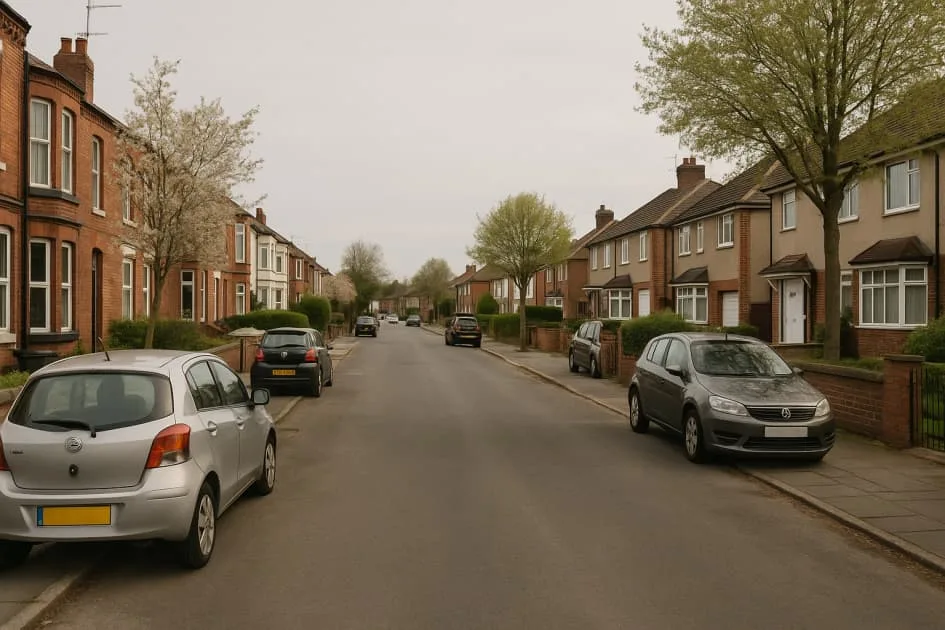
Sefton combines urban suburbs (Bootle, Litherland) and busy coastlines (Southport, Crosby). Weekday mornings outside school terms have lower tourist numbers in coastal centres and fewer deliveries from local businesses, so parking and kerbside space near terraced streets and semi-detached suburbs is easier to secure. New-build developments on former docklands also free up service lifts and bays mid-week, reducing waiting time for lift access and loading restrictions.

When moving in Sefton is hardest

The most difficult moving periods are the last week of the month, school holiday weeks (especially late July–August), summer bank holidays and busy coastal weekends. These times combine high rental turnover, family moves, tourist traffic and council parking enforcement — a recipe for longer loading times, more carry distance between parked vehicles and front doors, and higher operational costs.

End-of-month spikes and rental cycles

Sefton follows the UK-wide tenancy pattern where many leases end on the last working day of the month. The final three days and the first two of the next month produce concentrated demand for vehicles and crews. On these dates expect delayed start times due to site congestion, slower turnaround at tight terraced streets in Bootle and Waterloo, and potential premium charges from logistics operators because of limited availability.

Timing decisions are usually easier when you this page with moving guide for Sefton and packing advice for moving in Sefton.

Weekday versus weekend — local trade-offs

Weekdays: expect enforced parking restrictions, daytime delivery vehicles and commuter flows towards Liverpool and the motorway network (M57/M58). Residential streets in areas such as Formby and Ince Blundell can still be calm mid-week, but assembly points for large removals often require council permit or bay-booking in advance.

Weekends: less commuter traffic on radial routes, but coastal towns in Sefton, notably Southport and Crosby, draw heavy weekend visitors in fair weather. Parking becomes scarce and council wardens are active in town centres; narrow promenades and seafront roads increase the distance crew have to carry items from vehicle to property. For moving into a seaside flat or a terraced house near the promenade, non-summer weekend slots can be worse than weekday mornings.

Traffic patterns and operational friction specific to Sefton

Major local routes such as the A565 and B5422 carry commuter and freight traffic: mornings 07:30–09:30 and late afternoons 16:00–18:30 see predictable congestion. The A5036/Seaforth approaches to the port have heavy lorry movement at various times, and that creates unpredictable delays for long-wheelbase removal vehicles turning into Bootle and the Orrell area. Narrow residential streets in older pockets — South Road terraces in Bootle, Church Road in Waterloo — restrict vehicle length and require additional manual handling, which adds measurable hours to an operation.

Access constraints that increase time and cost

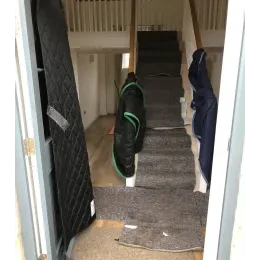
  • Terraced houses: narrow frontages and step-up entrances in older Sefton terraces often force stair carries and single-file movement, increasing crew time per item.
  • Flats: many traditional flats above shops or in Victorian conversions lack lifts; even modern blocks have small service lifts with booking windows. Long internal corridors add carry distance and slow cycles of loading/unloading.
  • Semi-detached and new builds: suburban semi-detached properties in areas like Netherton offer better kerbside access, but cul-de-sac layouts and estate parking restrictions can push vehicles away from the door — creating longer carry distances.

Seasonal and weather effects to plan for

Coastal weather matters in Sefton. Strong west-to-northwest winds common in late autumn and winter increase loading/unloading time on exposed streets in Formby and Crosby — tarpaulins and furniture wraps take longer to secure. Sea spray and sand near the promenade mean extra cleaning and protective measures for upholstery. Heavy rain in winter also creates muddy approaches in some older streets and can slow stair carries where steps become slippery, so crews allocate more time and protective floor coverings.

Real-world planning implications

Picking the right date in Sefton reduces operational friction: choose mid-week slots outside school holidays, avoid end-of-month dates and coastal event weekends. Factor in extra crew hours for stair-only flats in Bootle or for long carries from parking in Southport’s town centre. If moving into a new-build apartment, confirm service-lift booking windows and loading-bay permit processes with the managing agent well ahead of time.

For further detail on local restrictions and timing across Liverpool and neighbouring areas, see the broader timing guide at Liverpool moving timing guide, and for packing-related planning specific to Sefton check packing advice for moving in Sefton. For local operational considerations and booking windows in Sefton consult the main removals hub at removals in Sefton.


Frequently asked questions about moving in Sefton

Short answers to common timing and logistics questions specific to Sefton — covering parking, school holiday demand, ferry and port traffic, and access for terraces, flats and new builds.

Weekends can be quieter for commuter traffic but are busier in coastal spots like Southport and Crosby during summer weekends. Mid-week mornings (Tuesday–Thursday) outside school holiday peaks usually minimise road congestion, permit issues and waiting time for loading bays.

The last three days of the month and the first two of the next see heavy demand across Sefton — more crew waiting, limited booking slots and longer loading/unloading turnaround. Expect higher fees for late-month dates and an extra hour or two for queuing and paperwork in tight streets.

Yes. Strong winds and sea spray at Formby, Crosby and Southport can make outdoor moving slower, wet and slippery. Heavy rain increases carry times on terraced streets and in conservation areas where mud and wet decking require extra protective work and drying time.

Victorian terraces and walk-up flats in Bootle and Waterloo often lack lifts and have narrow hallways, so allocate more crew hours for stair carries and protective sheeting. New-build apartments with lifts still face restricted service doors and loading bay booking windows — factor these into arrival times.

Avoid summer bank holidays and late July–August if possible. School holiday weeks attract family moves in Sefton and tourist traffic to coastal towns, increasing journey times, parking difficulty and overall operational friction.

Yes. Nearby events, nightlife or major local activity can reshape how smoothly a move runs. In Sefton, timing is a logistics decision, not decorative calendar theatre.