Best time to move in North Liverpool

When it’s easiest to move in North Liverpool

North Liverpool is most straightforward for removals on midweek mornings outside school holidays and away from match days. Starting before 09:00 on a Tuesday, Wednesday or Thursday gives you a window before commuter peaks on Queens Drive and County Road build up, reduces competition for limited on-street loading space, and avoids the weekend surge linked to family schedules.

Use removals in North Liverpool first for the core service page. For wider parent-area timing context, see Liverpool moving timing guide.

Why midweek mornings work here

  • Major routes such as Queens Drive (the inner ring) and Walton Road are quieter before 09:00, cutting drive and turnaround time.
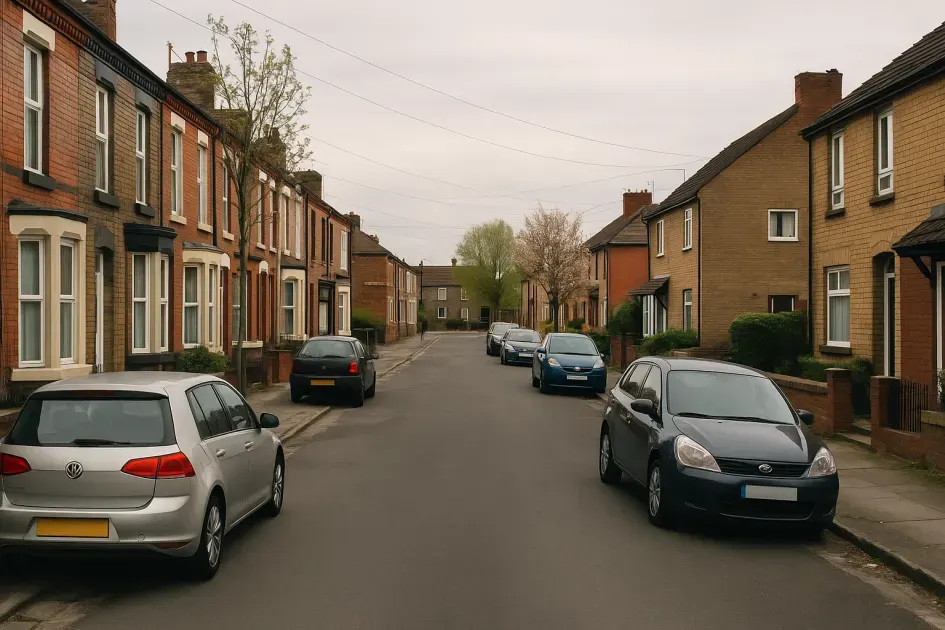
  • Many terraced streets in Kirkdale, Everton and Anfield have double‑parked cars by mid-morning; an early start lowers the carry distance from van to front door.
  • Local estate management and new-build parking courts are typically less busy on weekdays before residents return from daily commitments.

When it’s hardest to move in North Liverpool

There are predictable bottlenecks that make some days much harder and more expensive. Avoid match days around Anfield and Goodison Park, the last week of the calendar month, weekends during school holidays, and weekday peak hours (approximately 07:30–09:30 and 16:00–18:30).

Match days and event disruption

On match days the area around Anfield and Goodison Park experiences stewarded road closures, temporary parking bans and heavy pedestrian flows. These conditions can force vans to park further away — 50–200m increases in carry distance are common — which translates to longer labour time and potentially another crew member or extra hours charged by the hour. If moving near the stadiums, check the fixture list and local traffic notices, or choose a non-match day.

End-of-month and rental-cycle peaks

Landlord turnovers and tenancy agreements tend to finish at the end of the month, so the final week (and especially the last two working days) sees a concentration of bookings. This raises prices and reduces available slots. For rented flats in tower blocks and low-rise blocks common in parts of North Liverpool, this also increases waiting time for lifts and loading bays, adding 30–90 minutes to job times in tight buildings.

In practice, this usually connects with To balance timing with the other factors that shape the day, review moving guide for North Liverpool and packing advice for moving in North Liverpool as well..

Property types and access constraints in North Liverpool

North Liverpool’s housing mix — Victorian terraces, low-rise flats, semi-detached houses and pockets of new-build estates — creates distinct operational challenges that change which days and times are sensible to move.

Terraced streets (Kirkdale, Everton fringes)

Terraced homes often have no off-street parking, narrow front doors and short front gardens with steps. Vans frequently cannot park immediately outside, producing carry distances of 15–60m across parked cars. That extra carrying increases loading time and labour cost. Moving midweek early reduces the chance of parked cars blocking access.

Flats and maisonettes

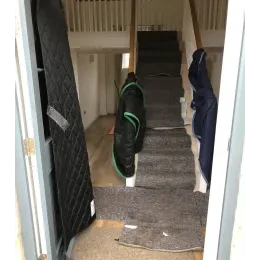
Low-rise blocks in North Liverpool commonly have tight stairwells and small lifts. Stair carries add friction — moving a two-bedroom flat up three flights can add 1–2 hours versus a ground-floor job. Avoid scheduling lifts during peak visitor times for the block (evenings and weekends), and be aware some service lifts have strict size limits that require advance measurement and planning.

Semi‑detached and new builds

Semi‑detached houses and newer developments often have driveways or parking courts that reduce carry distance, but they also sometimes enforce delivery times or have gated access that needs coordinating. New-build estates reduce on-street parking friction but can have narrow estate roads that slow large vehicles, so mid-morning weekday slots remain preferable.

Traffic patterns and local routing

Local traffic shape timing decisions: Queens Drive acts as a busy ring road and is congested at commuter peaks, while Walton Road and County Road carry steady local traffic. Avoid routing heavy vans through narrow residential streets at rush hour where parked cars constrict passage.

Rush hours and routing tips

  • Morning rush: 07:30–09:30 — expect longer drive times to and from North Liverpool and more pressure on parking near shopping parades.
  • Evening rush: 16:00–18:30 — increased inbound traffic and slower returns to depots; finish early if possible.
  • Match/event days — allow large buffers for diversions and stewarded areas especially around Anfield and Walton; sometimes matches cause controlled street access up to two hours before kickoff.

Seasonal and school-holiday effects

Summer is the busiest season: families prefer to move during the long school break, and student tenancy turnovers in the wider city push demand in July–September. Mid‑term and half‑term weekends in autumn and spring also raise local demand because parents use breaks for moves. Plan and book earlier for any move in July–September and over school holiday weekends.

Weather and its real impact

North Liverpool’s winter rains and occasional high winds near the Walton coastal corridor increase handling time. Wet conditions make stair and step carries slower and unsafe for bulky items, adding 20–50% to carry times. Frost and ice on older terraces’ steps add safety risks and likely require de-icing or alternate timing in the daytime.

Real-world implications for time, cost and planning

Choosing the wrong day in North Liverpool translates directly into more crew hours, parking complications and longer carries. Expect the following practical outcomes:

  • Parking restrictions or match-day diversions can add 30–120 minutes to a job and increase labour costs.
  • End-of-month bookings commonly require earlier reservation windows and attract premium pricing due to demand.
  • Bad weather and stair carries raise physical handling time — budget extra crew hours or an earlier start to keep to the same schedule.

Practical next steps

For a deeper timing overview for Liverpool as a whole, see the city guide at Liverpool moving timing guide. For North Liverpool-specific operational details and parking considerations, the local removals page is removals in North Liverpool, and packing tips tailored to flat and terrace moves are at packing advice for moving in North Liverpool. Use those resources to pick an off-peak midweek morning where possible, avoid match days and end-of-month turnover windows, and allow extra crew time for stairs, long carries and poor weather.


Frequently asked questions about moving in North Liverpool

Short answers to common timing and logistical questions specific to North Liverpool — including parking, match-day disruption and how seasonality alters move durations.

Weekends are popular with household moves because people have time off, but expect higher demand, especially Saturday mornings. Traffic is steadier than weekday peak hours, yet parking on terraced streets can be worse with residents at home. For the shortest overall working day and fewer parking problems, midweek mornings that start before 09:00 are usually the most efficient.

Yes. Match days generate road closures, stewarded parking zones and heavy pedestrian flows around Anfield and Goodison Park. Moves scheduled on match days can face diversion, zero-availability for roadside parking, and longer carry distances — plan to avoid home or destination within a 1–2km radius on match days or rearrange to very early starts.

Like elsewhere, the last week of the month sees a spike in removals and rental handovers across North Liverpool. Availability of time slots tightens and crews charge more for peak dates. If possible, book at least three weeks in advance for end-of-month moves and allow extra buffer time for building checks and keys handovers.

Victorian terraces (common in Kirkdale and parts of Everton) often have narrow frontages, steps and no off-street parking — early midweek starts reduce parking conflict. Low-rise flats and social housing blocks have stair carries that slow moves, so avoid rush-hour lifts; new-build estates with parking courts allow more flexible timing but can be affected by estate delivery hours.

Yes. Heavy rain and wind increase carry time on uncovered street routes and make steps and garden paths slippery — expect slower loading/unloading by 20–50% in sustained bad weather. Winter frost or icy steps around older terraces adds risk and will lengthen the job, so allow extra crew time or choose a milder day where possible.

As soon as the date is fixed. Late timing decisions are one of the easiest ways to invite avoidable friction into the move.