
Leicester Removals Area Guide
How removals conditions vary across Leicester
Leicester’s neighbourhoods range from dense central streets and apartment blocks to suburban semis and new-build estates. This guide connects local access patterns and property types to practical removals planning, so you can schedule the right crew, vehicle, and loading approach.
For availability, vehicle sizing, and booking, start at the main Leicester removals page. For deeper planning topics, see Moving Costs and the Leicester moving timing guide.
Neighbourhood access patterns
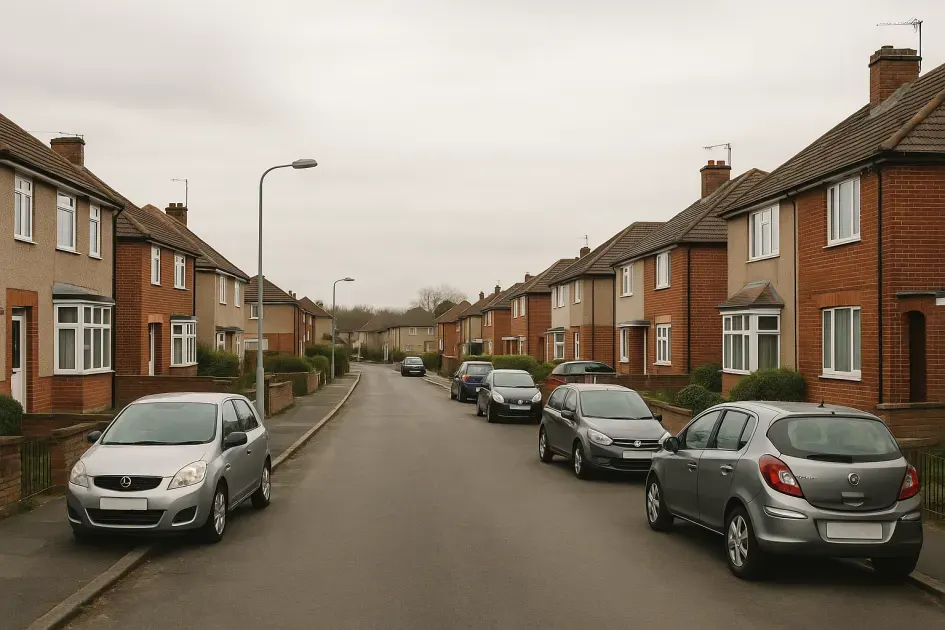
City-centre streets often have timed loading, bus lanes, and short-stay bays—great for quick loading if scheduled accurately, but they require punctual arrivals and clear instructions. Suburban areas can be easier for parking yet still need coordination when drives are shared or kerbs are high. Cul-de-sacs may need smart vehicle positioning to avoid blocking exits and to keep carry distances short.
Property and loading differences
Victorian terraces may have narrow doorways, steps, and tight internal turns—use mattress bags, door protection, and a plan for sofa rotation. Apartments bring lifts and loading bays that often need pre-approval and timed windows. Semis and detached homes usually allow closer van access, but garden items, sheds, and loft contents can add unplanned volume and trips.
How to plan for different move types
Flats: confirm lift booking, loading-bay rules, and key/fob access; measure bulky items and consider dismantling. Houses: reserve driveway space or cones for the van, and pre-stage garage/shed contents. Long-distance moves: lock in early-morning loading to avoid traffic pinch-points and build in rest-break tolerance for arrival estimates.
City-wide baseline: where time is lost
Time is commonly lost to permit checks at the kerb, unexpected carry distances, stair-only access when a lift is offline, and late access to keys. School-run traffic and event timings can widen travel windows; align your loading start with quieter periods where possible.
Eight local variables that change removals planning
1) Parking permissions and bay control
Check permit zones, visitor permits, or timed loading. Share bay numbers or photos and arrange cones or a vehicle to hold space if allowed.
2) Carry distance and elevation
Measure the path from van to door, including courtyards or internal corridors. Lift availability and size directly affect loading rate.
3) Stairs and internal layout
Narrow stairs, low banisters, and tight corners need extra protection and sometimes partial dismantling for wardrobes or sofas.
4) Crew size and vehicle choice
Inventory volume, access width, and road layout set whether a 3.5t or larger vehicle is efficient and how many loaders are optimal.
5) Timed windows and building rules
Some blocks enforce lift pads, booking forms, and strict loading slots. Align arrival and finish within those windows to avoid rebooking.
6) Traffic timing and routing
Plan around school runs and peak corridors. Add buffer time for roadworks or match-day congestion where relevant.
7) Item preparation and packing
Pre-packed, labelled boxes and dismantled beds reduce handling time. Special items (pianos, aquariums) need advance method statements.
8) Weather and surface conditions
Wet days increase slip risk and pad use; protect entrances and consider boot trays and extra floor runners for polished or tiled halls.
Practical planning checklist
- Confirm parking permissions and reserve a space at both ends.
- Book any lift or loading bay and share building rules in writing.
- Measure tight turns and doorways; dismantle where needed.
- Label boxes by room and stage them near the main exit.
- Align start time with quieter traffic periods and key handover.
Scenario examples
Example 1: Central Leicester apartment with a small lift: pre-book a two-hour loading window, pad the lift, send fob access details, and start early to secure the bay.
Example 2: North Leicester terrace with street parking: hold a kerb space the night before (where permitted), use door and bannister protection, and rotate sofas through the rear yard if the hallway is tight.
Example 3: South Leicester new-build semi: back the van onto the drive, prioritise garage and shed items first, and protect new floors with runners before moving white goods.
Apply neighbourhood context
Use these focused pages to translate the above principles into local actions and checks:
- Central Leicester Moving Guide
- Central Leicester property access challenges
- North Leicester Moving Guide
- North Leicester property access challenges
- South Leicester Moving Guide
- South Leicester property access challenges
For timing and cost planning alongside this local planning guide, explore Leicester access and property guide and the Leicester moving timing guide.