
Packing advice for moves in West Leeds

Packing for the specific realities of West Leeds

West Leeds covers a variety of housing stock — Victorian terraces in Armley and Kirkstall, flats above Bramley shops, semi-detached houses in Stanningley and newer estates on the town fringe. Each property type and street layout creates different packing needs. Read on for targeted, practical packing strategies that reduce handling time and protect your belongings given the local access constraints.

When you need the main booking page, start with West Leeds removals service.

Property types and their packing implications

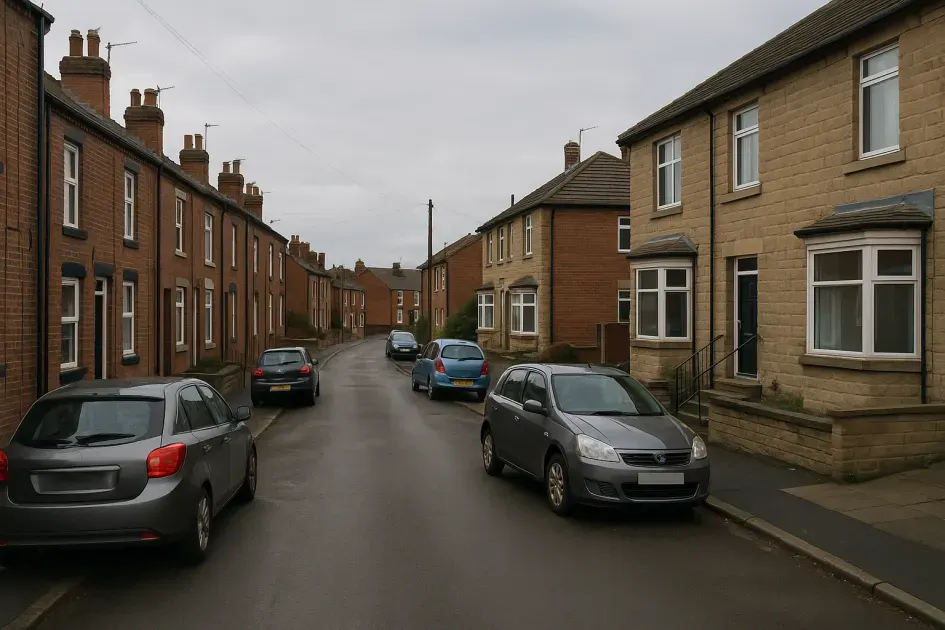
Terraced homes: Narrow frontages and inward-facing layouts common on terraces along Kirkstall Road and in Armley mean long internal carry routes and tight doorways. Pack heavier items into smaller boxes to keep each carry manageable and label boxes with floor number; plan to stage boxes close to the front door to avoid repeated trips through the house.

For a parent-area overview, use Leeds moving timing guide.

You will often need to consider To keep planning practical rather than repetitive, connect this page with best time to move in West Leeds and moving guide for West Leeds. at the same time.

Flats: Purpose-built blocks in Bramley and older conversions often lack lifts or have narrow stairwells. For walk-up flats, use soft-sided laundry sacks for bulky, lightweight items (linen, cushions) and smaller, reinforced boxes for books and kitchenware. Mark boxes with 'flat X' and the floor to avoid misplacement in shared lobbies.

Semi-detached houses: Shorter carries to the vehicle but often with garden gates and steps. Protect wooden floors and banisters with runners and corner protectors when moving large furniture through porches or internal vestibules common on semi-detached plots.

New builds: Cul-de-sacs and estate layouts in newer developments restrict van access and turning. Disassemble furniture where possible and use stackable boxes that can be moved across short grass verges and tight driveways without rehandling.

Packing for stairs and flats — practical steps for West Leeds walk-ups

Expect no lift in many Bramley and Armley conversions. For each item, ask: will it safely be carried down a spiral or dog-legged stairwell? Use the following location-aware tactics:

  • Limit box weight to a maximum you can carry comfortably down narrow stairs — 18–22kg for single-person carries in twisting flights typical of older terraces.
  • Pack fragile kitchenware with double-layer protection and mark 'fragile — stairs' so handlers know to take extra care on flights with tight landings.
  • Use protective padding on banisters and corners; many West Leeds staircases have ornate timberwork that can catch fabric or scratch furniture.
  • Stage boxes on landings when possible to create steady handover points; avoid blocking communal stairways in flats above shops to keep public access clear.

Protecting items for longer carry distances and muddy approaches

In parts of West Leeds near the canal or where houses back onto towpaths and narrow service lanes, carries can pass over damp, uneven surfaces. Protect belongings accordingly:

  • Use waterproof mattress and furniture covers for moves involving towpaths, especially when rain or frost makes surfaces slippery and muddy.
  • Wrap electronics in anti-static bubble and use sealed plastic tubs if they will be carried across open yards or cobbled alleys common behind older terraces.
  • Pad box bases with cardboard and secure with heavy-duty tape if boxes will be dragged short distances across gravel or grit, reducing the chance of splitting during a long carry.

Efficient labelling and loading for narrow streets and permit zones

West Leeds streets often leave little room for sorting at the kerb. Good labelling reduces time spent juggling boxes on pavements with passing traffic:

  • Label by room, floor and weight: 'Kitchen — 1st fl — heavy' or 'Bed 2 — Flat 3 — light'. This helps prioritise what goes into the vehicle first and what must be unloaded first at the destination.
  • Use colour-coded tape or a large marker visible from a distance — useful on busy High Street sections in Bramley or congested residential roads in Armley.
  • Pre-assign a loading order that follows the route: items for upstairs at the destination go to the back of the vehicle if the van will park near the house, avoiding re-handling on narrow pavements or single-lane streets.

Preparing for tight access, awkward loading positions and parking controls

Many West Leeds roads are narrow and may have resident permit bays or single yellow lines. Operational friction here directly affects time and sometimes cost:

  • Check for resident permit zones and apply for temporary bay suspensions in advance if the vehicle must park outside your property. Failing to do so can result in longer carry distances from a legal parking spot or a parking fine that delays the move.
  • On streets with limited kerb space—common in inner-West Leeds near Kirkstall—weigh up paying for a short-term parking suspension versus allowing for the extra labour and time of extended carries from a nearby main road.
  • For properties with tight loading positions (front gardens with low walls, short drives or two-tier entrances), disassemble bulky items and pack furniture into protective wraps sized for stair and corridor widths so items can be manoeuvred through narrow gates or side alleys.

Real-world implications for time, cost and planning

Packing choices in West Leeds change move duration materially. Expect these local impacts:

  • Stair carries and long distances from legal parking add 30–100% more handling time than a straightforward driveway-to-van move. For a three-bedroom terrace with narrow stairs expect an additional 1–3 hours of handling time on average.
  • Permit applications or bay suspensions may add an administrative step (and a fee) but can cut handling time enough to be cost-effective, especially on streets where parking is restricted midday.
  • Failing to pre-pack fragile items for long carries increases risk of damage and delays; insurance claims and re-packing take time after the move, so investing in proper protective packaging upfront reduces downstream costs.

Links and next steps specific to West Leeds

For local operational details for your street, see the main West Leeds removals overview at West Leeds removals service. If timing affects parking availability and Labour planning, consult the Leeds moving timing guide and the local considerations on when to schedule a move in best time to move in West Leeds.

Use these West Leeds–specific packing tactics to reduce handling time, protect belongings on longer carries and to avoid delays caused by narrow streets, permit zones and awkward loading points.


Frequently asked packing questions for West Leeds moves

Short answers to common packing questions when moving in West Leeds neighbourhoods such as Bramley, Armley, Kirkstall and Stanningley. Each answer highlights local access or operational constraints.

Use smaller, dense boxes (20–25kg max) and secure fragile contents in separate marked boxes. Wrap corners of furniture and leave pathways clear; allow extra time for each flight—expect stair carries to add 30–60% to handling time compared with ground-floor moves.

Yes. Use waterproof covers and plastic-wrapped mattresses for canal-side carries where towpaths and mud can contaminate items. For cul-de-sacs with no direct vehicle access, double-wrap lower cupboards and label bottoms to avoid repeated opening during multi-drop carries.

Label by room and weight, plus floor number and 'stairs' flag (e.g., 'Kitchen — 2nd fl — heavy'). For multi-occupancy Victorian buildings, include flat number and a colour code visible from a distance to reduce time spent sorting on narrow pavements.

Restricted parking bays, residential permit zones, narrow terraced streets and low driveway gates increase carry distance and handling time. These factors often mean booking extra labour time and possibly a suspension permit for loading, which should be arranged in advance to avoid delays.

New-build cul-de-sacs often have tight turning circles and parking restrictions for large vehicles. Break down large items into flat-packed components where possible, and pack heavy items in small boxes so they can be carried across driveways and through compact entrance lobbies.

The exact answer depends on the access route, loading position, building type and timing conditions in West Leeds, but clear planning is usually the simplest way to reduce friction and avoid surprises.