Packing advice for moves in East Leeds

Packing for East Leeds: property types and access realities

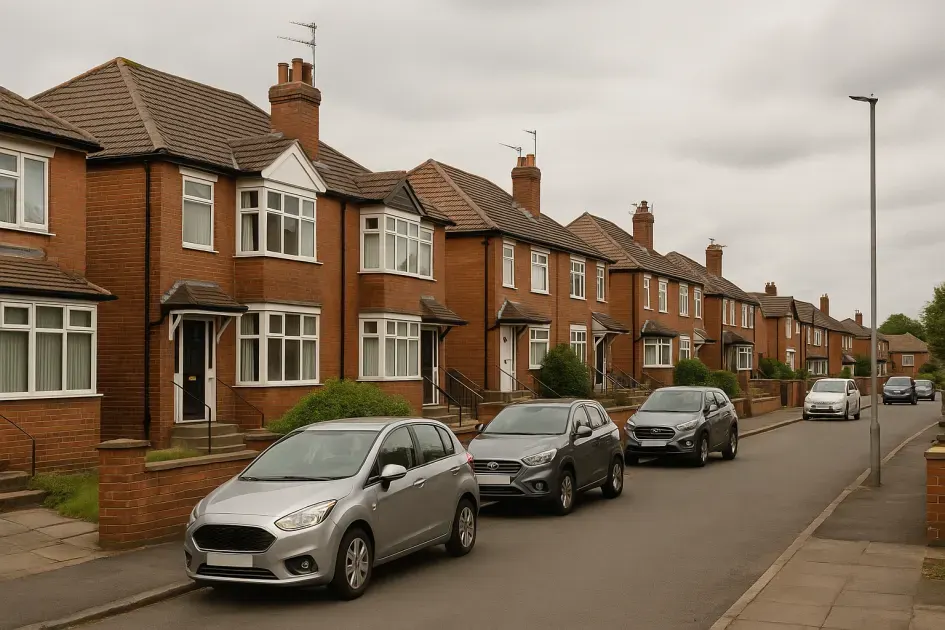
East Leeds covers a range of homes — Victorian terraces close to the city fringes, mid-20th-century flats and semi-detached houses in suburban pockets, and newer build estates with cul-de-sacs and private drives. Each of these property types creates different packing and handling needs: terraces often mean narrow doors and steep, twisting staircases; older flats can lack service lifts and have communal corridors; semi-detached homes frequently have short driveways but tight front gardens; new builds may have limited turning space for large removal vehicles or shared parking controls.

removals in East Leeds is the main booking page for checking availability, pricing and move details in one place.

For a parent-area overview, use Leeds moving timing guide.

Packing for stairs and flats

In inner East Leeds terraces and older flat conversions, staircases are the main constraint. To avoid repeated lifts through narrow flights:

For the next planning step, compare this issue with best time to move in East Leeds and moving guide for East Leeds so the booking page can stay focused on the actual move rather than duplicate planning detail.

  • Use small sturdy boxes (12–15kg max) for staired carries — lighter boxes reduce pause time on each step and lower injury risk on winding staircases commonly found in terraced streets.
  • Disassemble beds, flat-pack bookcases and table legs beforehand. Note the size of stair turns and measure large items against the stairwell width — many Victorian terraces have tighter landings than modern builds.
  • Pad banisters and door frames with moving blankets and use corner protectors on large furniture to prevent scuffs in tight passages.
  • Label boxes with floor and room (e.g., ‘1F — Bedroom 2’) so carriers know where to stop while negotiating communal corridors and staircases in purpose-built flats.

Real-world implication: expect longer handling times where lifts aren’t available — plan at least an extra 30–45 minutes per upstairs flight for a two-bedroom flat in a terrace, and budget accordingly for additional labour or time slots.

Protecting items for longer carry distances

Some parts of East Leeds (for example estate layouts around outlying suburbs or newer developments with gated access) force long carries from parked vehicle to door. For these situations:

  • Double-wrap delicate items: bubble plus blanket — repeated handling over paving, gravel or uneven paths increases abrasion risk.
  • Use wardrobe boxes for hanging clothes to avoid re-ironing after long carries and to make them stackable for transport across long distances.
  • Secure electronics in their original boxes where possible, then surround with padding. For TVs, use rigid TV boxes and face the screen inward; long carries over kerbs and thresholds transmit shocks that can crack screens.
  • Consider wheeled transit crates or heavy-duty dollies for repeated long shuttles across estates — these save time and reduce bruising on items and carriers in locations with long approach walks.

Real-world implication: extra packing materials and protective boxes are a worthwhile cost when carries exceed 30 metres; they reduce damage risk and avoid time-consuming on-the-day repairs or re-packing.

Efficient labelling and loading for constrained streets

Narrow roads and permit parking are common in many East Leeds neighbourhoods. A tight loading lane means every second saved on the pavement reduces the chance of parking tickets and blocked traffic. Pack and label with this in mind:

  • Adopt a room + floor label system and add coloured tape per room to speed visual sorting in cramped loading bays. This is especially helpful on terraced streets where vehicles must be unloaded on the roadside and moved quickly.
  • Load the vehicle in reverse delivery order: load items for the top floor last so they are offloaded first. In East Leeds terraces with narrow parking, this minimises re-handling in a limited unloading footprint.
  • Prepare an essentials box marked clearly and keep it separate — if access is difficult, this box should be the first item left at the new property so occupants can access toiletries and basic kitchenware despite ongoing unloading across restrictive spaces.

Real-world implication: smart labelling and the right loading order can shave 20–40% off total carry time on tight streets, reducing the amount of time a vehicle needs to occupy restricted parking space.

Preparing for tight access and awkward loading positions

Tight access in East Leeds comes in many forms: narrow terraced streets with double-parked mornings, gated courtyards for flats, short private drives with low kerb radii, and estate layouts with long footpaths. Tackle these by planning ahead:

  • Measure entrances and photograph alleys, gates and staircases before moving day. Share dimensions of the largest items so an appropriately sized vehicle can be chosen or so furniture can be taken apart in advance.
  • Check building rules for communal lifts and service yards. Some newer developments require prior booking to use a service lift or loading bay; without that agreement, teams may be forced to carry items further, increasing time and cost.
  • If parking is likely to be constrained, arrange a short-term kerbside loading suspension through Leeds City Council or coordinate with neighbours to keep a space clear. Lack of kerb access turns a straightforward move into multiple long carries across pavements and footpaths.
  • Use door and frame protectors when moving through tight angles and remove narrow internal doors if possible to gain extra manoeuvre space in terraced houses and older flats.

Real-world implication: failing to plan for tight access can add significant time on the day — often an extra hour or more — and in some cases requires additional manpower or a second vehicle for shuttle-loading if the main vehicle cannot park near the property.

Quick East Leeds packing checklist

  • Photograph and measure access points; note lift sizes and stair widths.
  • Use small boxes for staired carries; keep box weights manageable.
  • Double-wrap fragile items and use wardrobe/TV boxes for long carries.
  • Label boxes by room+floor and use coloured tape to speed sorting.
  • Disassemble bulky furniture in advance and bag all fixings with labelled packets.
  • Confirm any communal lift or loading bay bookings for purpose-built flats.
  • Allow additional time in your schedule for tight streets, parking checks and longer carries — see the broader timing considerations at Leeds moving timing guide.
  • For neighbourhood-specific guidance and access notes, consult the main East Leeds removals overview at removals in East Leeds and the local best timing advice at best time to move in East Leeds.

Frequently asked packing questions for East Leeds moves

Answers to common packing questions that come up when moving in East Leeds — practical, location-specific guidance to reduce delays and damage.

Use small, tightly filled boxes to keep weights under 12–15kg, remove or pad protruding furniture parts, and disassemble large items where possible. Label each box with the destination room and which side should face up so carriers can move items quickly on the narrow winding staircases common in inner East Leeds terraces.

In many parts of East Leeds, especially areas with permit parking and short terraced streets, a temporary parking suspension or dispensation reduces parking fines and loading time. Check with Leeds City Council and your local estate management (for newer developments) well before moving day to avoid delays caused by limited kerbside access.

For long carries across council estates or new-build cul-de-sacs, double-wrap fragile items (bubble + blanket), use rigid wardrobe boxes for clothes, and place electronics in padded boxes with internal bracing. Expect longer handling time and allow extra wrapping to prevent scuffs from repeated lifts across uneven paths.

Adopt a two-part label: room name + floor number (eg. 'Kitchen — 2'), plus a colour tape for each room. Stack room-labelled boxes in the vehicle so the lowest-floor/ground-floor boxes go in first. This reduces re-handling on narrow streets where unloading space is limited.

Measure entry widths and heights beforehand and photograph alleyways, gates and any tight bends. Break down larger furniture and use protective covers for door frames. If a service lift is present in apartment blocks, confirm opening times and access rules with the building manager to avoid last-minute refusals.

The exact answer depends on the access route, loading position, building type and timing conditions in East Leeds, but clear planning is usually the simplest way to reduce friction and avoid surprises.