
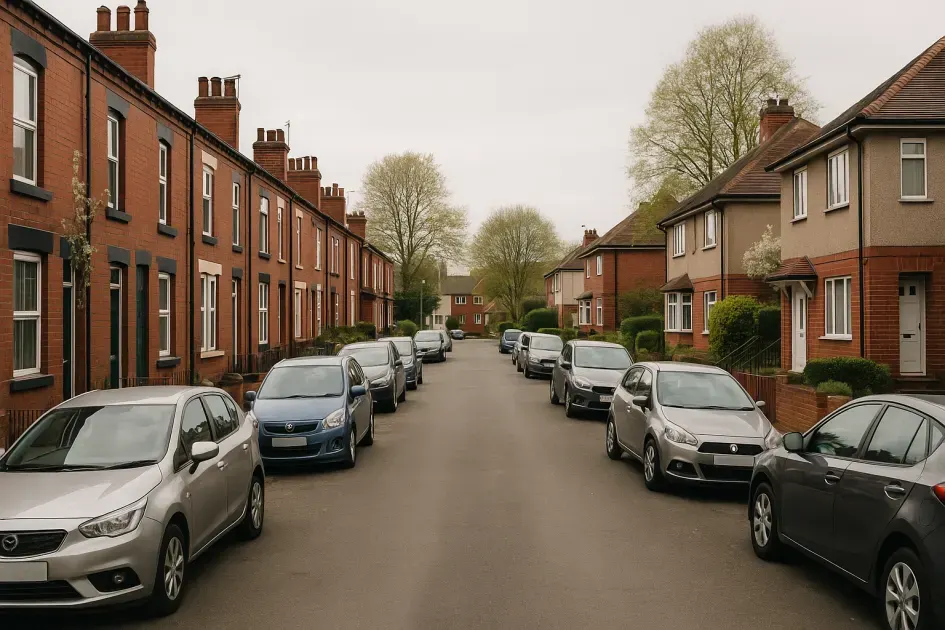
Best time to move in East Leeds

When moving is easiest in East Leeds

East Leeds has a mix of housing — Victorian terraces, mid-century semi-detached homes, high-rise and low-rise flats around Seacroft, and modern new-build estates near Cross Gates and Colton — and that variety determines the moments when moves run most smoothly. The least friction usually appears on mid-week days outside commuter peaks (roughly 10:00–15:00 Tuesday to Thursday) and during mid-month periods when rental turnover and council relets are lower.

Why mid-week mid-month helps here

Scheduling away from the A64/York Road and A6120 rush hours reduces time spent stuck in traffic when travelling to or from East Leeds. It also reduces competition for kerbspace on narrow streets in Gipton and the loading bays at Cross Gates shopping parade, meaning shorter loading times and fewer delays booking lifts in Seacroft tower blocks.

removals in East Leeds is the main move page for checking availability, pricing and booking details.

For a broader regional view, see Leeds moving timing guide.

Timing decisions are usually easier when you this page with moving guide for East Leeds and packing advice for moving in East Leeds.

When moving is hardest in East Leeds

Moves become most difficult at end-of-month, during school-holiday peaks, and on weekday rush hours. End-of-month spikes create high demand for vehicles and loading bays across East Leeds, forcing longer waits, extra labour hours for extended loading windows, and sometimes higher fees to secure the time slot you need.

End-of-month and rental cycle effects

Many private tenancies and council lettings in East Leeds turn over around the first or last day of the month. That concentrates removals around those dates — expect busier lifts in Seacroft blocks, more vehicles queued for narrow terraced streets in Gipton, and longer overall job durations because crews must service multiple nearby moves on the same day.

Weekday versus weekend in practical terms

Weekends can feel quieter on local roads but are not always better operationally. Saturday demand often rises as families prefer weekend moves, so crews and parking space can be in short supply. On weekdays, avoiding the morning and evening commuter windows near the A64 and A6120 saves travel time and reduces the risk of delays caused by trunk-road congestion.

Local access constraints that affect timing

Victorian terraces around Gipton and some streets in Seacroft have narrow frontages and no off-street parking, increasing carry distance from vehicle to property and stretching loading times. High-rise blocks may have lifts that building managers require to be reserved for specific windows, and newer cul-de-sacs around Colton and Manston can present tight turning circles that slow the loading vehicle. Each of these factors adds real staff hours and therefore cost, so timing moves to when multiple access constraints are least likely to collide — for example, midweek mid-month with a pre-booked lift slot — reduces operational friction.

Traffic and congestion patterns in East Leeds

The A64 (York Road) and the A6120 outer ring are the main arteries feeding East Leeds. Morning and evening commuter peaks (roughly 07:00–09:30 and 16:00–18:30) commonly slow movements into and out of the area. Local pinch points include Cross Gates roundabout and the approach roads to Seacroft shopping centre; these are busiest during school runs and retail peak times, extending loading windows if arrival times coincide with those peaks.

Seasonal considerations that change timing and cost

Summer (late July–August) is the busiest season because school holidays and family moves stack up, pushing up availability and prices. Autumn and winter bring more frequent rain and occasional snow — in East Leeds that means extra covering and longer loading times, particularly where properties have exposed garden paths or estate footways. Bank holidays concentrate demand ahead of and after the long weekend, so moving on the weekday following a bank holiday often faces higher demand and reduced crew availability.

Real-world implications for planning

Because East Leeds combines narrow terraced streets, tower-block lifts and arterial road congestion, timing affects more than convenience: it alters labour hours, potential parking permit needs, lift booking requirements and fuel/time spent in traffic. Avoid end-of-month dates if possible, book lift slots in advance for Seacroft and similar blocks, and plan vehicle arrival to miss the A64/A6120 rush hours. For more on local property types and access constraints see removals in East Leeds, and for broader timing principles across Leeds consult the Leeds moving timing guide. Practical packing notes that reduce on-site time are available at packing advice for moving in East Leeds.


East Leeds moving Q&A

Short answers to common timing questions for removals across East Leeds, including parking, school holiday impacts and weather considerations.

Weekdays outside rush-hour are usually faster in East Leeds. The A64/York Road and the A6120 ring road carry heavy commuter traffic 07:00–09:30 and 16:00–18:30; moving midweek between 10:00 and 15:00 often avoids these peaks and local school drop-off/pick-up zones near primary schools in Seacroft and Cross Gates.

Yes. Many tenancy agreements and social housing relets in East Leeds align with the start or end of the month, creating concentrated demand on the last weekday of the month and the first few days after. That leads to fewer available crews and longer turnaround times for loading bays, increasing cost and scheduling difficulty.

School holidays, especially late July–August, are peak periods for family moves in East Leeds. Traffic near schools is lighter during term breaks but overall demand for removals rises sharply, so booking earlier in the summer or shifting to early autumn reduces competition and potential premium pricing.

Yes. Many terraces in Gipton and older parts of Seacroft have no drives and narrow pavements, causing longer carry distances and extra labour time. Cross Gates and newer estates around Colton have limited loading bays and cul-de-sacs where a vehicle must be double-parked or a permit obtained—both add to loading time and potential parking fines if not planned.

Autumn and winter bring persistent rain and occasional snow that slows loading and increases protective wrapping needs for furniture—common in East Leeds where some properties sit on exposed estates. Shorter daylight hours also restrict safe loading windows for moves involving long carry distances from parked vehicles.

As soon as the date is fixed. Late timing decisions are one of the easiest ways to invite avoidable friction into the move.