
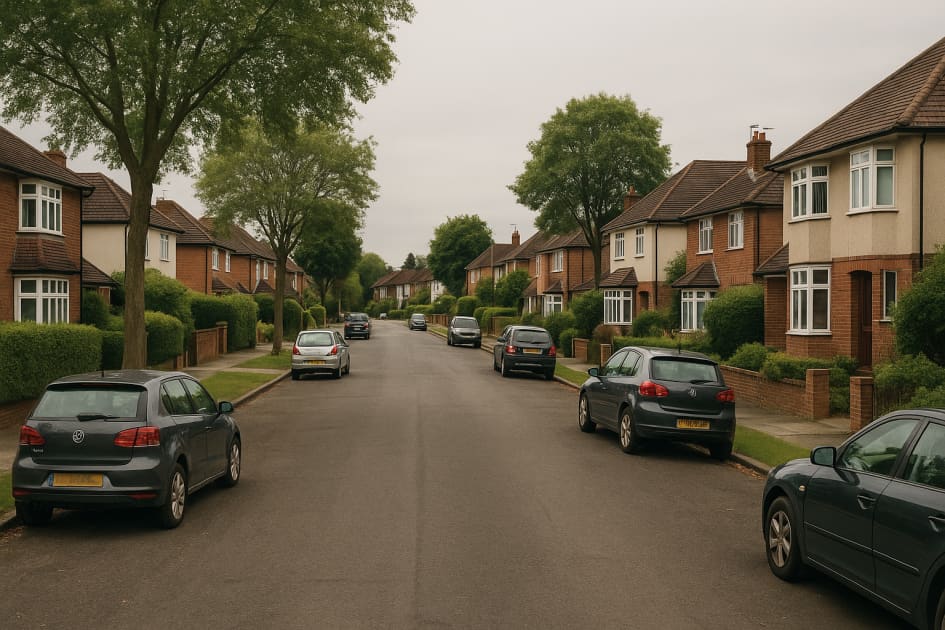
How removals conditions vary across Guildford
Guildford removals vary with town-centre access, suburban street layout, and rural approach roads. The practical differences are usually parking proximity, turning space, property type, and how easily large items can be moved from door to vehicle.
Ready to set dates or scope? See the commercial overview here: Guildford removals.
Neighbourhood access patterns
Town-centre and near-station streets can have timed loading, suspended bays, or pedestrian-priority periods. Suburban cul-de-sacs may allow short on-drive loading but require careful positioning to keep roads clear. Rural edges toward Cranleigh or Dorking can bring weight limits, tight bends and narrow lanes that shape vehicle choice and approach routes.
Property and loading differences
Flats often hinge on lift booking and lobby protection, while terraced homes depend on close kerb access to avoid long carries. Detached properties may allow larger vehicles but still need door-width checks and floor protection. Where access is tight, a shuttle plan from a larger vehicle to a smaller one can prevent delays.
How to plan for different move types
For apartments, confirm lift dimensions, booking windows and bay reservations early. For terraces, prioritise parking distance to reduce carry time and stage loading from the closest room first. For rural locations, pre-check turning circles and low branches, and agree a safe rendezvous for guidance if navigation is tricky.
City-wide baseline: where time is lost
Common time sinks include late permit approvals, unclear building rules, underestimating carry distance, unprotected hallways requiring extra care, and peak-hour traffic affecting first-load arrival. Tackling these in advance preserves schedule and reduces re-handling.
Eight local variables that change removals planning
1) Town-centre loading windows
Timed access and busy pedestrian areas require precise arrival slots and clear bay information.
2) Parking distance from door
Every extra metre increases carry time; confirm legal, safe parking as close as possible.
3) Stair count and lift access
Lift bookings and stair width govern crew flow, padding needs and safe handling techniques.
4) Vehicle size restrictions
Narrow rural lanes toward Cranleigh or Dorking may require smaller vehicles or shuttles.
5) Estate and building rules
Newer managed developments may set loading windows, insurance requirements and floor protection standards.
6) Gradients and driveways
Steep or uneven approaches slow handling and can limit where vehicles are positioned.
7) Peak travel patterns
School-run and commuter traffic affects first-trip arrival and final offload windows.
8) Item complexity
Pianos, range cookers and large wardrobes can need extra crew, protection and lift-clearance checks.
Practical planning checklist
- Confirm parking or bay suspensions and share exact distances from door to vehicle.
- Book lifts and note dimensions; reserve loading windows with building management.
- Measure key furniture and doorways; plan dismantling where needed.
- Stage rooms for fast exit routes and protect floors, banisters and lifts.
- Choose arrival time to avoid peak congestion and school-run pinch points.
Scenario examples
Example 1: A second-floor flat with a 1-hour lift slot needs early arrival, padded lobby protection and a pre-staged load order to clear bulky items first.
Example 2: A terrace with no driveway requires a bay suspension opposite the property, plus dollies and ramps to reduce carry time across the pavement.
Example 3: A rural cottage near Cranleigh needs a smaller vehicle due to tight bends; a shuttle plan from a larger truck at a safe rendezvous keeps the schedule stable.
Apply neighbourhood context
Use local support to shape your plan, especially for tight streets, rural approaches and property-specific rules: