Property challenges for removals in West Edinburgh

How West Edinburgh’s buildings and streets create real removal challenges

West Edinburgh covers a mix of dense inner-city streets near Haymarket and quieter suburban pockets toward Murrayfield and Corstorphine. Those contrasts produce specific, physical challenges for full house, flat and office moves — not theoretical issues, but everyday operational friction that affects manpower, vehicle choice, timing and cost.

When you need the main move page rather than property detail alone, start with removals in West Edinburgh and use access and property guide for Edinburgh for the broader regional picture.

Terraced housing and tenement characteristics

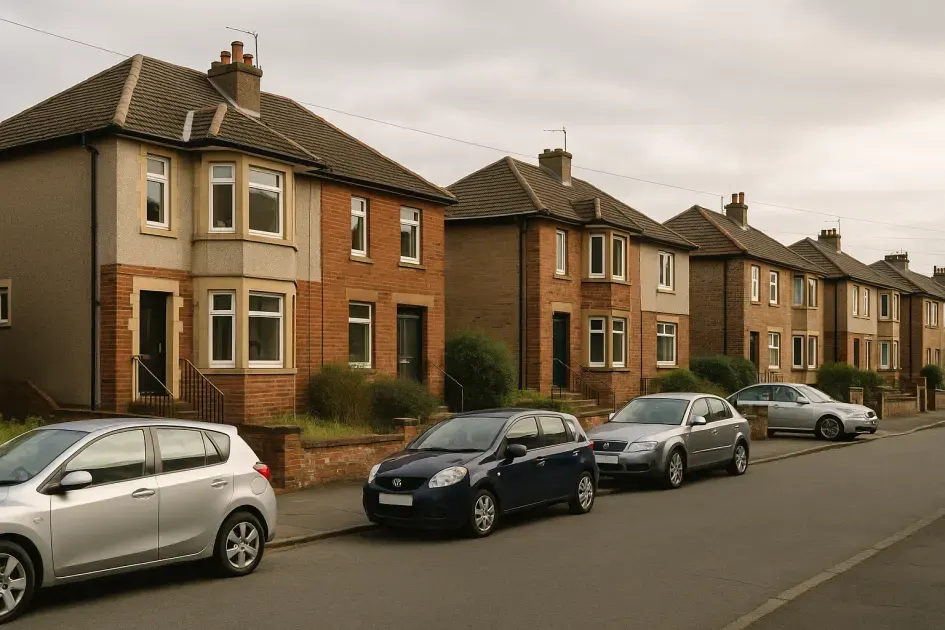
Many properties in West Edinburgh are Victorian terraces and traditional tenement flats. Typical constraints include narrow pavements, raised front steps, small vestibules and long stone staircases. These features increase carry distance and the number of stair carries per item. For example, a three-bedroom terrace with a basement storage area frequently requires multiple vertical carries and repeats of the same lift-and-turn manoeuvres, which can add one to several hours compared with a ground-floor handover. Heavy items are often dismantled on site to get them through doorways or around tight turns, which requires additional labour time and tools.

You will often need to consider For the problems that tend to appear with awkward access, look at moving guide for West Edinburgh and hidden moving costs in West Edinburgh too. at the same time.

Flats and apartment blocks: lifts, corridors and communal access

Converted tenements and purpose-built apartment blocks in West Edinburgh present different problems. Older conversions often lack goods lifts or have passenger lifts with low capacity and small internal clearances. Newer blocks sometimes have lifts large enough for furniture but sit behind narrow communal corridors or security doors that need pre-authorised access. Both situations increase loading time: lifts can require scheduling around residents and concierge hours, while security doors and locked parking courts may demand pre-arranged access permits. Always verify lift dimensions and whether the building management enforces moving-time windows.

Narrow roads, one-way systems and parking limitations

Haymarket, the West End and surrounding streets are constrained by tram stops, bus lanes and one-way systems. These factors reduce legal kerbside space for removal vehicles. In many streets the nearest lawful stopping point is 10–50 metres from the property; that distance translates directly into extra carries and time. Controlled Parking Zones (CPZ) and resident-only bays are widespread across West Edinburgh, so without a temporary loading suspension a removal vehicle may have to stop further away, add walking distance and potentially incur penalties. If a move needs a larger vehicle, drivers must plan routes that avoid low bridges, tight turns and tram islands.

Suburban sectors versus dense inner-West layouts

In the suburban edges of West Edinburgh (parts of Murrayfield and Corstorphine) properties often have driveways, off-street parking and wider streets — this reduces carry distances and allows larger vehicles to park close to the front door. By contrast, denser pockets nearer Haymarket and Dalry have terraced rows and limited kerb space. That difference changes the operational profile: suburban moves typically take less on-street manoeuvring time but can still require additional parking permits for multiple vehicles, while central moves face higher loading friction from restricted stopping and pedestrian traffic.

New-build developments versus older stock

New-builds in the west of the city frequently bring gated courtyards, underground parking and concierge-controlled entrances. These features can be convenient if access is properly booked, but they introduce procedural friction: vehicle length limits for access lanes, lockable barriers that require temporary codes, and communal rules that restrict moving hours. Older buildings present the opposite set of problems — uneven steps, tight staircases and fragile cornices increase the risk profile and slow crews down. Both property types can add unexpected time; new builds tend to require administrative planning, older stock more physical handling time.

Operational friction: carry distances, loading times and restrictions

Every extra 10–20 metres of carry, each set of stairs and each security gate multiplies man-hours and the chance of delay. Real-world implications include: longer booking windows to allow for extra carries, higher labour costs when additional crew members are needed for stair carries, possible disassembly/reassembly time for large items, and fees for temporary parking suspensions or for booking building access slots. Moves that cannot legally stop outside the property during busy times may also require off-peak scheduling to avoid traffic and pedestrian congestion.

What this means for time, cost and planning

In practical terms, a move in a dense West Edinburgh street can take several hours longer than a similar-sized move in a suburban cul-de-sac. Costs increase both from extra crew hours and from operational needs such as temporary loading bay suspensions, lift bookings or specialist handling for awkward staircases. Effective planning includes measuring doorways and lifts, confirming parking and access permissions with the local council or building management, and allocating contingency time on the moving day for unexpected tight manoeuvres.

Practical next steps tailored to West Edinburgh

  • Measure communal stair widths and lift interiors in converted tenements and record whether doors open inward or outward — these small details determine whether large items will need dismantling.
  • Check for Controlled Parking Zones, pay-and-display bays and residents’ permit areas in your street; arrange temporary loading suspensions early to avoid parking shortfalls on the day.
  • For moves near Haymarket and the West End, account for tram stops, bus lanes and rush-hour restrictions when planning arrival and departure windows.
  • If moving into a gated or concierge-managed new build, request access codes, lift bookings and moving windows from management well in advance to avoid on-the-day delays.

For more on access specifics across Edinburgh, see the general guidance at access and property guide for Edinburgh. For practical checklists specific to West Edinburgh moves, refer to moving guide for West Edinburgh and the area overview at removals in West Edinburgh.


Frequently asked questions about moving in West Edinburgh

Answers to common practical questions about property-specific access, parking, stairs and timing when arranging a full house or office removal in West Edinburgh.

Victorian terraces and tenements around areas such as Haymarket, Gorgie and parts of Corstorphine often have narrow pavements, gate steps and long stair flights. This creates additional carry distance and frequent stair carries, which commonly add one to three hours to a typical move depending on property size and the number of heavy items.

Confirm lift size and availability, whether the building has a loading bay or concierge, and whether access involves inward-opening doors or tight corners. Many converted tenement flats have either no lift or a very small passenger lift; large sofas and wardrobes often must go down staircases, increasing labour time and risk of damage.

Yes. Haymarket and West End roads are busy, with bus lanes, tram stops and Controlled Parking Zones (CPZ). Temporary loading restrictions and pay-and-display bays are common. Failure to arrange a suspension or legal loading bay can force vehicles to park further away, increasing carry distances and loading time.

New-builds vary. Some suburban developments offer generous turn-in space and allocated parking, but many inner-West courtyard blocks have gated car courts, communal lifts with narrow lobbies or booking windows for moving days. These requirements mean planning for booking lifts or access slots and sometimes hiring lockable plant vehicles for secure short-term storage.

Narrow residential streets and one-way systems around Dalry, Saughton and the West End limit where a 7.5–18 tonne removal vehicle can safely stop. Routes may need to be planned to avoid restricted turns and to find a legal place for loading/unloading, often adding mileage and 20–60 minutes of manoeuvring time on the day.

Yes. Lofts, garages and secondary storage areas spread the inventory across more space, which lengthens the loading phase even when the property looks manageable from the front door.