
Property challenges for removals in South Edinburgh

Understanding South Edinburgh’s property layout and how it affects removals

South Edinburgh combines dense Victorian neighbourhoods with quieter suburban pockets. Physical realities — steep, tree-lined streets, tenement staircases, narrow pavements and modern gated developments — determine the practical work of a removal. The following sections explain how each property type and street layout in South Edinburgh translates into time, cost and planning actions.

When you need the main move page rather than property detail alone, start with removals in South Edinburgh and use access and property guide for Edinburgh for the broader regional picture.

Terraced and Victorian housing: the Marchmont, Bruntsfield and Morningside pattern

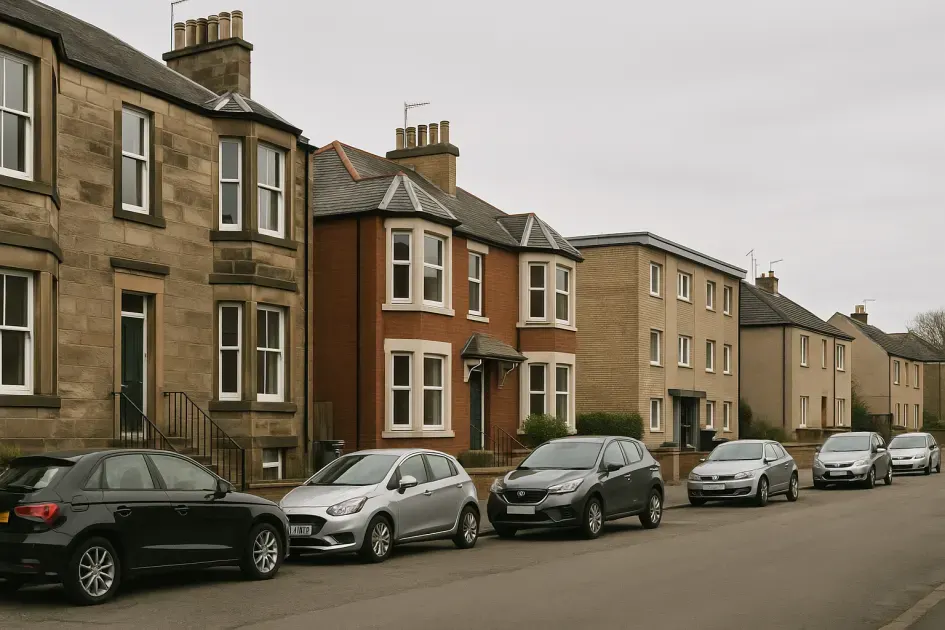
Terraced houses in Marchmont, Bruntsfield and Morningside are typically Victorian sandstone buildings with raised ground floors, small front steps and sometimes narrow basements. These terraces often have short, steep flights of external steps and limited forecourts that prevent direct vehicle access. Real-world implications: larger items commonly need to be carried over steps and along narrow pavements, adding handling time; protective street covers and additional padding are required because rub points are more frequent; and crews may have to make multiple short trips from a parked vehicle around corners, which increases labour hours and therefore cost.

Flats and tenements: Newington and Marchmont staircases, shared lobbies and secure access

Tenement flats in Newington and Marchmont tend to have communal stairwells that are narrow, with limited landing space and low ceilings in some conversions. Upper-floor flats without lifts are common; a top-floor flat in these areas can double or triple carry time compared with a ground-floor move. Conversely, newer apartment blocks in South Edinburgh provide lifts and loading bays but introduce other constraints: controlled access systems, small lift cages and restricted delivery windows enforced by building management. These factors affect scheduling — crews must often coordinate exact arrival times with property managers to avoid delays — and can lead to additional charges for extended waiting or late access.

Narrow roads, parking permits and operational friction

Many streets south of the Meadows and around the University area are narrow and within resident permit zones. Examples include the tight one-way stretches in Marchmont and the restricted parking terraces off Morningside Road. For removals this creates several concrete frictions: large removal vehicles cannot always pull up outside a property, creating longer carry distances that increase manual handling time; on-street loading may require temporary suspensions or parking suspensions from City of Edinburgh Council, which must be applied for ahead of the move and adds administrative lead time; and if a vehicle blocks traffic or a driveway, crews face ticketing and fines, which can add indirect costs and delays.

You will often need to consider For the problems that tend to appear with awkward access, look at moving guide for South Edinburgh and hidden moving costs in South Edinburgh too. at the same time.

Suburban sections vs denser urban pockets — Colinton, Liberton compared with Bruntsfield and Marchmont

South Edinburgh’s suburbs such as Colinton and parts of Liberton have more off-street parking and wider roads, which reduces carry distances and can lower handling time. However, Colinton’s topography includes steep lanes and sometimes long driveways that present different handling challenges: heavy items moved uphill require more manpower and time. In denser pockets like Bruntsfield and Marchmont, though distances to street-side may be short, the narrowness of pavements and presence of kerbs and street furniture increase the time per item and the need for protective equipment. Operational planning must therefore be adjusted to whether the property sits in a suburban gardened plot or a tight urban terrace.

New builds versus older properties: access trade-offs

New-build developments in South Edinburgh often centralise parking in underground or gated courtyards. These give vehicle access but can introduce height restrictions in underground car parks and require permits or booking of loading bays with site management. Older properties provide larger room openings but frequently lack level access, forcing stair carries and careful manoeuvring of bulky items through narrow doorways. The practical outcome is predictable: new builds can be faster if lift and parking access is confirmed, but they can also cause unexpected delays if site rules or lift sizes are overlooked; older properties reliably require extra manual handling time and protective measures which should be factored into the schedule and budget.

What this means for time, cost and planning in South Edinburgh

Every constraint in South Edinburgh converts directly into operational friction. Longer carry distances and extra stair flights add crew-hours; small lifts or complex building access can force manual handling that is slower and risk-prone; and street parking controls add lead time to arrange legal loading. Practically, expect the following if the property lies in a typical South Edinburgh scenario:

  • Additional crew time for top-floor tenement moves and stair-heavy carries — often 30–90 minutes per extra flight when moving bulky items.
  • Possible fees or administrative lead time to secure a temporary loading bay or parking suspension from City of Edinburgh Council — plan several working days in advance.
  • Potential need for smaller shuttle vehicles or more manual runs where streets are too narrow for a large lorry, which increases travel and loading time.
  • Coordination time with building managers in new-build blocks to confirm lift reservations and secure entry codes — lack of coordination commonly causes on-the-day delays.

Practical next steps for a smoother removal in South Edinburgh

Survey the exact street and building type early: note whether the property is a terrace in Morningside, a Newington tenement, a Bruntsfield flat with a small lift, or a Colinton house with a long driveway. Book any required loading bay suspensions in advance via City of Edinburgh Council, confirm lift sizes and access rules with building management, and allow contingency time for stair carries and longer-than-expected loading runs. For more general access considerations across Edinburgh see the access guide and for local planning details visit the South Edinburgh parent page.

Further reading: access and property guide for Edinburgh, removals in South Edinburgh, and the moving guide for South Edinburgh.


Common questions about South Edinburgh property challenges

Short answers to typical practical issues: permits, lifts, carry distances, and how property type affects time and charges in South Edinburgh.

Many streets in South Edinburgh — particularly in Marchmont, Morningside and Bruntsfield — are in resident parking or controlled loading zones. A temporary loading bay or parking suspension from City of Edinburgh Council is often required for larger removal vehicles and can take several working days to arrange; without it, crews face longer carries and potential wardens’ penalties.

Older Newington and Marchmont tenements have narrow, winding staircases and small landings. Each additional flight and narrow turn increases manual handling time and risk, commonly adding an hour or more per flight and sometimes requiring extra staff or specialist evacuation routes that increase overall cost.

Many new-build blocks in South Edinburgh have lifts, but sizes vary. Underground car-park height restrictions and compact lift cages in developments around Morningside or at the edge of the Meadows can force stair carries despite having a lift, which increases handling time and labour.

Narrow, mostly residential streets in Marchmont and parts of Bruntsfield restrict where a removal vehicle can park. That typically increases carry distance from kerb to property, extends loading time, and may mean a smaller vehicle or multiple shuttle trips, all of which raise the move’s duration and cost.

New-builds often have parking courts, short internal corridors and secure access systems that require coordination with site management. Older properties have larger rooms but trickier external steps and narrower doors; on-site constraints change crew size and loading procedures, affecting time and expense.

Yes. Lofts, garages and secondary storage areas spread the inventory across more space, which lengthens the loading phase even when the property looks manageable from the front door.