
Best time to move — South Edinburgh

When is it easiest — and hardest — to move in South Edinburgh?

South Edinburgh's mix of Victorian terraces, tenement flats, leafy semi‑detached streets and pockets of new-build apartments creates very localised moving conditions. Timing your move here affects how long the job takes, whether a large removal vehicle can park nearby, and the likely cost. Below are timing considerations that reflect the real physical constraints of South Edinburgh — not generic checklists.

Weekdays versus weekends — what to expect on the ground

Weekdays outside peak commuter periods (roughly 09:30–15:30) are often the least disruptive for larger moves in South Edinburgh. Main approaches such as Dalkeith Road and Morningside Road see heavy commuter flows between about 07:30–09:30 and 16:30–18:30; a removal vehicle stuck in those queues increases loading time and crew labour costs.

Use South Edinburgh removals service first for the core service page when timing research is only one part of the plan.

In practice, this usually connects with To balance timing with the other factors that shape the day, review moving guide for South Edinburgh and packing advice for moving in South Edinburgh as well..

For a broader regional view, see Edinburgh moving timing guide.

Weekends reduce through-commuting, but the trade-off is different in South Edinburgh: residential streets fill with parked cars on Saturday mornings and afternoons, particularly around shopping hubs like Morningside Road and parts of Marchmont, which pushes the permitted parking for a removal vehicle further from the building and lengthens carry distances. Sunday mornings can be quieter for parking, but council restrictions and business loading bays on surrounding main roads still affect where large vehicles can stop.

End-of-month spikes and rental turnover

Expect the busiest and most expensive times to be the last working days of the month and the first working day after — many private-sector leases and formal tenancies in South Edinburgh roll over on month-ends. That’s compounded by the dense rental market around university areas (Marchmont, Newington): last-week-of-August and early September are especially congested because student tenancy changeovers, estate agent check-outs and lease starts cluster then.

Operationally, you’ll see longer booking lead times, fewer late‑slot options, and crews carrying more boxes across longer distances as parked cars reduce direct van access. If your dates are flexible, choosing mid-month or mid-week typically reduces waiting and labour time.

School holidays, student cycles and how they shape demand

Family moves in South Edinburgh are often scheduled around Scottish school holidays (school summer and Easter breaks). This raises demand for removals in July and early August and again at Easter. Student move-ins/out are concentrated in late August to early September and in June; when university halls and private lets turn over, expect compressed booking windows and peak traffic outside halls of residence and purpose-built student housing.

These cycles have direct operational implications: more hand-carrying through communal staircases in tenements, longer queuing times for lifts in newer blocks, and the need to stage deliveries to avoid blocking narrow streets used for drop-offs by multiple parties at once.

Traffic patterns and access constraints specific to South Edinburgh

South Edinburgh sits between the city centre and the southern suburbs, so arterial routes into the area and the city create predictable choke points. Morning and evening rush hours on the main roads feeding the area regularly delay large vehicles. Bus lanes and tram work (when present elsewhere in the city) can force removal vehicles onto narrower residential streets where parking is limited.

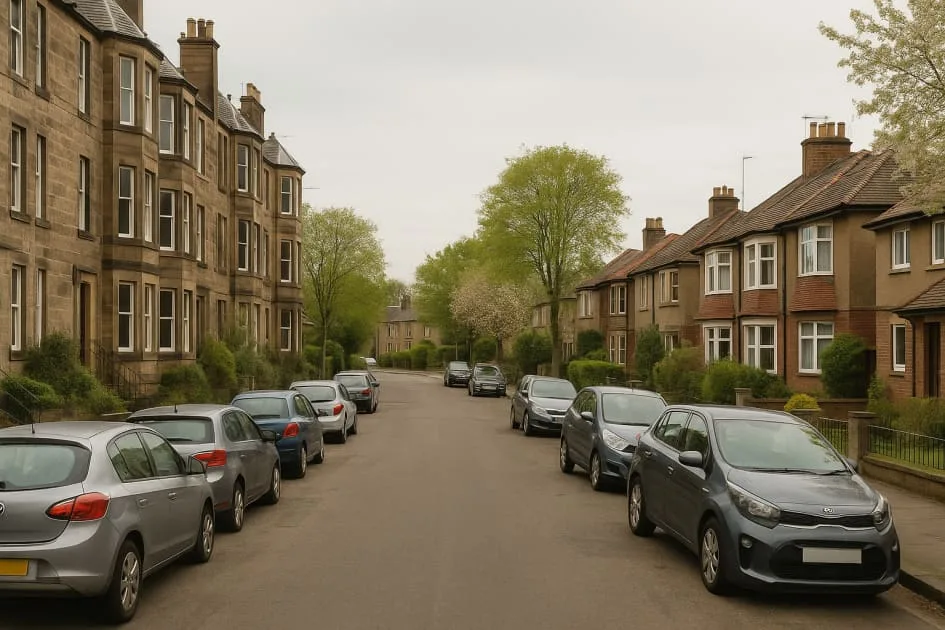
Many streets are narrow or terraced crescents where a removal vehicle cannot pull up directly outside the property. Controlled parking zones and resident permits are common: without an arranged suspension of a parking bay you may be forced to park legally but further away, adding carry time. In quieter Grange or Fairmilehead pockets, semi‑detached properties often have driveways that significantly reduce total handling time compared with tenements in Marchmont or Newington.

Property types and operational friction — what affects loading and time

Tenement flats (Marchmont, Newington): steep stone staircases and narrow corridors are typical. No lift equals multiple carry trips and slower loading, less ability to use large furniture trolleys — all of which increase labour hours.

Terraced houses (Morningside terraces): front steps and narrow pavements can complicate placing a trolley close to the door; parking is often restricted to single lines. Semi‑detached homes in the southern fringes more frequently have off‑street parking, which shortens carry distances and lowers handling time.

New builds and modern apartment blocks: while some have lifts and designated loading bays, others have restricted service access or only allow deliveries during specific hours — check building management rules in advance. A single lift with scheduled service times can add waiting time unless booked in advance.

Weather and seasonal effects with local implications

Scotland’s weather matters here more than in flatter southern cities because South Edinburgh’s hills and stone pavements become operational hazards in cold, wet or icy conditions. Winter ice and compacted snow on steep approaches and stone steps (December–February) slow manual handling, require extra PPE and increase the risk of damage and injury — all of which extend job time and may require an additional crew member.

Heavy rain increases slippage on cobbles and sandstone steps, so protect wooden floors and keep carry routes shorter. High winds on exposed streets can make lifting large furniture hazardous. Summer brings higher demand rather than easier conditions — peak booking times and hotter days can both influence the length of breaks and pace of work.

Real-world planning: time, cost and practical steps

Because South Edinburgh frequently combines narrow access with tenancy peaks, plan for these real outcomes:

  • Book well in advance for end-of-month and August/September student periods to avoid premium pricing and limited slots.
  • Factor longer labour hours for tenement flats with stairs and for moves where on-street parking is restricted; every extra 5–10m of carry distance materially increases handling time.
  • Schedule loading outside commuter rush on main approaches to avoid traffic delays; mid‑week late-morning slots are often the most time‑efficient.
  • Check with building management about lift reservations and permitted delivery times for new-build blocks — a reserved lift window can save waiting time on the day.
  • Allow contingency time in winter for icy pavements and safe manual handling; this protects people and property and prevents costly mid-move stoppages.

For a broader look at how timing affects moves around Edinburgh, see the city-wide timing guide at Edinburgh moving timing guide. For packing-specific considerations that reduce handling time in tenements and long-carry situations, the South Edinburgh packing advice page is useful: packing advice for moving in South Edinburgh. For details about the local area and access characteristics, refer to the parent South Edinburgh removals overview: South Edinburgh removals service.

Bottom line

Making a move in South Edinburgh is easiest when you avoid rush-hour traffic, the last days of the month and student turnover windows, and when you plan for the local building type and access constraints. Real savings in time and cost come from reducing carry distances, booking outside peak demand, and allowing extra time for weather and permit arrangements specific to South Edinburgh streets.


Frequently asked questions about moving in South Edinburgh

Concise answers to common timing, access and weather questions specific to South Edinburgh moves.

Weekdays outside commuter rush (mid-morning to early afternoon) are usually faster for long-distance access and loading on main roads; weekends reduce rush-hour traffic but many residents park on-street and Morningside shopping streets are busier on Saturdays, which can increase carry distances and parking searches.

End-of-month lease turnovers and student term changes (late August/early September and June graduation moves) create sharp demand spikes. Expect limited removal slots and higher cost around the last working days of a month and during university move-in/out windows.

Large vehicles often cannot park on narrow crescents or tenement streets. For kerbside loading close to doors you may need a temporary parking suspension or formal loading arrangement through City of Edinburgh Council; factor time for arranging this into your plan.

South Edinburgh's hills, stone terraces and many tenement flats with several flights of stairs increase carry times. Semi‑detached houses and newer builds with private driveways reduce carry distance; plan extra labour time and packing protection for properties without lifts.

Winter moves are possible but expect longer carry times and delays during icy spells on steep pavements and steps (December–February). If unavoidable, budget extra time for safe loading on sloped streets and potential salt/grit operations.

As soon as the date is fixed. Late timing decisions are one of the easiest ways to invite avoidable friction into the move.